Brief overview of the #ACCESS project developments during the second half of 2024
12 February 2025

The #ACCESS project has made significant strides in the second half of 2024. Here’s an overview of the project’s key achievements and activities.
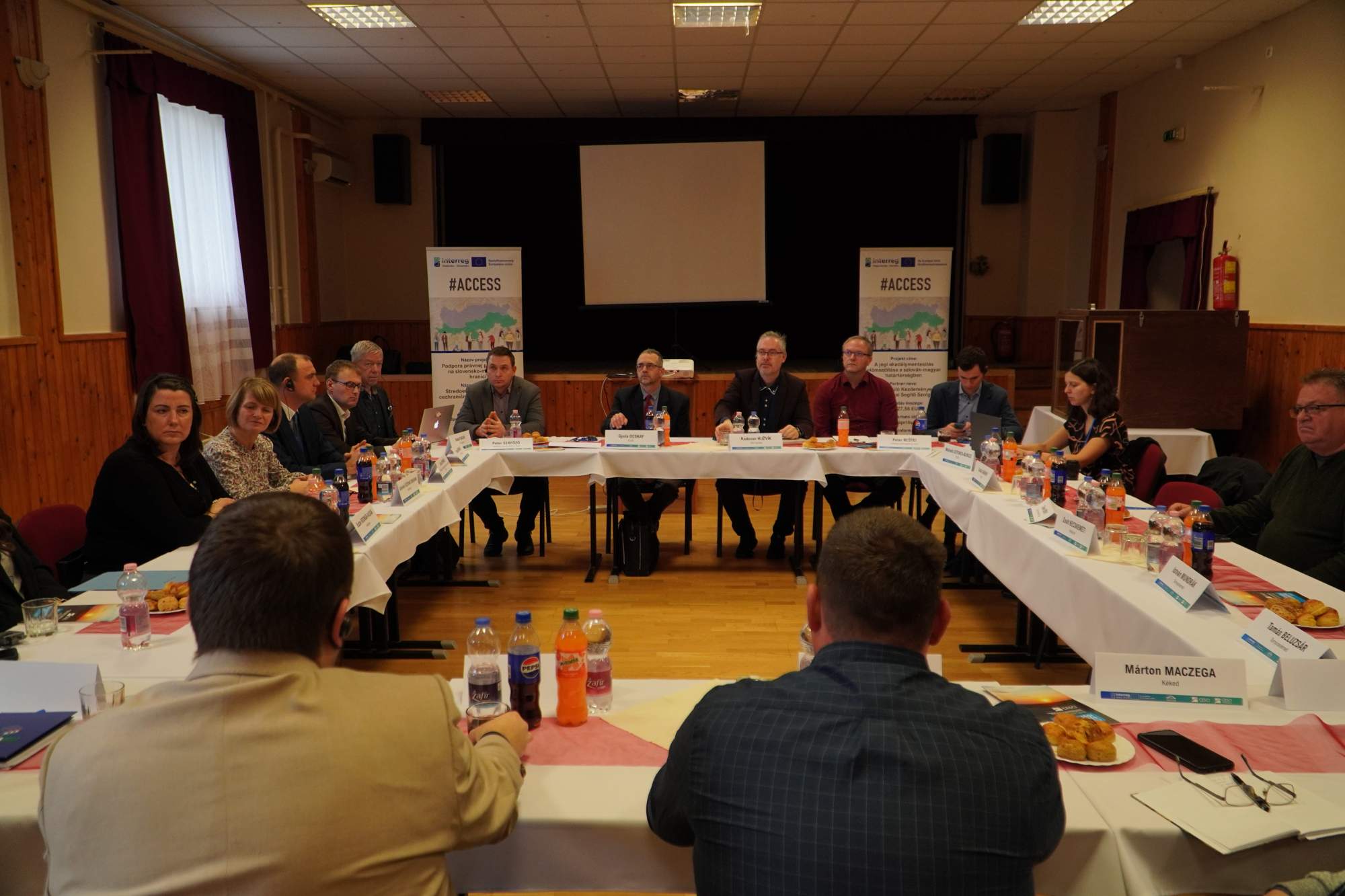
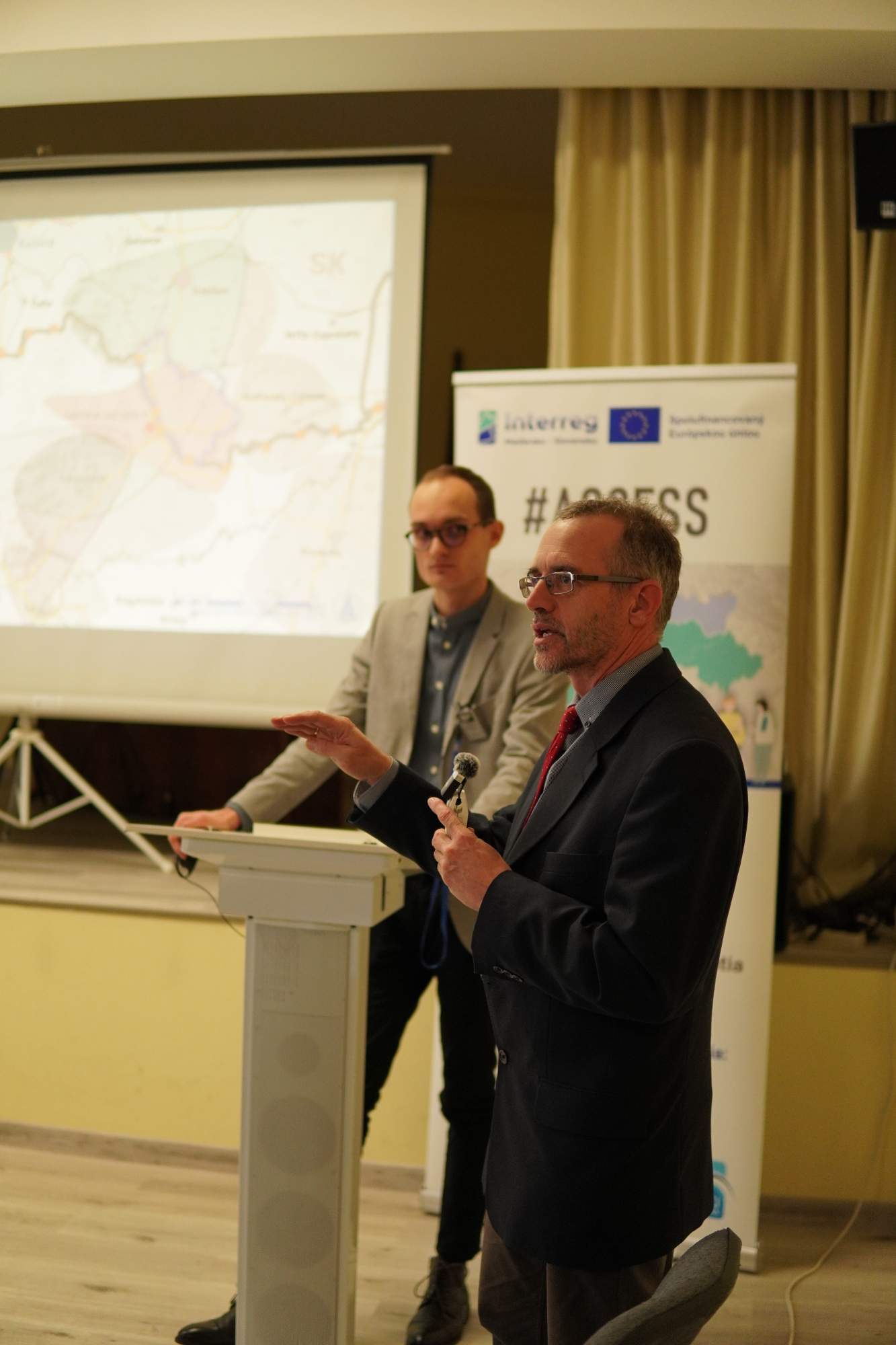
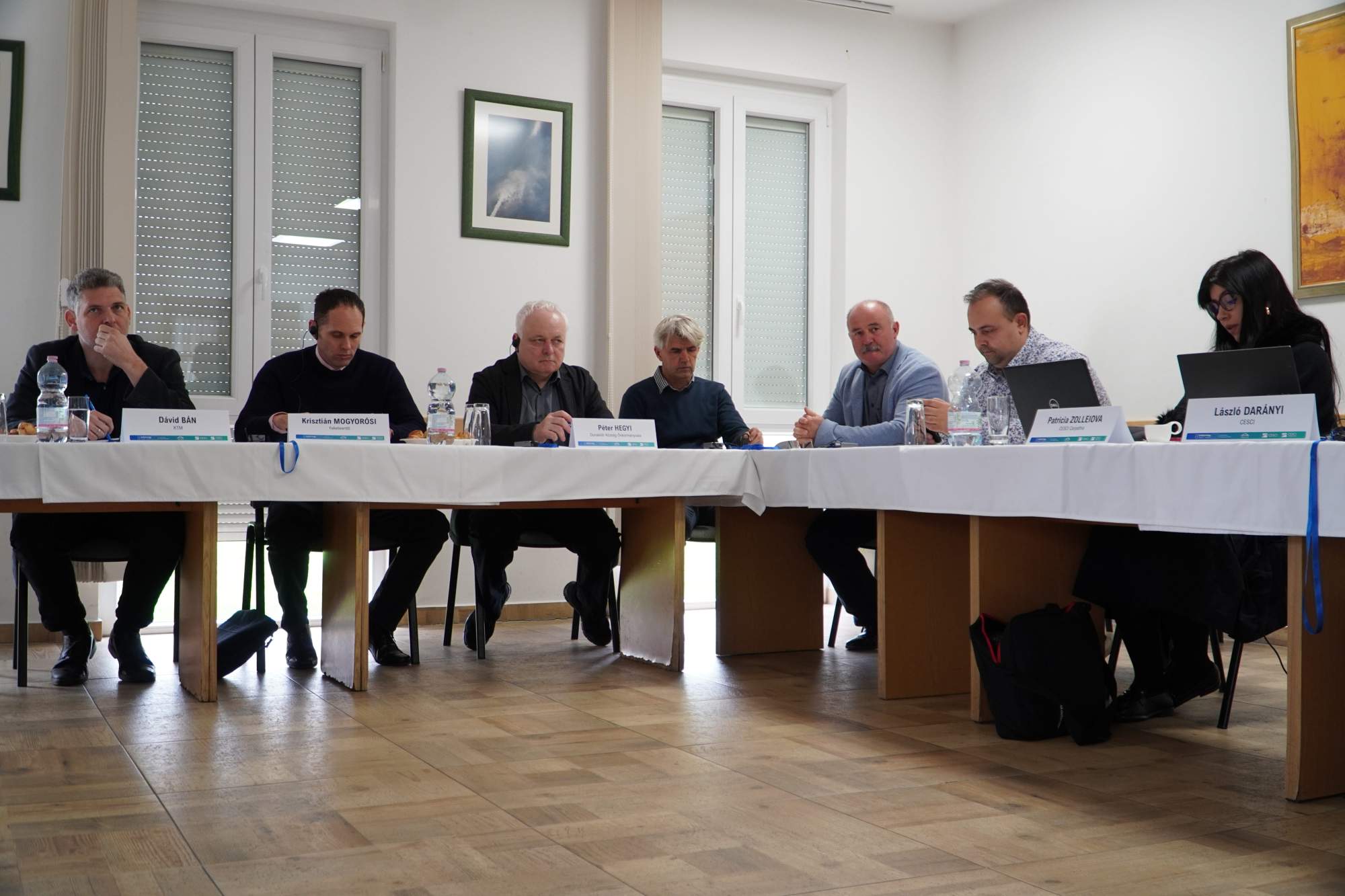
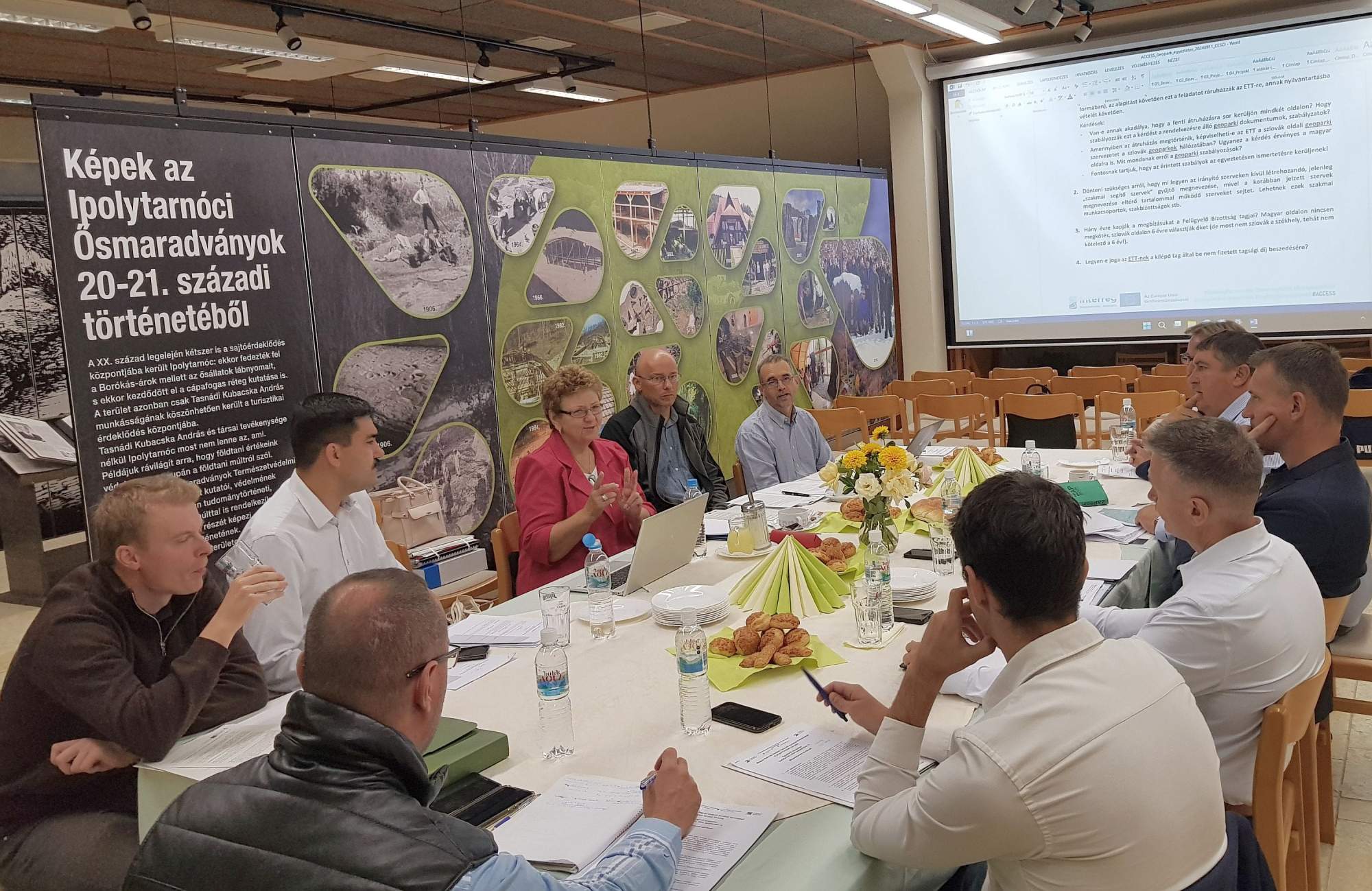
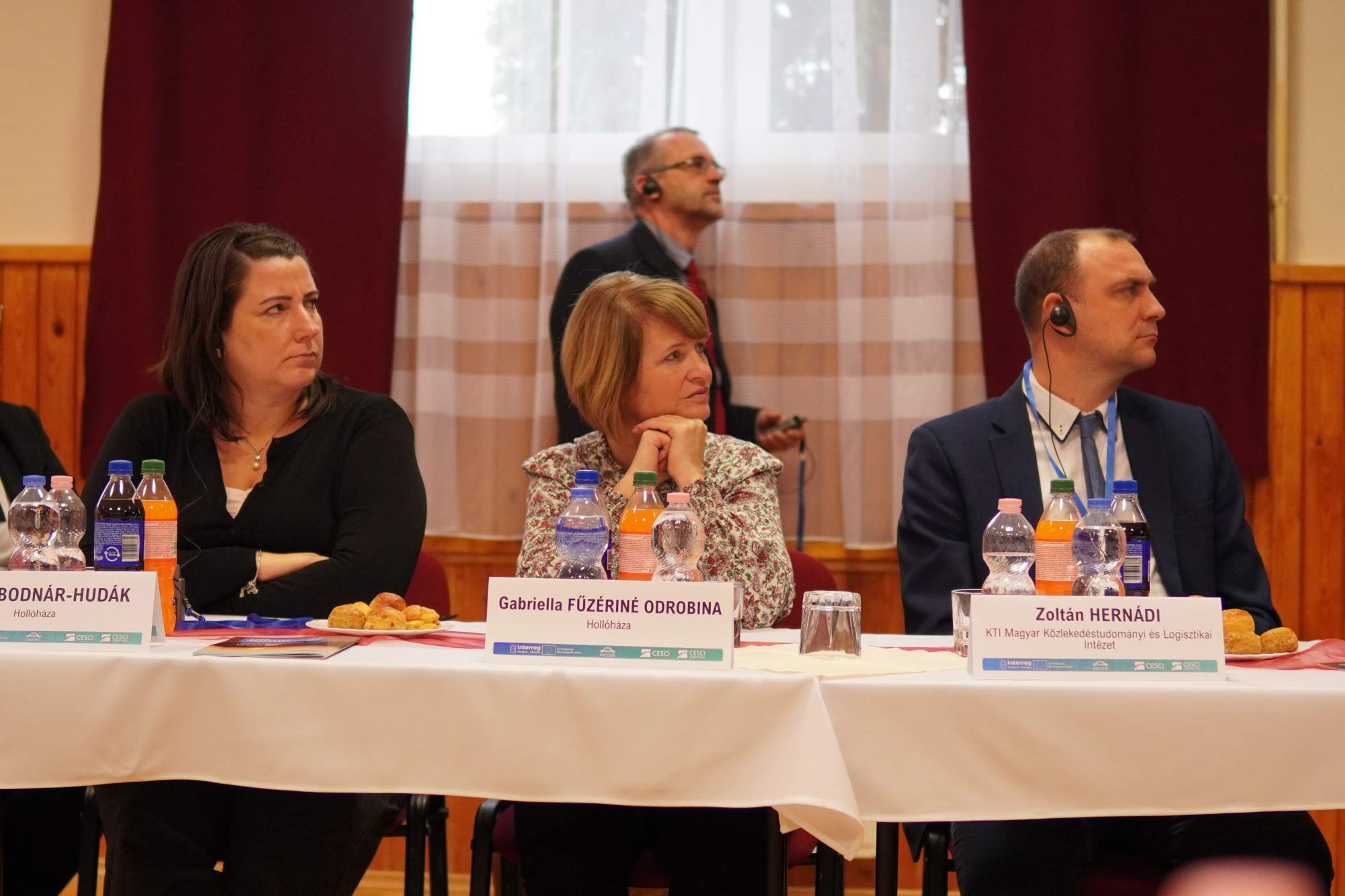
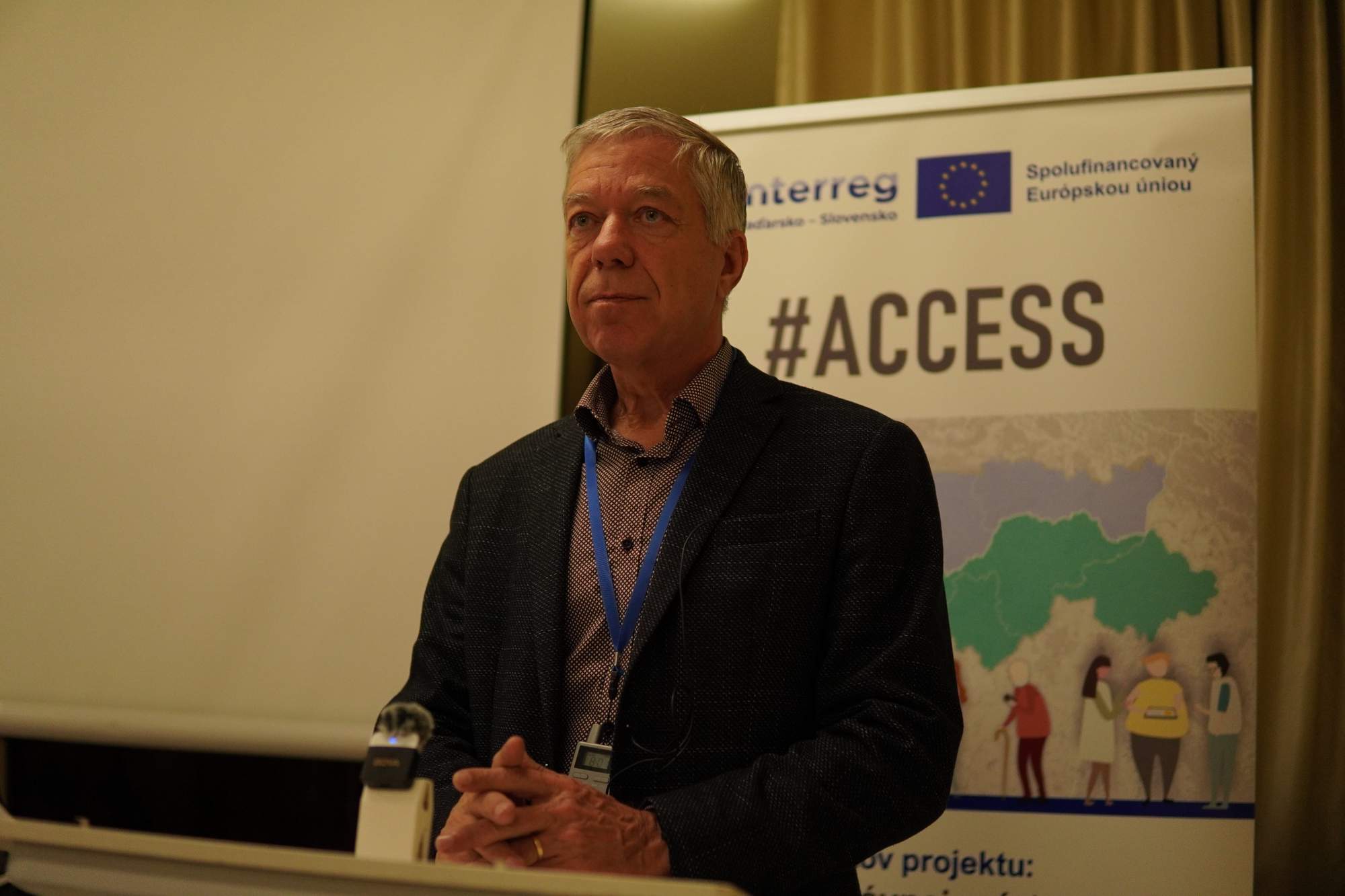
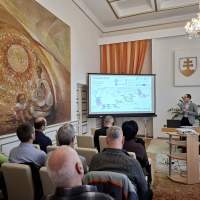
Stakeholder consultation has been a cornerstone of the #ACCESS project. In the second half of 2024, the project partners organised the second round of reference group meetings in various locations, including Ipolytarnóc, Rajka, Kráľovsky Chlmec, and Hidasnémeti. These meetings focused on critical topics such as:
The solution gateway, an essential component of the project, continued to operate. The help desk service, accessible via the project website, remained active, offering expert support and responding promptly to any inquiries. The obstacle database was regularly updated with new cases and expert responses, helping to address issues faced by the cross-border community. Additionally, the project team began gathering European best practices that could be applied to the Hungarian-Slovakian cross-border region, which will be published shortly.
In this reporting period, several significant obstacles were actively managed:
Raising awareness of the #ACCESS project’s goals and progress has been an ongoing effort. A dedicated website and active social media presence (including Facebook and LinkedIn) helped keep stakeholders informed. By the end of 2024, the project’s Facebook page had nearly 5,300 followers.
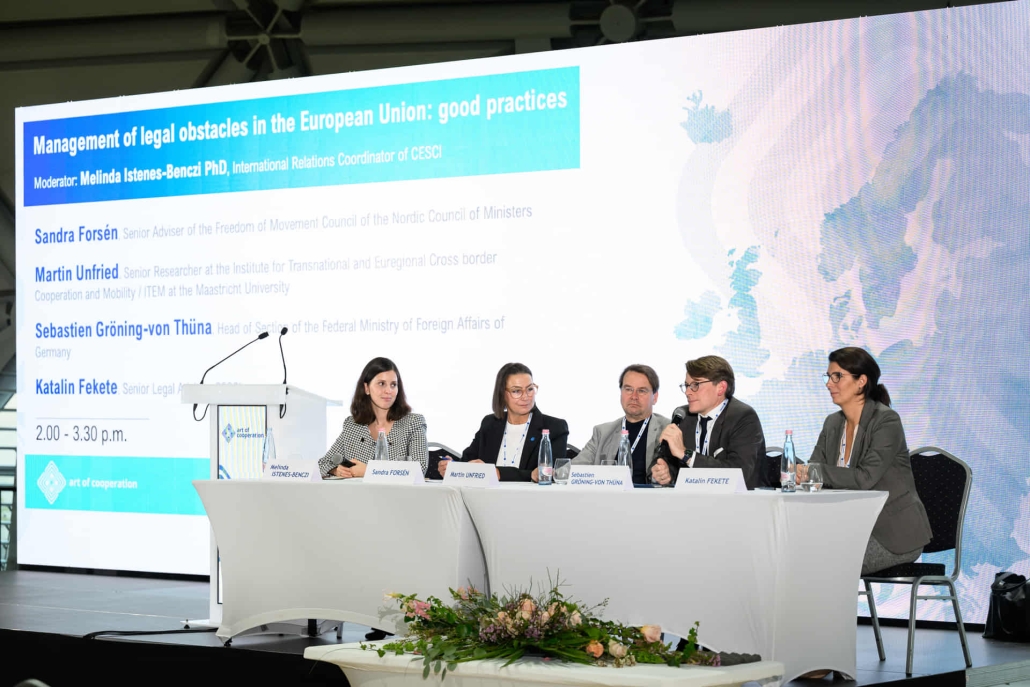
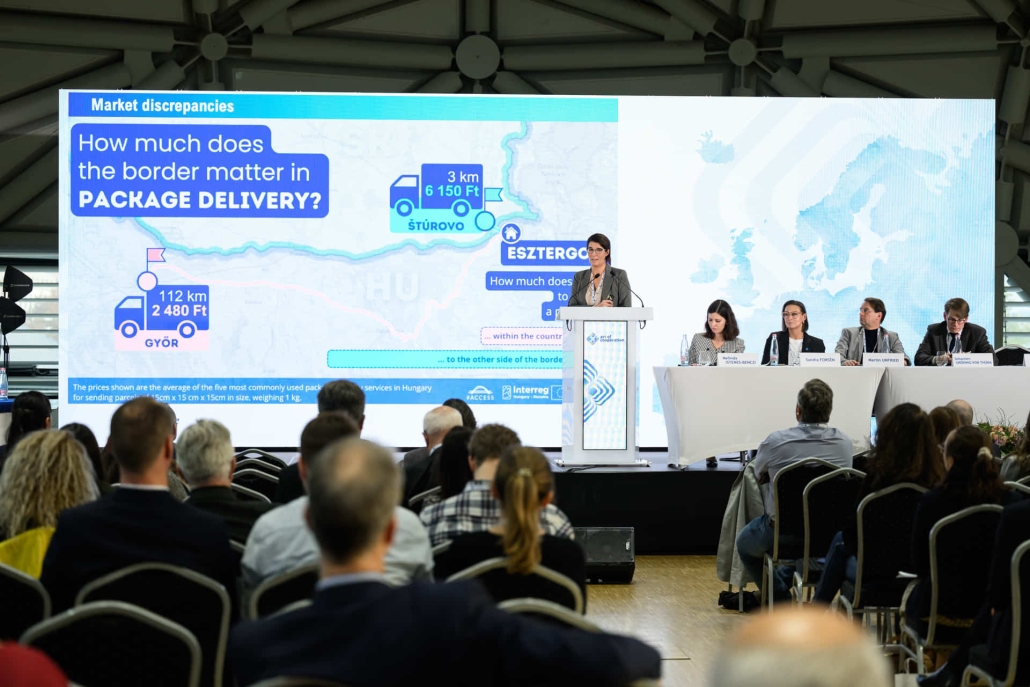
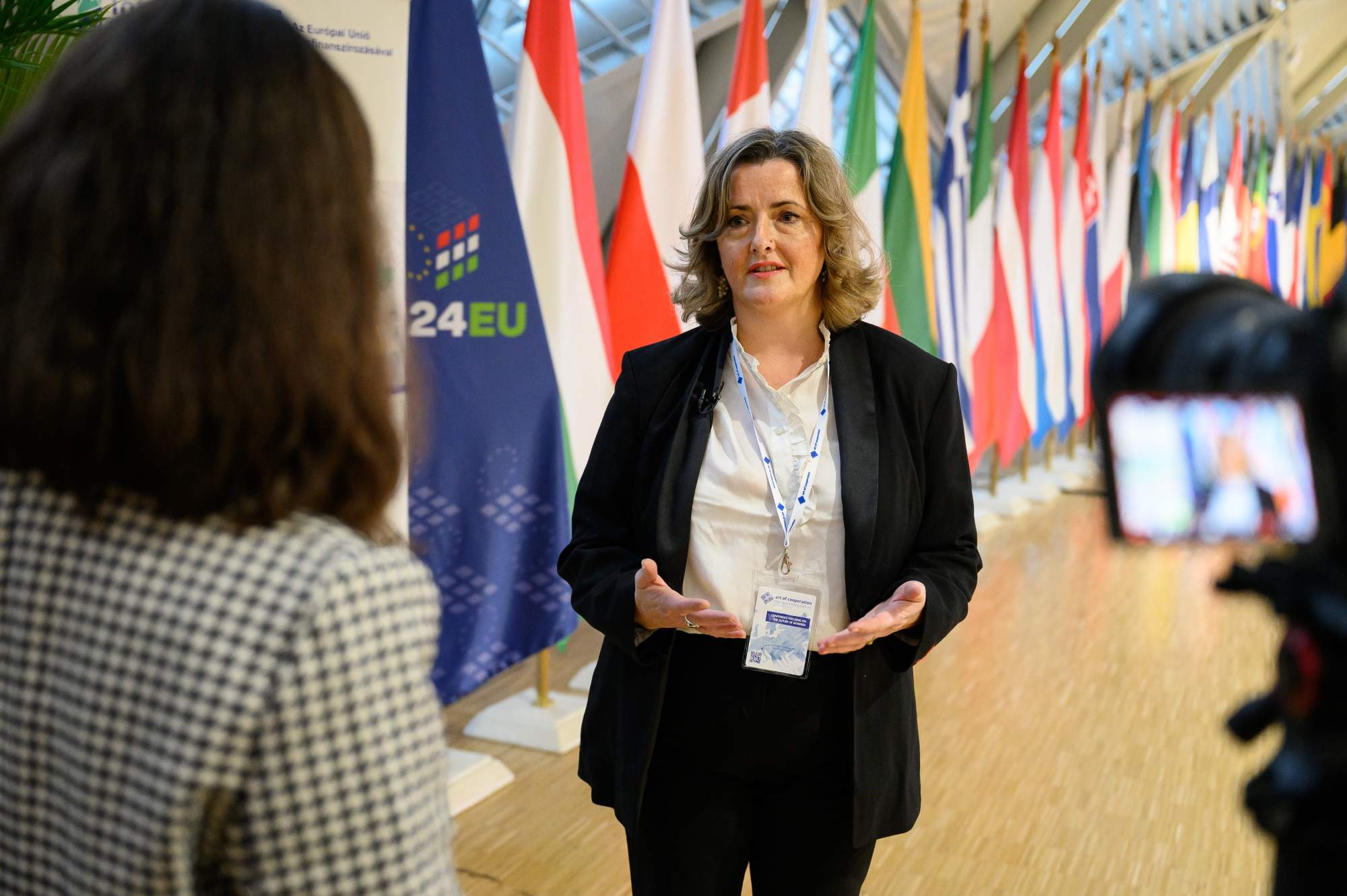
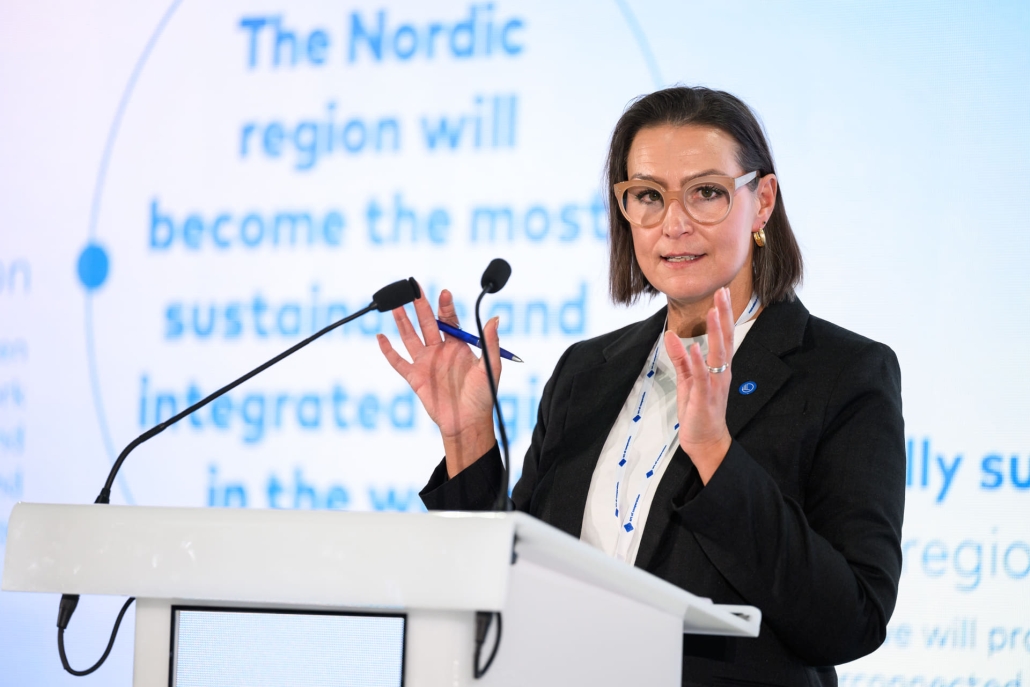
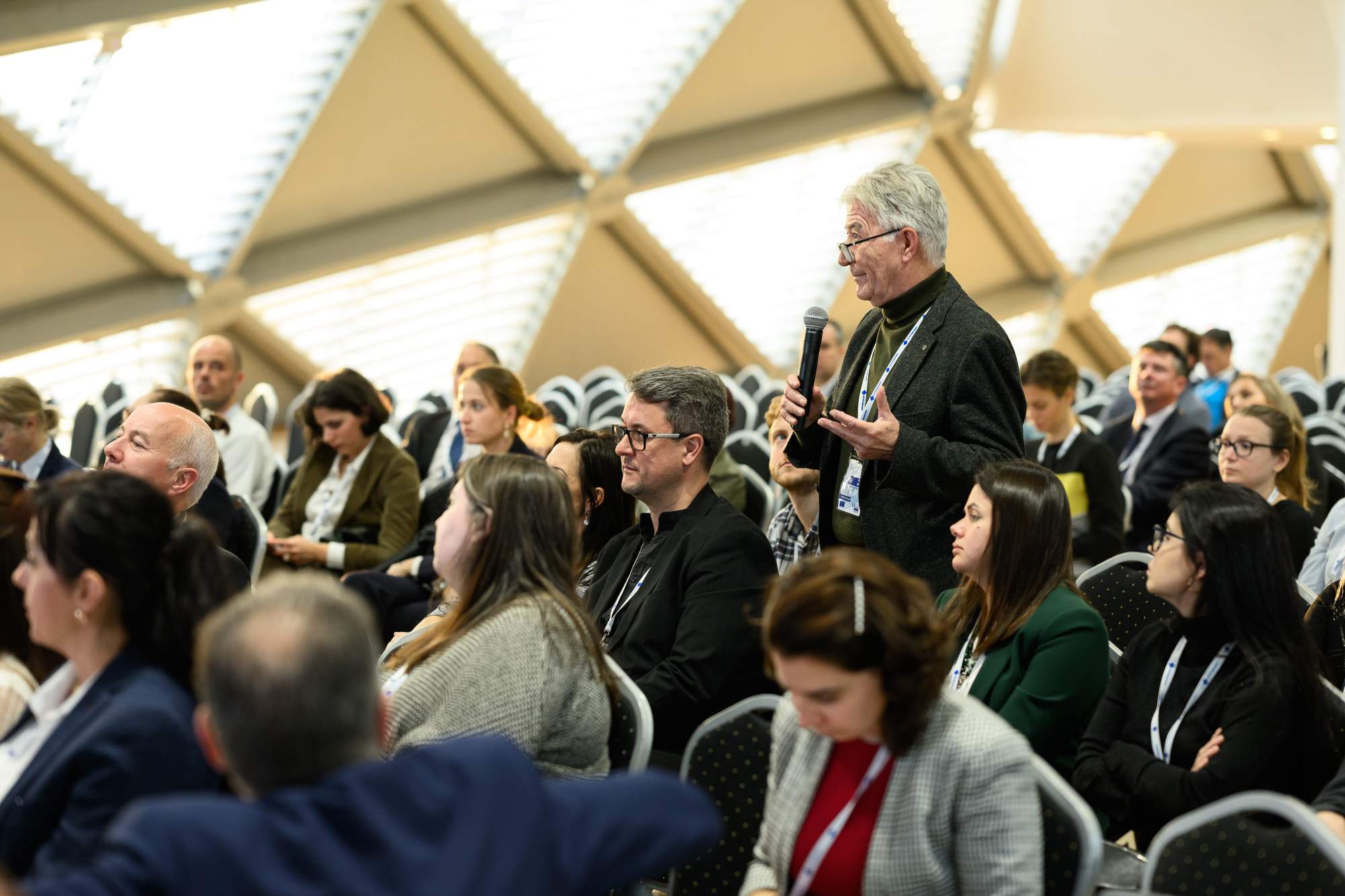
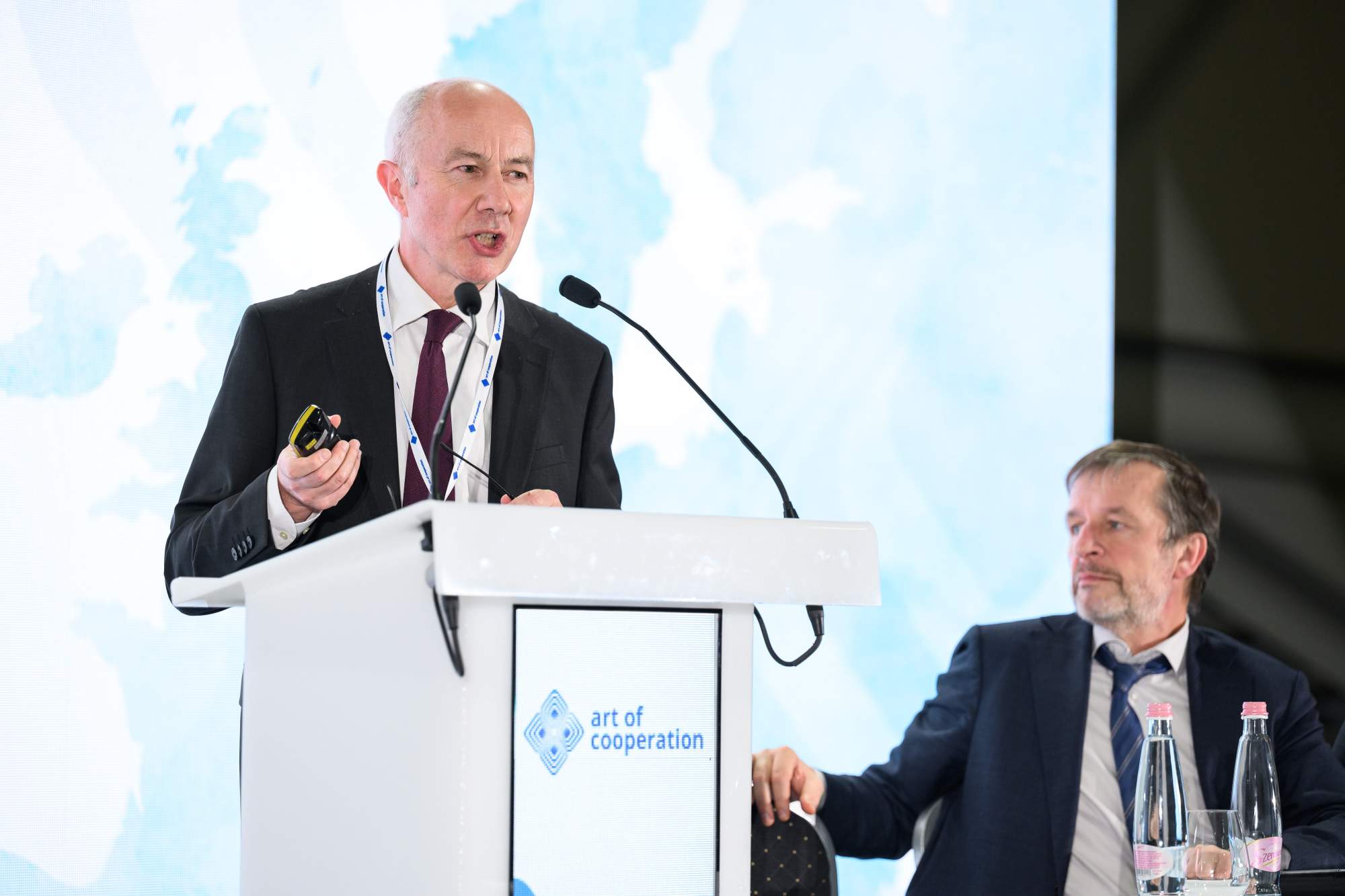
The project was also showcased at significant events, such as the Hungarian EU Presidency’s “Art of Cooperation” event in Budapest. There, the project partners organised two sessions on managing cross-border obstacles, drawing nearly 100 participants and further elevating the project’s visibility within EU initiatives. In addition, a video highlighting the key learning outcomes of an international conference was shared on social media, reaching over 24,000 views.
The project continues with the organisation of the second round of reference group meetings as well as the expert group meetings, which will lead to the finalisation of the selected cases. The case descriptions will also be shared soon on the project website.

The project is financially supported by the European Union,
within the framework of the Interreg Hungary – Slovakia Programme.
For more information visit www.skhu.eu.
The project is financially supported by the European Union,
within the framework of the Interreg Hungary – Slovakia Programme.
For more information visit www.skhu.eu.
 Report on the second meeting of Hungarian-Slovak forest cooperation