Challenges and Opportunities for Cross-Border Cooperation
30 November 2024


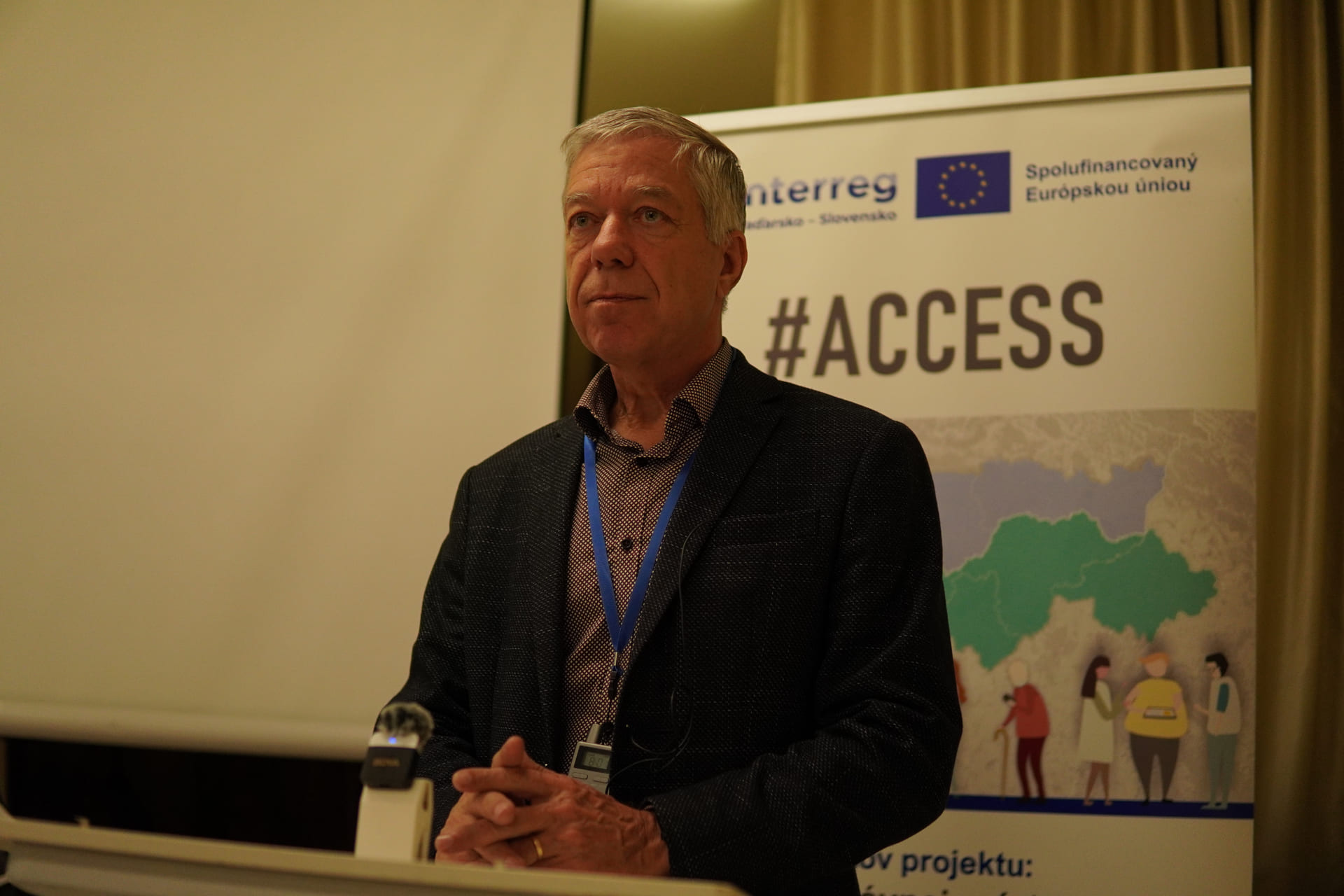
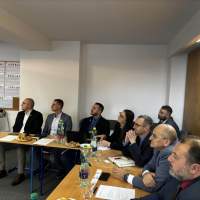
The next reference group meeting in a series of nine events on Slovak-Hungarian cross-border functional areas took place in the town of Kráľovsky Chlmec near the Slovak-Hungarian-Ukrainian border point at the Cultural Center of “Medzibodrožie” and “Použie” regions. The seminar was an activity of the strategic project #ACCESS – Promotion of Legal Accessibility across the Slovak-Hungarian Border, funded by the INTERREG VI-A Hungary-Slovakia programme.
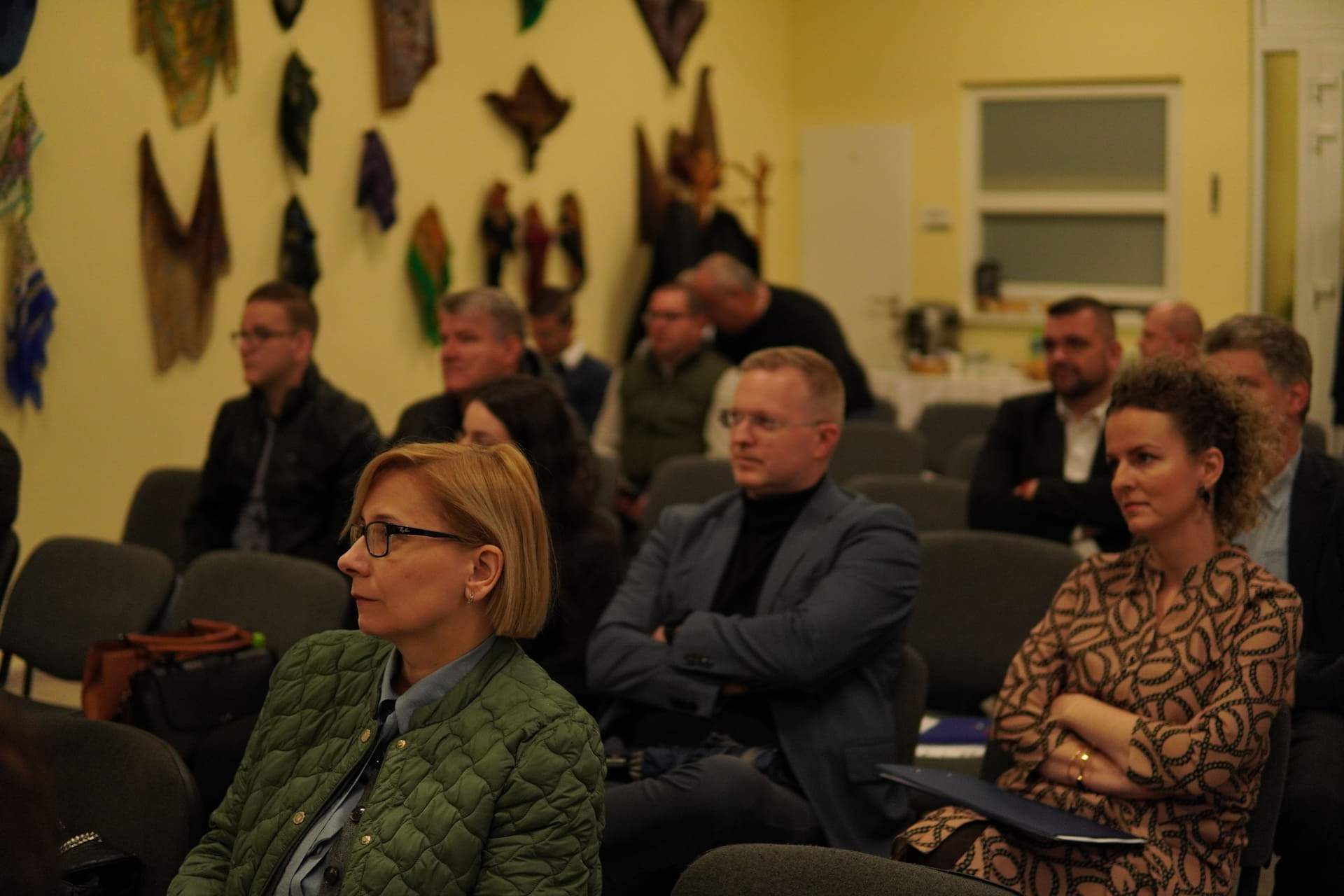
Representatives of all three levels, local, regional, and central, gathered to familiarise themselves with the analysis of the cross-border functional area and discuss the obstacles and barriers to its development. Mayor of the town of Kráľovský Chlmec, Mr. Karol Pataky, who welcomed the participants, emphasised the importance to overcome the obstacles that hinder the valorisation of regional potential and to create conditions that would motivate young people to stay in the region.
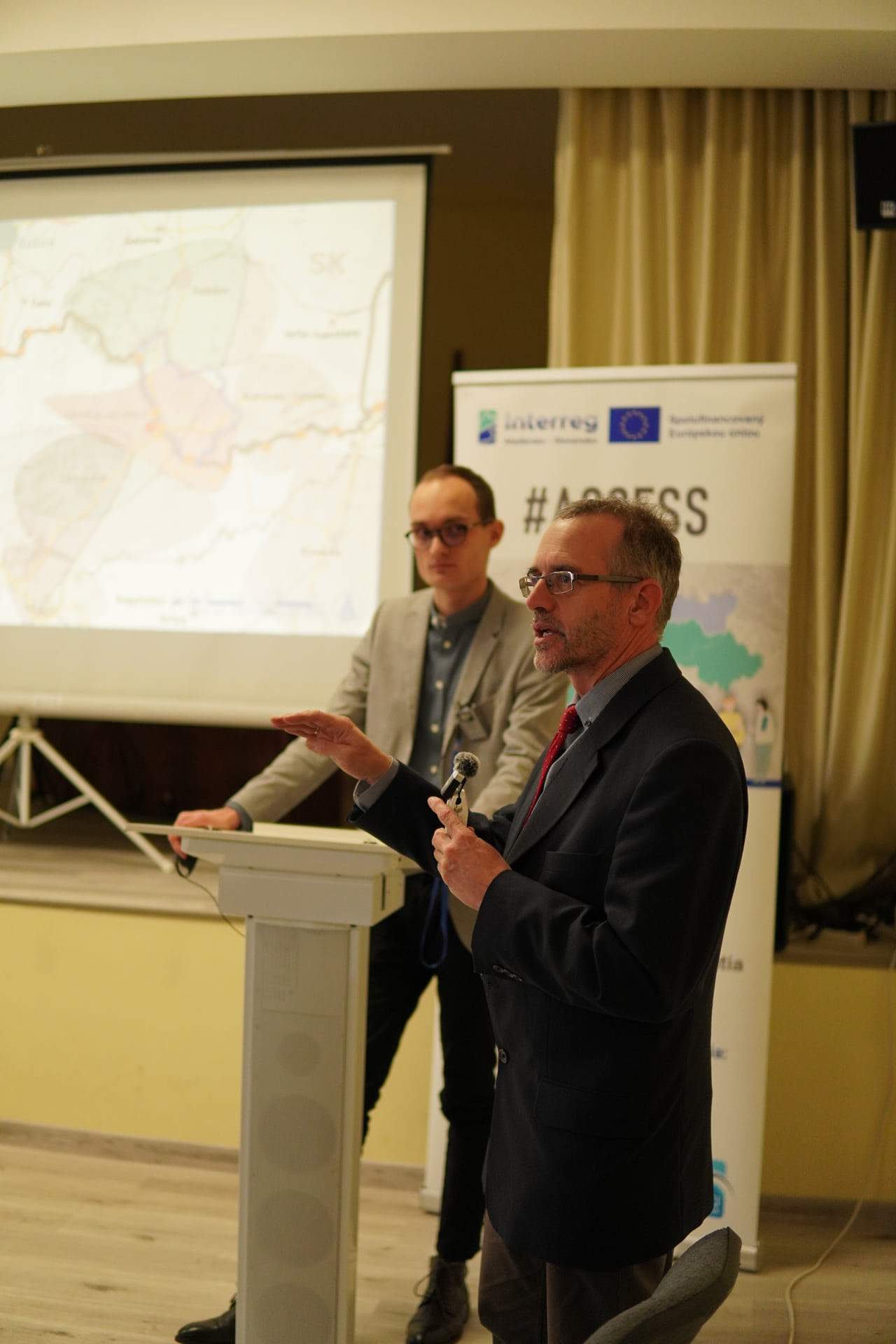
The event organisers and partners of the #ACCESS project – CESCI Budapest and CESCI-Carpathia Košice – presented an analysis of regional development, which focused on the cross-border functional areas of Sátoraljaújhely and Kráľovsky Chlmec. According to the analysts, it is important to connect urban areas not only in the field of transport, but also in education, labour mobility, health care, and cultural exchange. A proposal for the development of industrial parks and bilingual schools was also presented, which could contribute to strengthening cross-border cooperation and improving the lives of residents in the region.
The representative of the Košice Self-Governing Region presented the upcoming call of the INTERREG VI-A Hungary-Slovakia cross-border cooperation programme aimed at supporting green projects, social innovation and improving the quality of public services, as well as supporting entrepreneurship, digitalisation and recycling. The budget of the call is 28 million euros to support cross-border projects, which will be open to small and medium-sized enterprises, as well as the public and non-profit sectors.
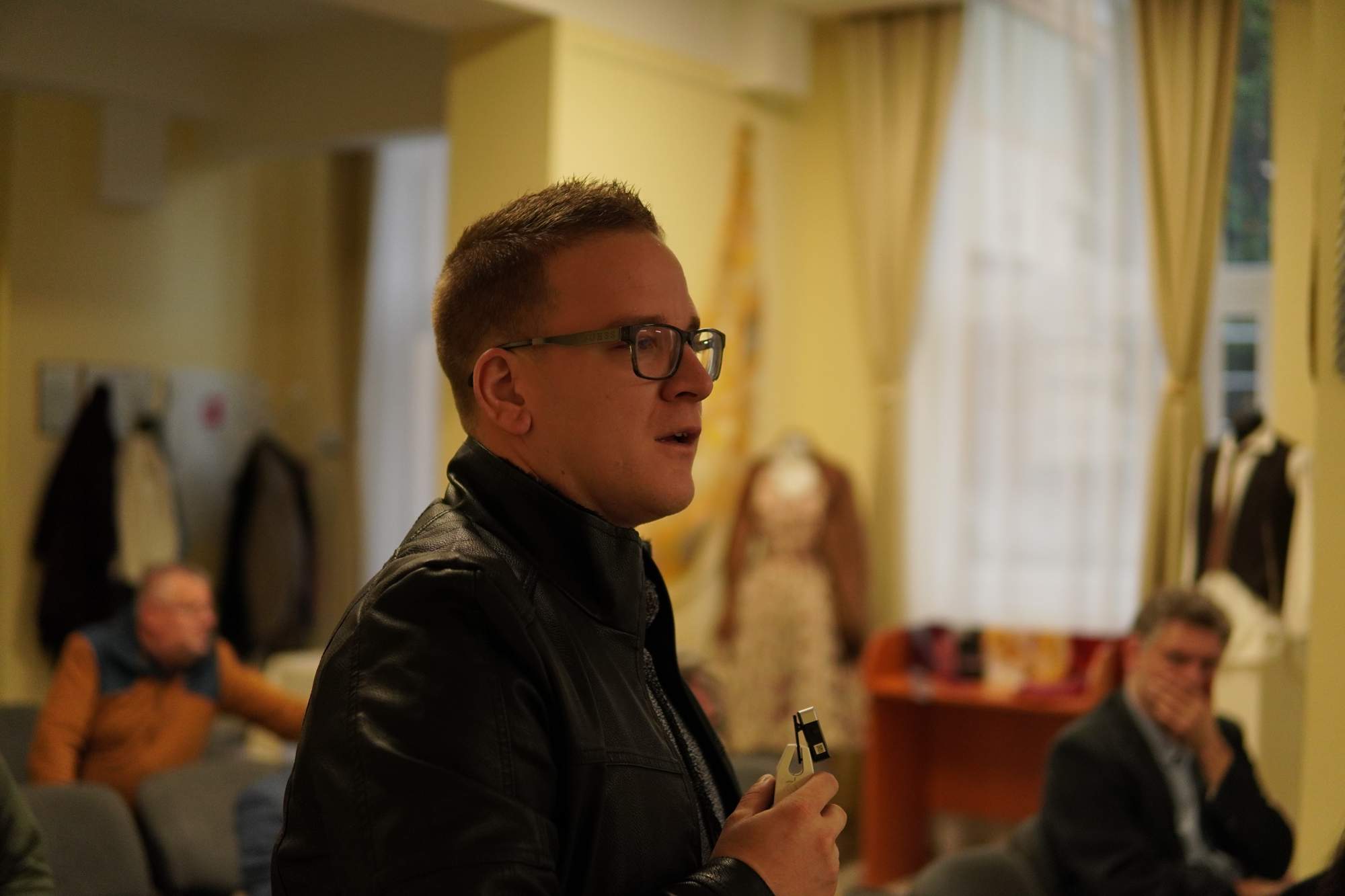
The lively discussion touched on regional education, healthcare, tourism development, transport and also the VOLVO investment near Košice. Local mayors confirmed that the region contains major challenges due to the lack of employment opportunities, the lack of infrastructure and the departure of young people to larger cities. They underlined the need for complementary investments to prevent further depopulation and disappearance of public services. At the end of the seminar, the participants agreed that in order to overcome cross-border obstacles, it is necessary to continue the cross-border discussion and look for innovative solutions that can contribute to the development of the region and improve the lives of its inhabitants.

The project is financially supported by the European Union,
within the framework of the Interreg Hungary – Slovakia Programme.
For more information visit www.skhu.eu.
The project is financially supported by the European Union,
within the framework of the Interreg Hungary – Slovakia Programme.
For more information visit www.skhu.eu.

 Notruf-©-Harald-KobersteinPreparatory meeting for Slovak-Hungarian cross-border emergency services