Reference group meeting in Rajka
21 October 2024


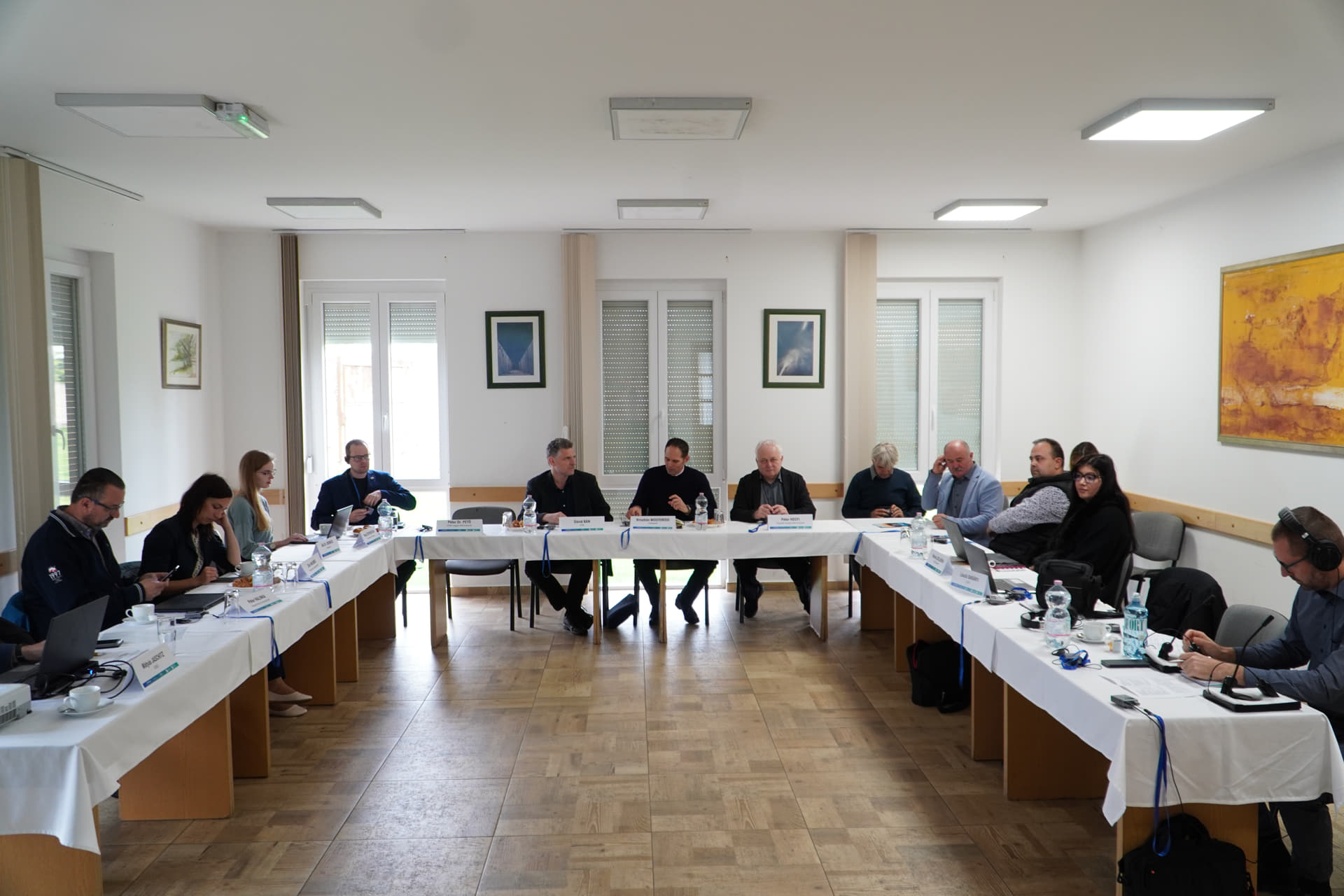
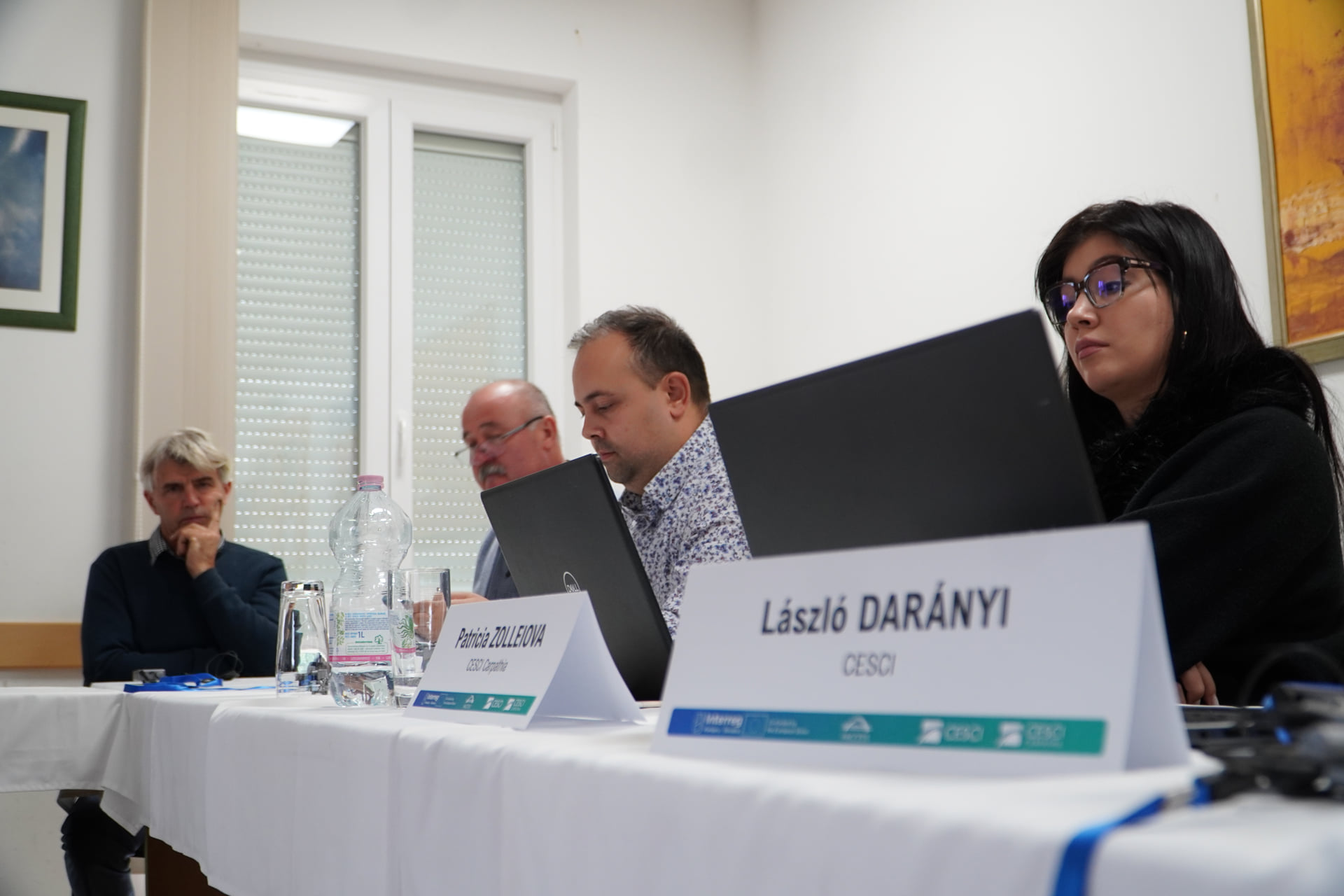
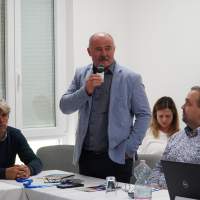
On 16 October 2024, a meeting took place in the Hungarian village of Rajka of the #ACCESS Project, a strategic project for strengthening cross-border cooperation between Slovakia and Hungary. A project with a vision of removing legal and administrative barriers, lasting until 2029, focuses on two main activities: monitoring and managing obstacles that complicate the lives of citizens on both sides of the border.
Mr. Matyas Jaschitz, director of the main partner of the CESCI Budapest project, who introduced the Bratislava-Győr functional area and stressed the importance of monitoring the changes in the number of Slovak citizens emigrating to Rajka area.
The mayor of Rajka, Mr. Vince Kiss, pointed out that their village is one of the most affected in the area of cross-border cooperation, especially in the context of commuting and social issues. The mayor highlighted the underutilisation of local services and institutions (e.g. the school in Rajka) by the newcomers, as well as the daily challenges of municipal management (parking problems, increased amounts of municipal waste, etc.). After the introductory workshop he hopes that the RG meetings will be useful and will provide answers to questions about cooperation between Slovakia and Hungary.
Ms. Pavla Štefkovičová from the Slovak capital Bratislava presented the achievements so far and the potential of using cross-border opportunities in the BAUM project, which focuses on spatial planning and joint studies between Slovakia and Austria. Since 2011, three phases of the project have taken place, and today they are in a period of institutionalisation, covering a broader spatial focus including municipalities in Austria and Slovakia.
The discussion focused on whether solutions similar to the BAUM project could help Slovak citizens living on the Hungarian side and vice versa. Mr. Halinka Peter from Nyugat-Pannon Nonprofit Kft. stressed the need for infrastructure development and continuation of EU-supported projects such as Interreg, so that cross-border cooperation does not cease. He considers it necessary to set up an umbrella organisation that will pay special attention to cross-border transport and territorial development.
Ms. Pavla Štefkovičová sees room for extending cooperation towards Hungary, but the question remains who would become a member and partner in this initiative. The topics handled by BAUM cover a wide range, but at the suggestion of the Hungarian side, other issues are also gladly taken into account.
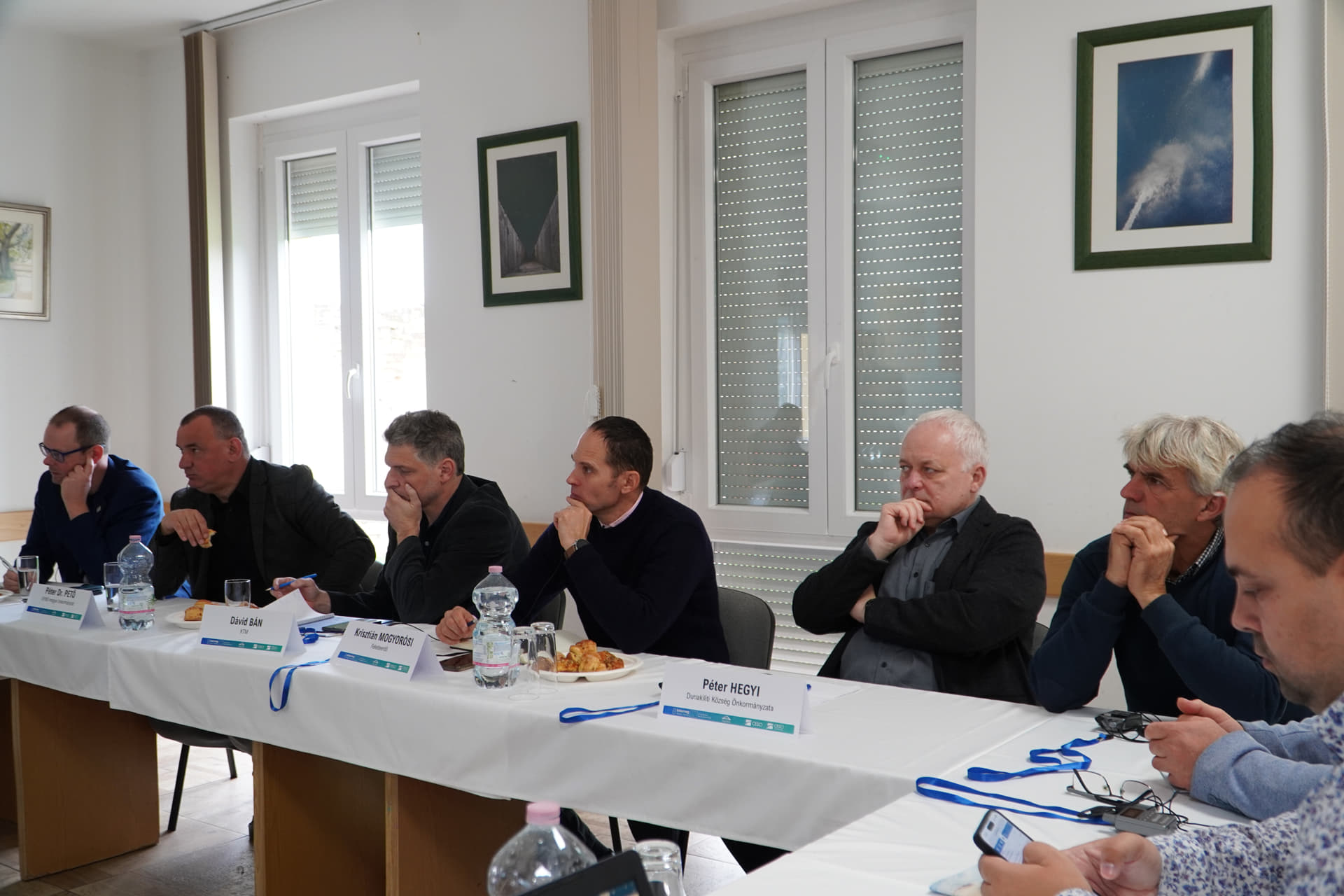
Mr. Pető Péter, representing the Győr-Moson-Sopron County Government, stressed the need for coordinated territorial development, as in the near future Bratislava plans to build new residential zone in the vicinity of the border area, which will have a direct impact on the settlements on the Hungarian side of the border. In addition, cooperation in the fields of environment and tourism would be beneficial, with a special focus on deepening the links between the local NGOs.
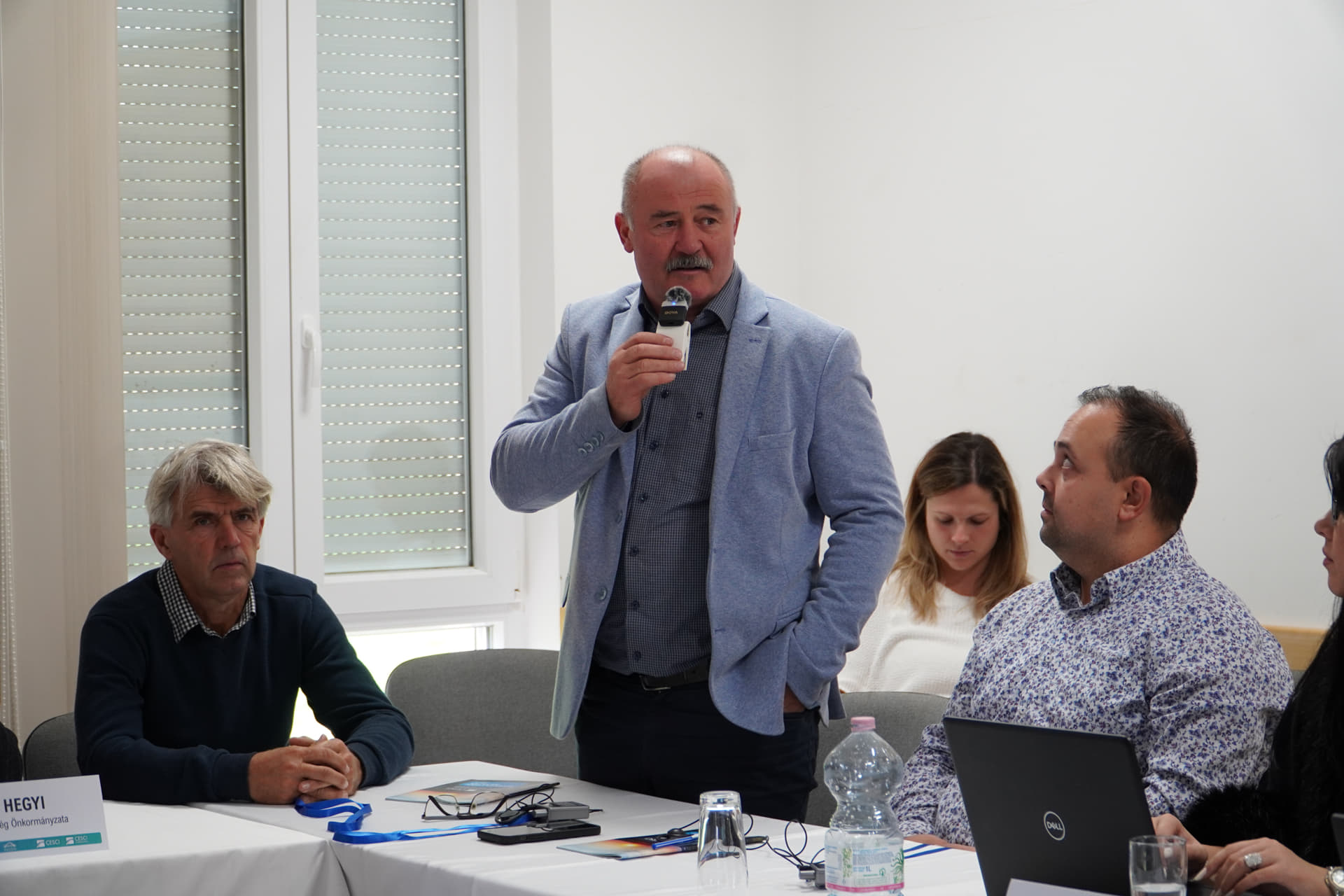
The mayor of Dunakiliti, Mr. Péter Hegyi, pointed out the problem of missing bus connections to Bratislava, where Slovak citizens living in the village have to change buses several times, which complicates their daily lives. However, the construction of a new cycling bridge over the Danube in the vicinity of the municipality will create a significant opportunity to increase the potential of cross-border tourism.
Mr. Christian Berger, one of the BAUM’s coordinators, considers the proposals as a good direction and supports the creation of a separate Hungarian-Slovak platform. However, sees it necessary to appoint a coordinator on the Hungarian side as well, who will be able to provide guidance on Hungarian issues.
The main outcome of the workshop was that the Hungarian participants got to know the aims and work of the BAUM organisation. The meeting was concluded with a verbal agreement on the extension of BAUM governance model to the Hungarian side. They envisage a two-tier Hungarian-Slovak system (separate from the Austrian-Slovak one), but are also open to the involvement of the Austrian side on certain issues (e.g. tourism). A joint coordination centre for cooperation in the manner of BAUM, would help to solve problems in the cross-border area SK-HU. The CESCI will continue to assist the members in developing this cooperation.

The project is financially supported by the European Union,
within the framework of the Interreg Hungary – Slovakia Programme.
For more information visit www.skhu.eu.
The project is financially supported by the European Union,
within the framework of the Interreg Hungary – Slovakia Programme.
For more information visit www.skhu.eu.
 Hungarian-Slovak forestry cooperation: summary of the first online meeting