Reference group in Hidasnémeti
19 November 2024

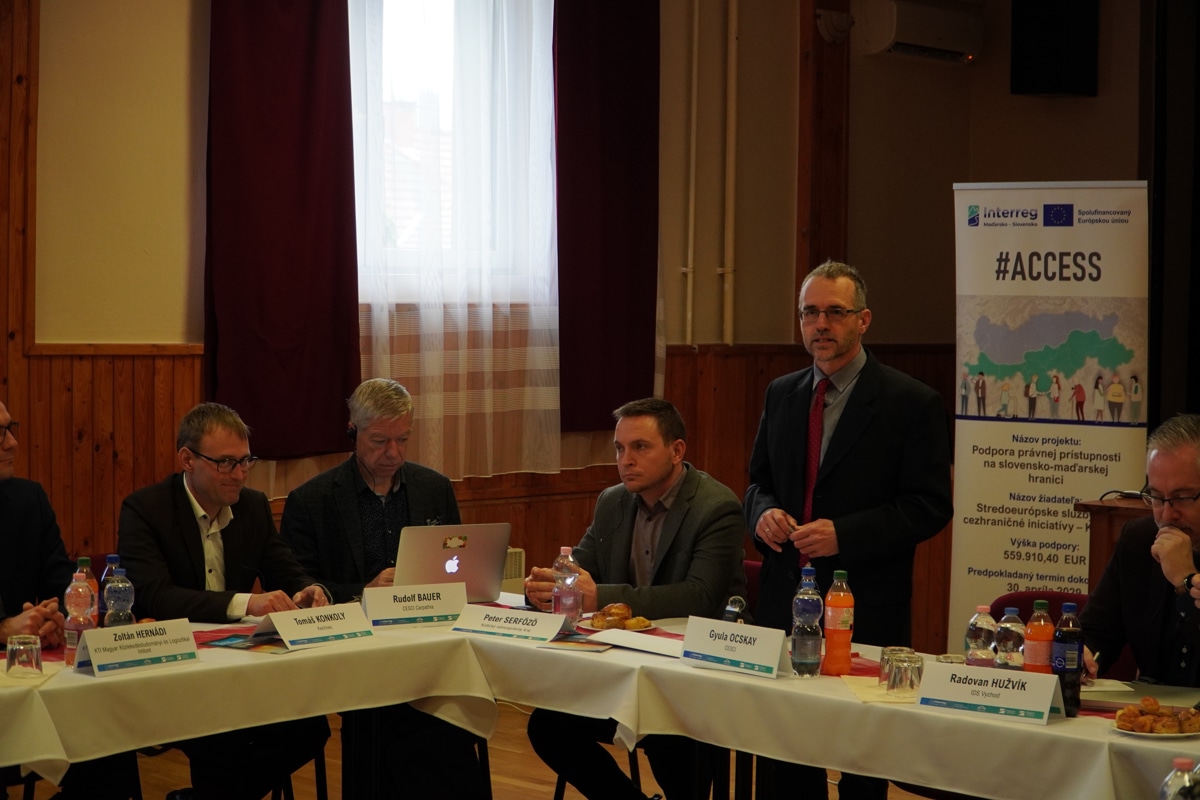
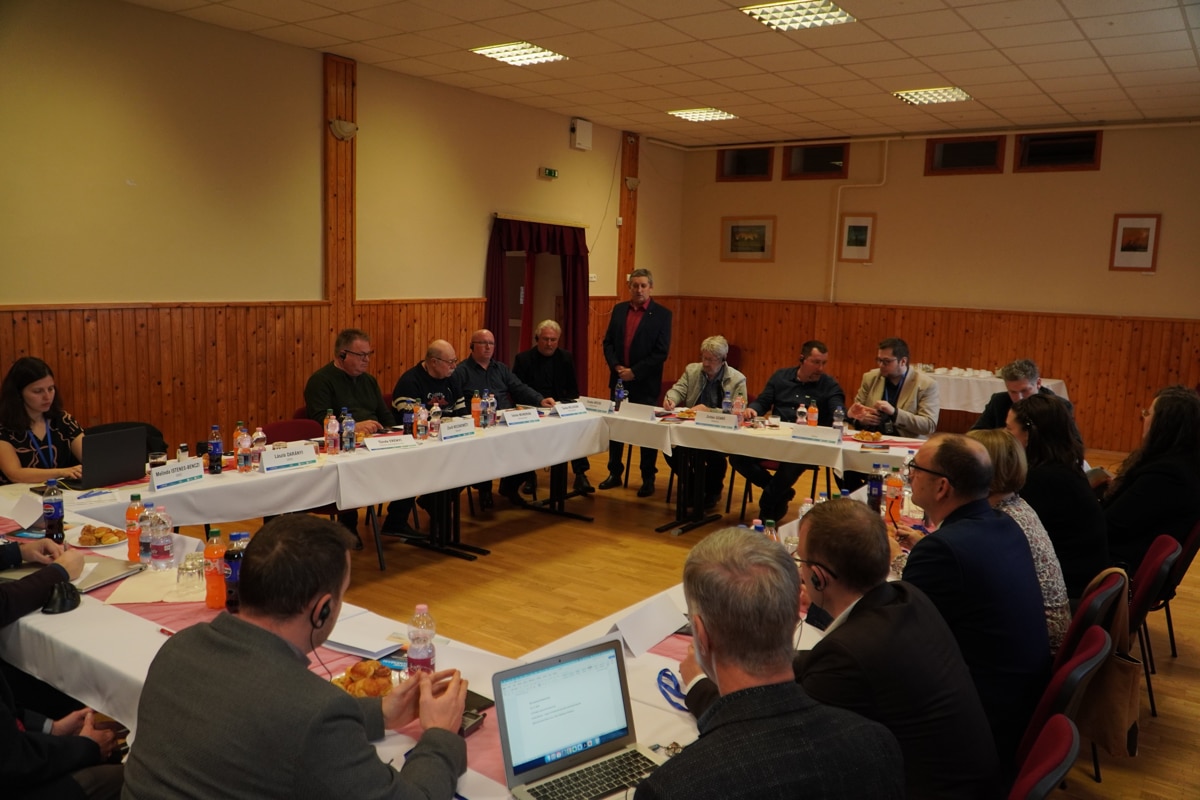
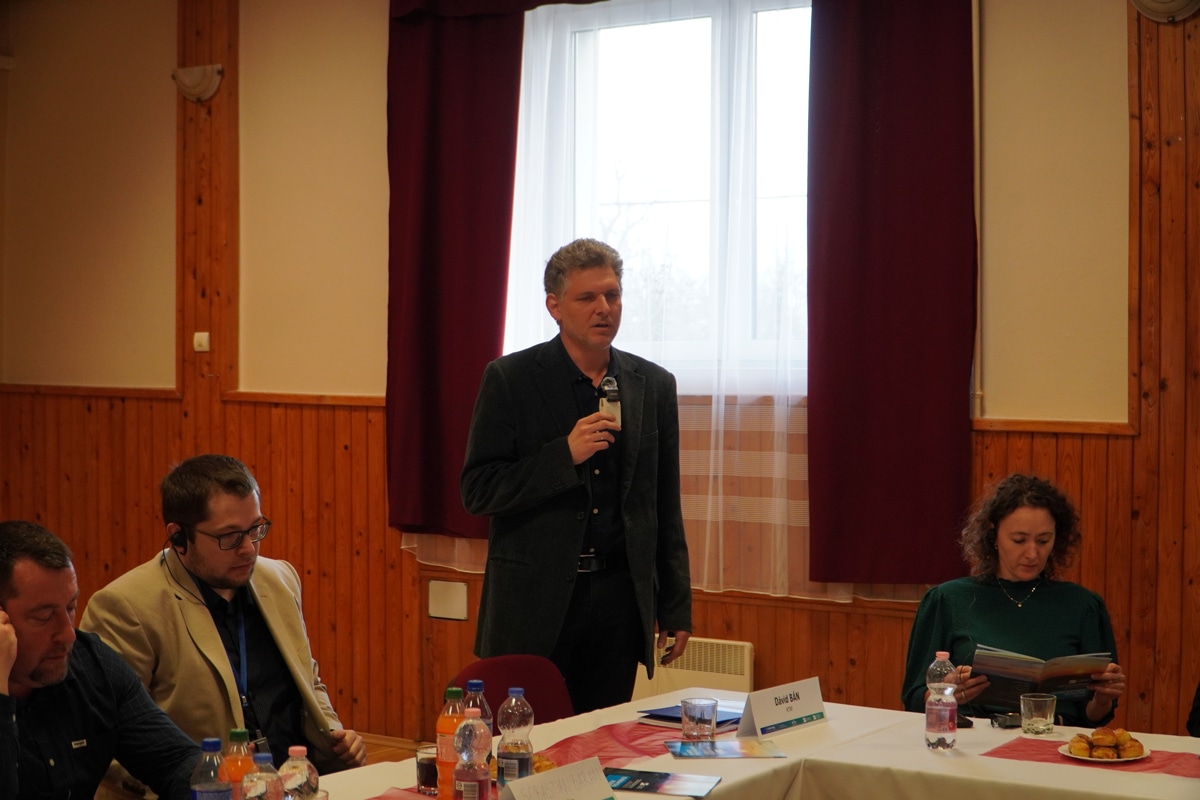
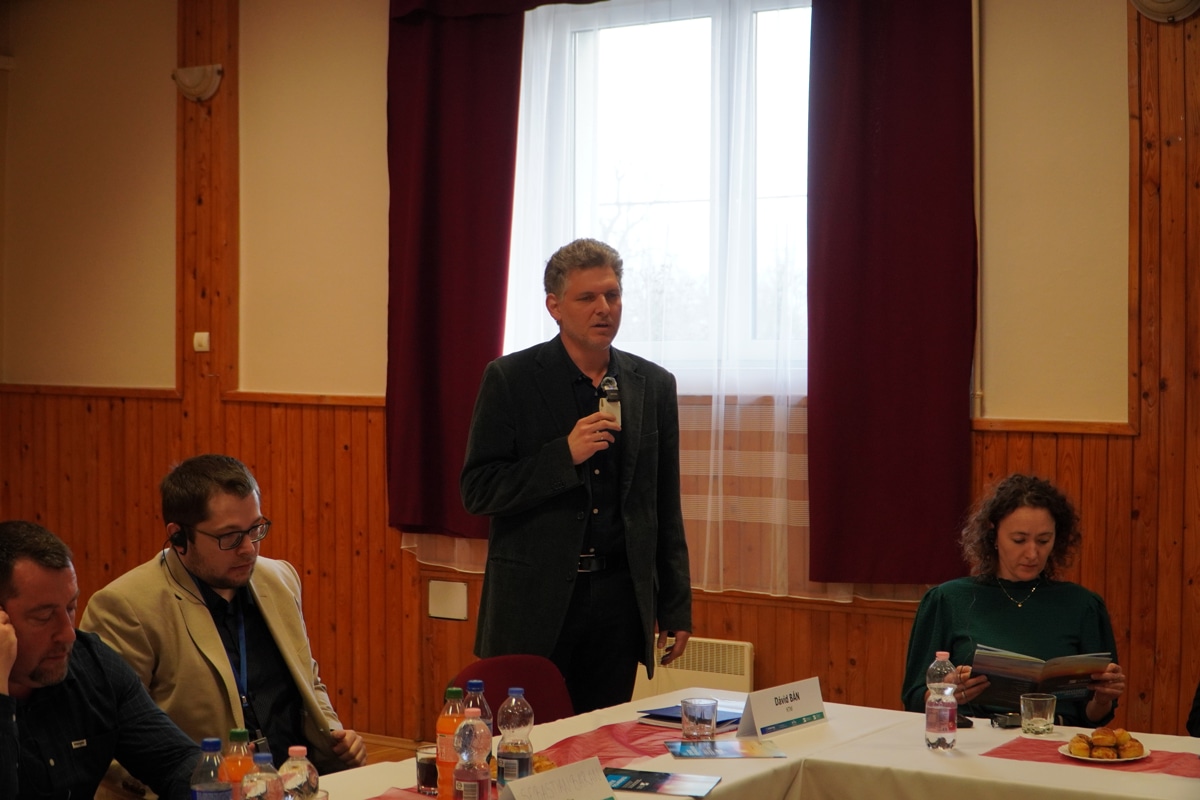
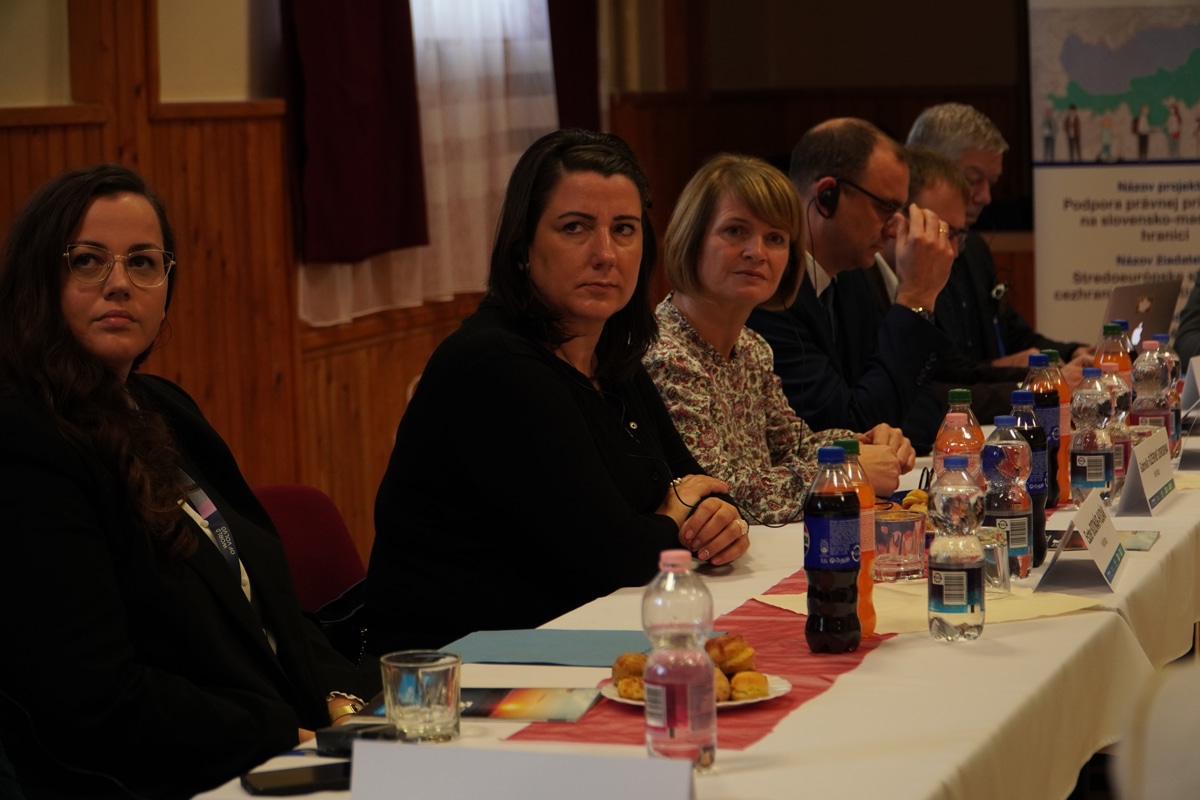
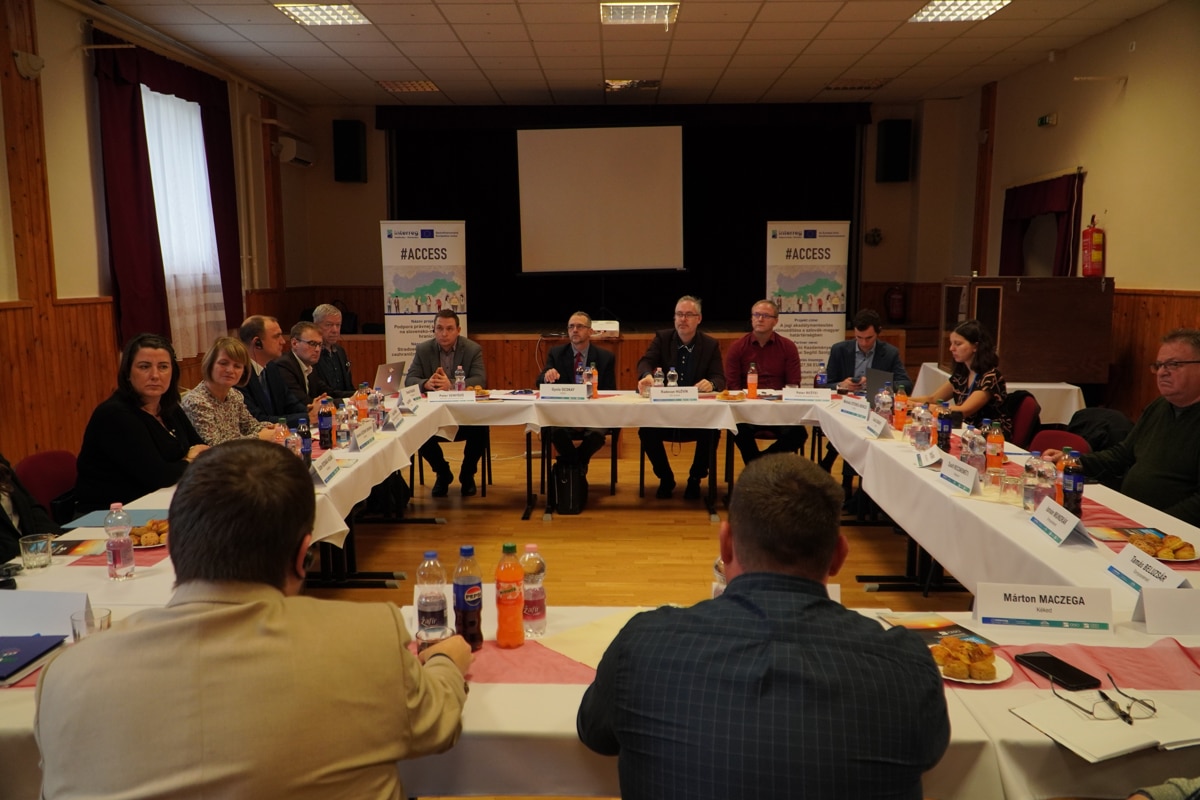
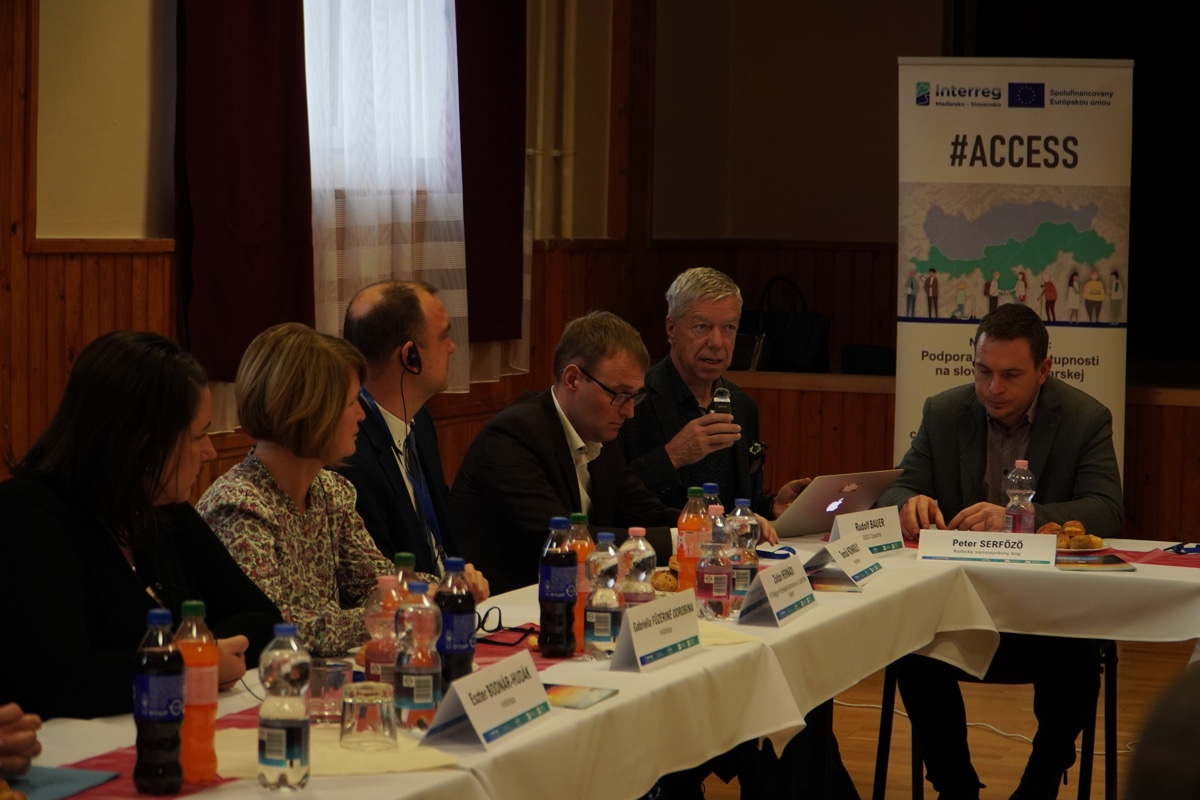
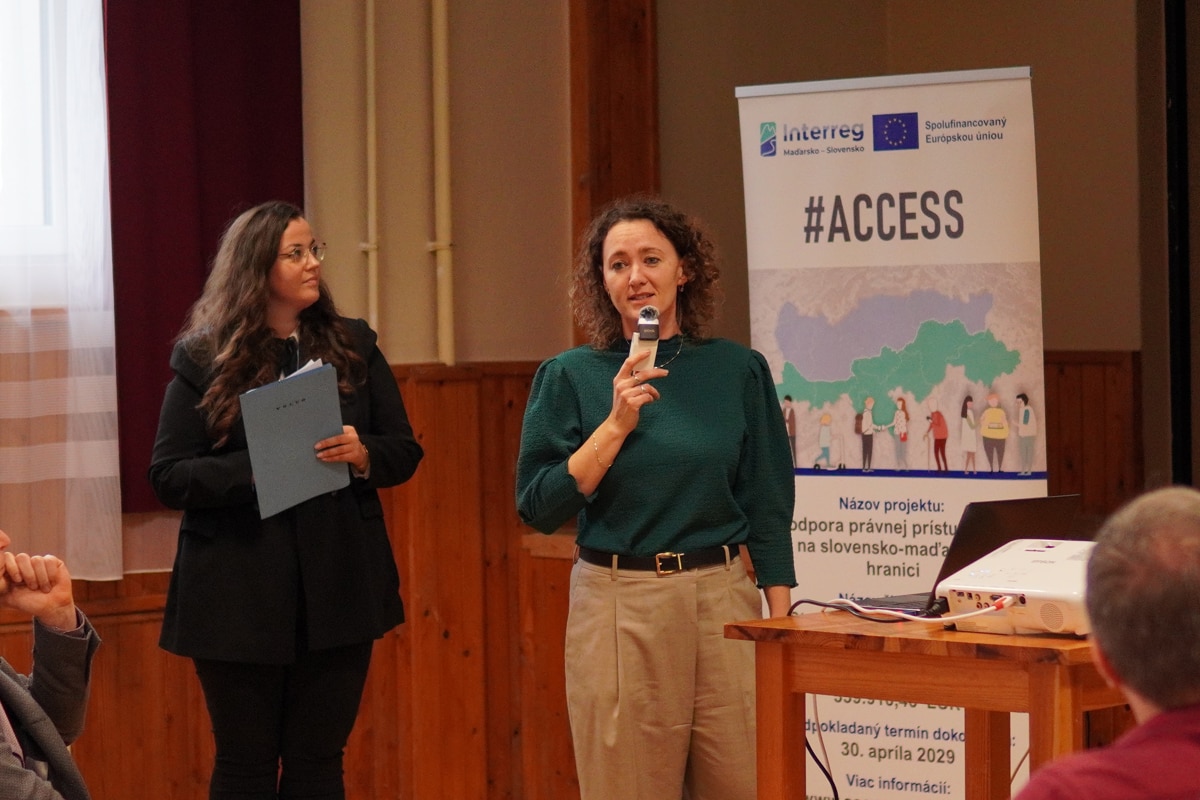
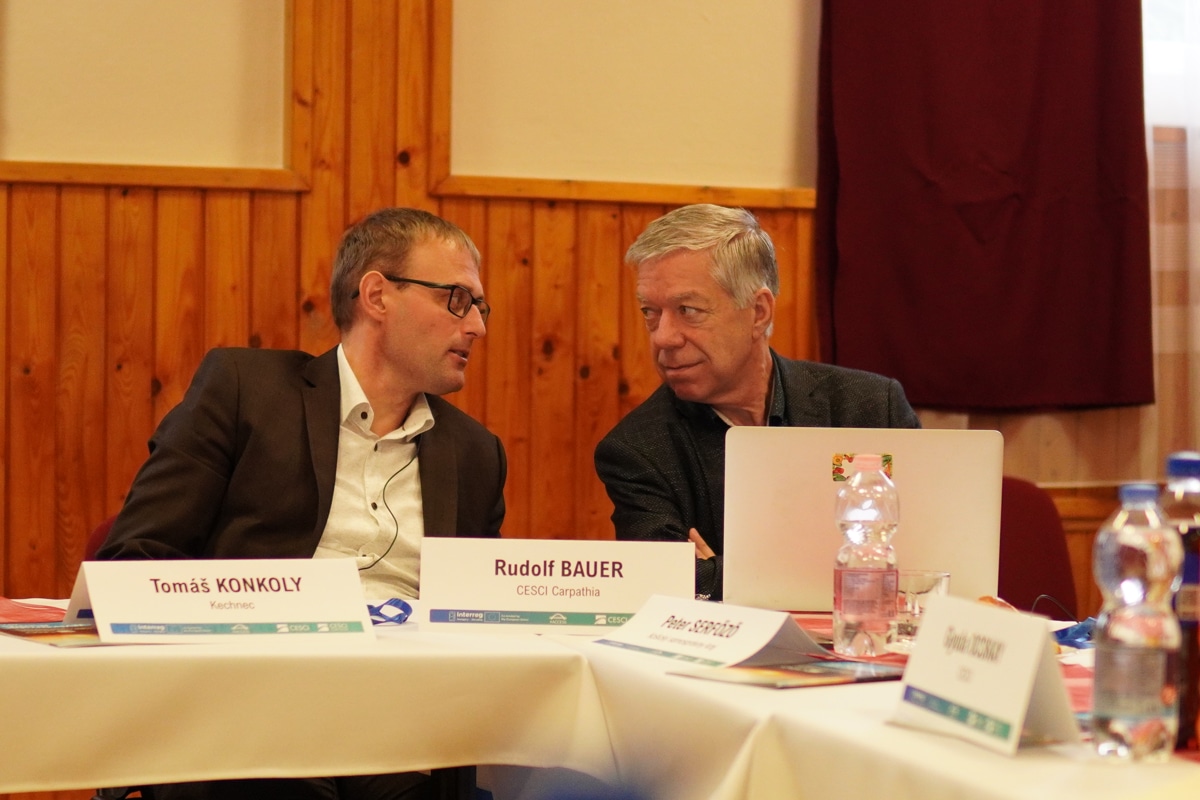
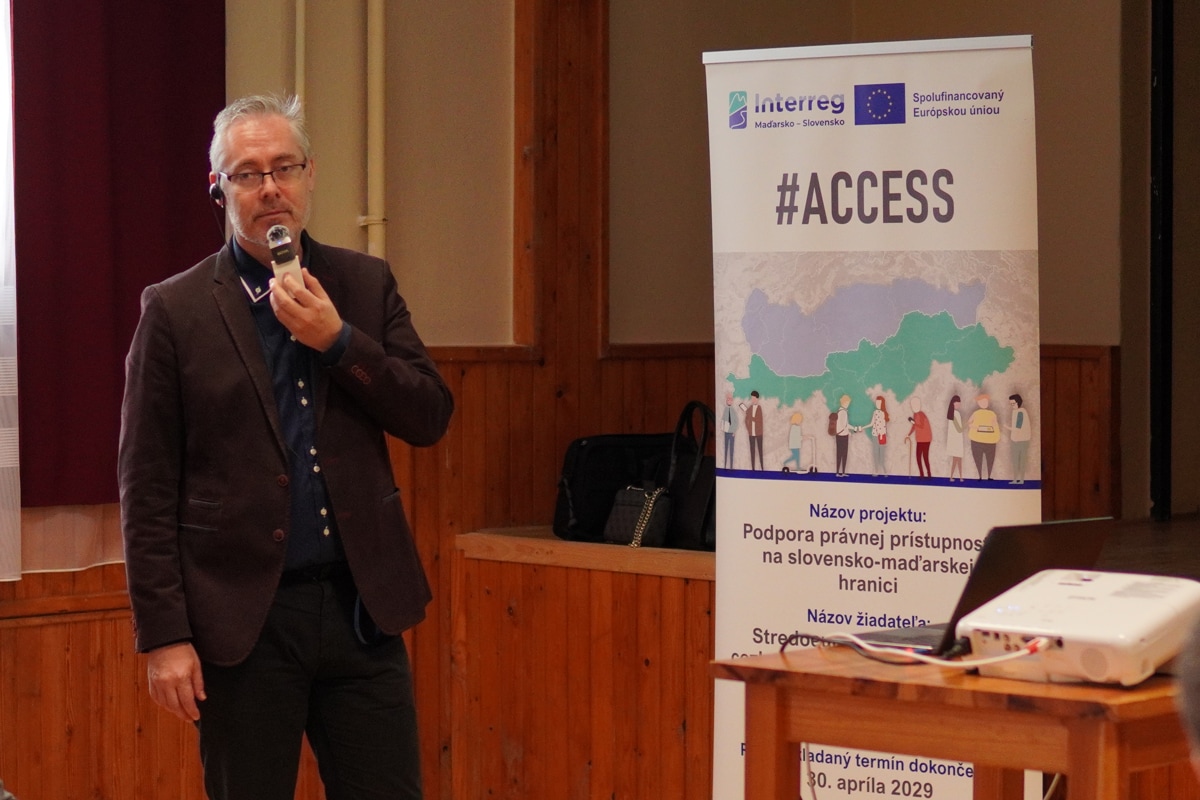
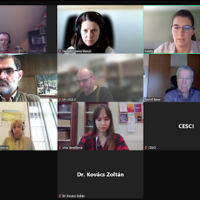
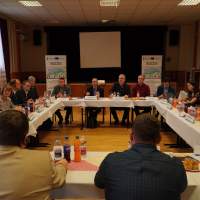
Another engaging meeting was organised by the lead partner of Project #ACCESS in the Košice cross-border functional area. The agenda included two topics: the impact of the VOLVO car investment to and the development of a new integrated transport system on the cross-border region.
VOLVO car investment: a milestone in regional development
Established in 1927, the VOLVO car company is on the verge of celebrating its 100th anniversary. In 2022, the company chose the Košice region for its newest expansion. Although the factory is still under construction, VOLVO has already employed over 140 people, with the number steadily growing. Hungarian mayors expressed interest in whether their communities could benefit from these employment opportunities. Representatives from VOLVO explained that their electric car production requires skilled workers, and for now, all employees must have at least basic Slovak language skills.
The company also outlined its ambitious goals: becoming climate-neutral, achieving a 50% female workforce, and fostering community engagement. Car production at the new factory is scheduled to begin in 2026. Additionally, VOLVO has already shown its community orientation by sponsoring the 100th anniversary of the Košice Peace Marathon.
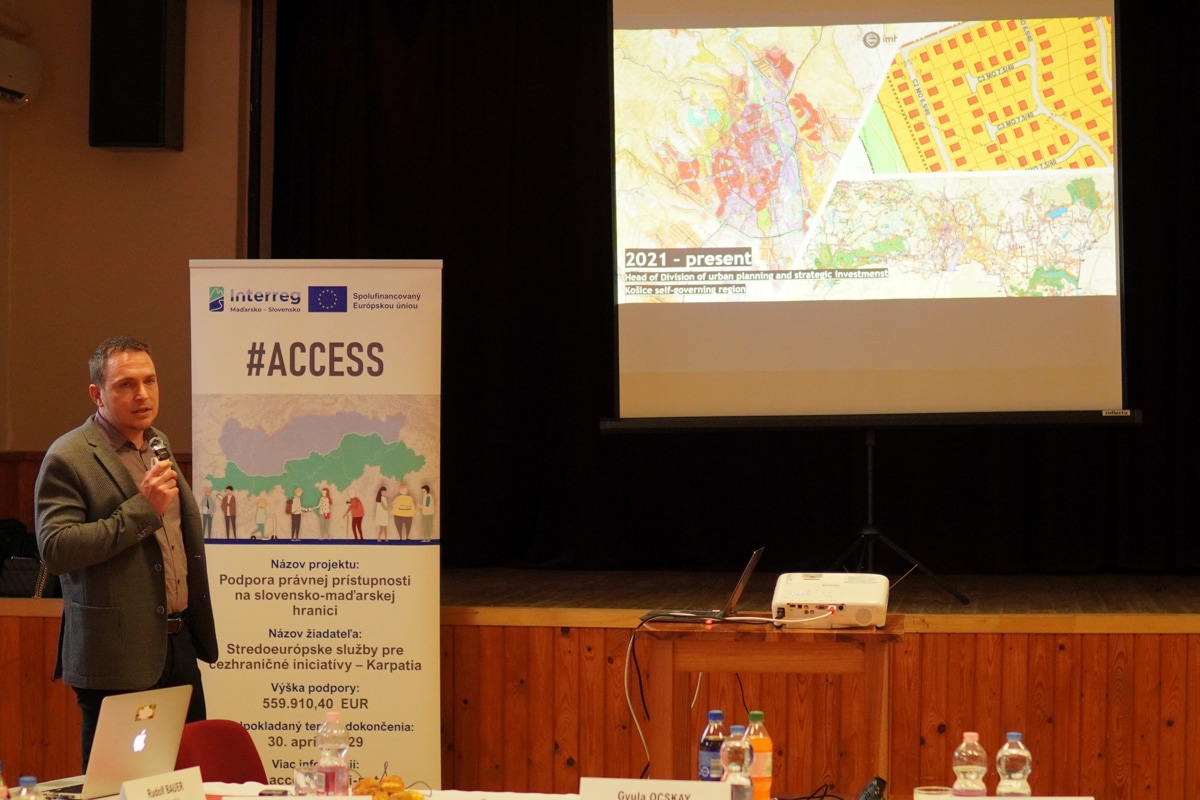
The preparation of the investment requires a flexible response in spatial planning, which included infrastructure development, transport to the factory, new needs in education, environmental impacts, requirements for health services, etc. These aspects were presented by Mr Peter Serfőző, head of department of Košice Self-Governing Region. During discussions, participants noted that spatial planning legislation should include cross-border coordination in similar large-scale projects.
Integrated transport system: connecting the cross-border region
IDS Východ, an initiative by the Prešov and Košice self-governing regions, has introduced a new zoning-based tariff system. Zone 121 now includes the Hungarian municipalities of Hidasnémeti and Tornyosnémeti. A regular bus service between Košice and Hidasnémeti has been in operation since 2019.
However, challenges remain. Due to differing VAT regulations for domestic and international bus lines, prepaid season tickets cannot be sold across borders. Another barrier stems from the different deadlines for timetable approvals in Hungary and Slovakia. As thousands of Slovak citizens move to the Hungarian border region due to more affordable housing, demand for new bus routes is increasing. Unfortunately, most border crossings have a 3.5-ton weight limit for vehicles, hindering the establishment of new bus routes.
The discussions highlighted the importance of multilevel governance in overcoming these legal and developmental barriers in the Slovak-Hungarian borderlands. The seminar provided valuable insights and fostered constructive dialogue among participants.

The project is financially supported by the European Union,
within the framework of the Interreg Hungary – Slovakia Programme.
For more information visit www.skhu.eu.
The project is financially supported by the European Union,
within the framework of the Interreg Hungary – Slovakia Programme.
For more information visit www.skhu.eu.
 Reference group in Hidasnémeti (closed workshop)