Workshop in Tornaľa: Discussing the Future of Slovak-Hungarian Cross-Border Regions
11 February 2025


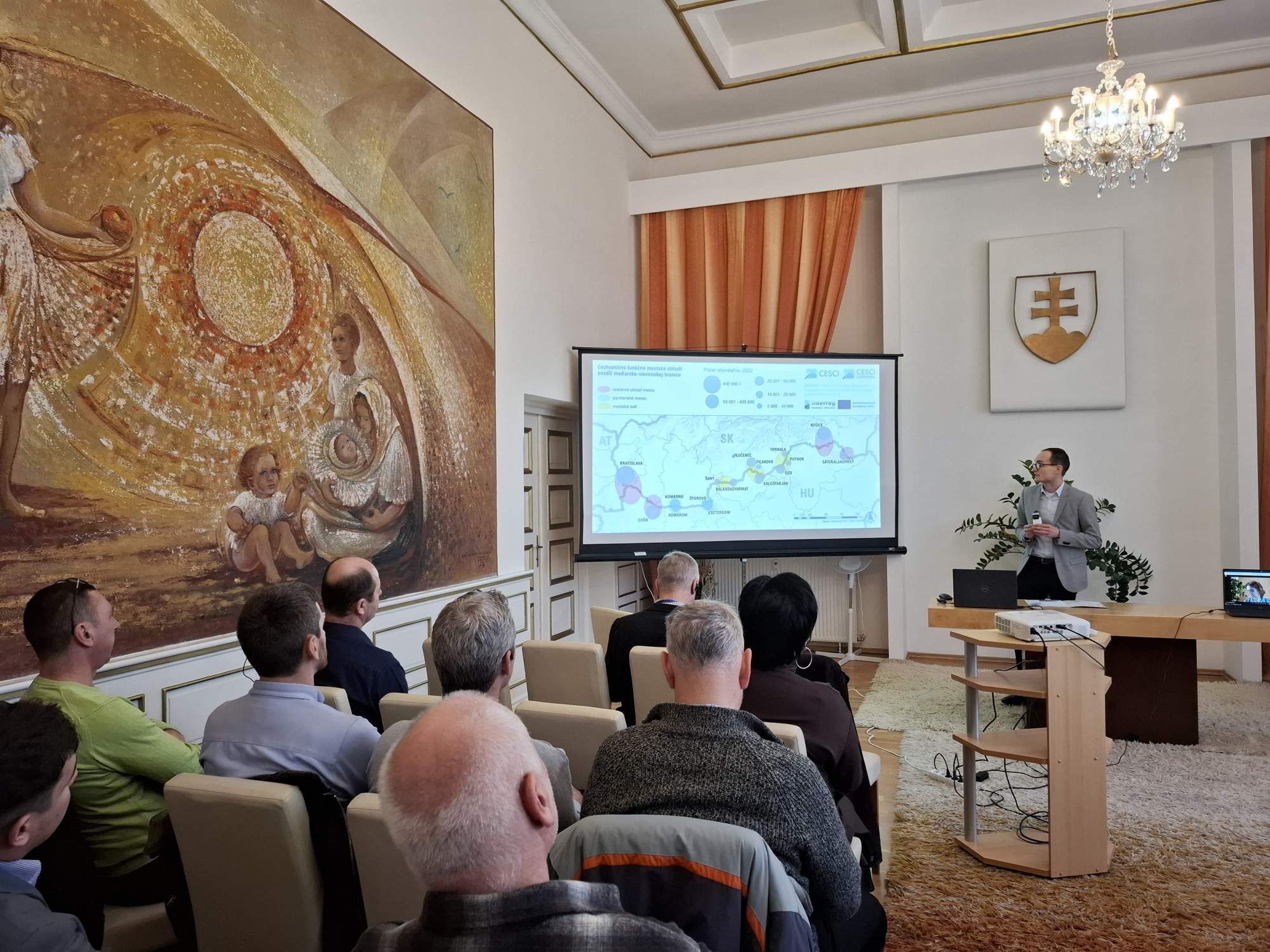
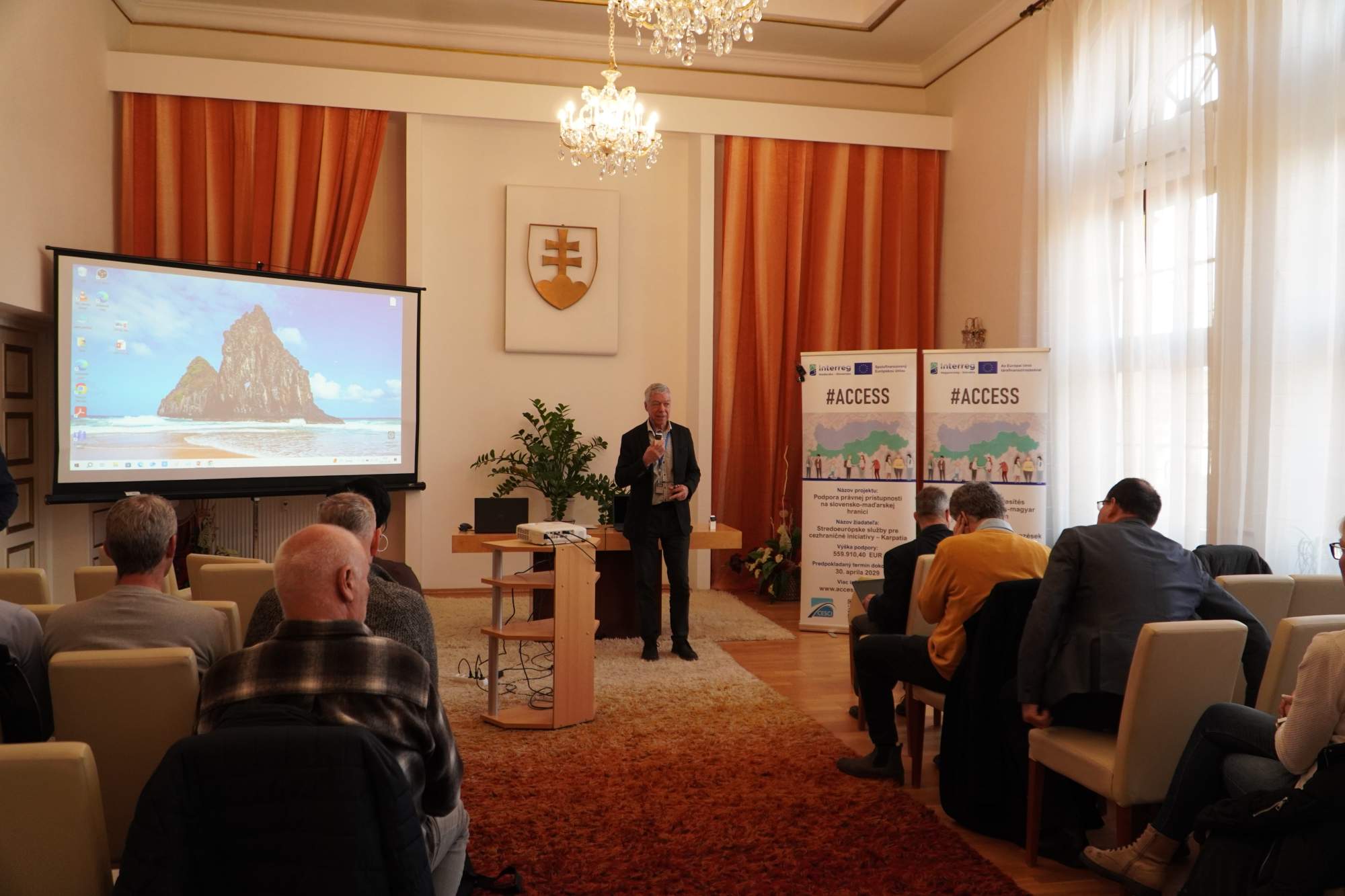
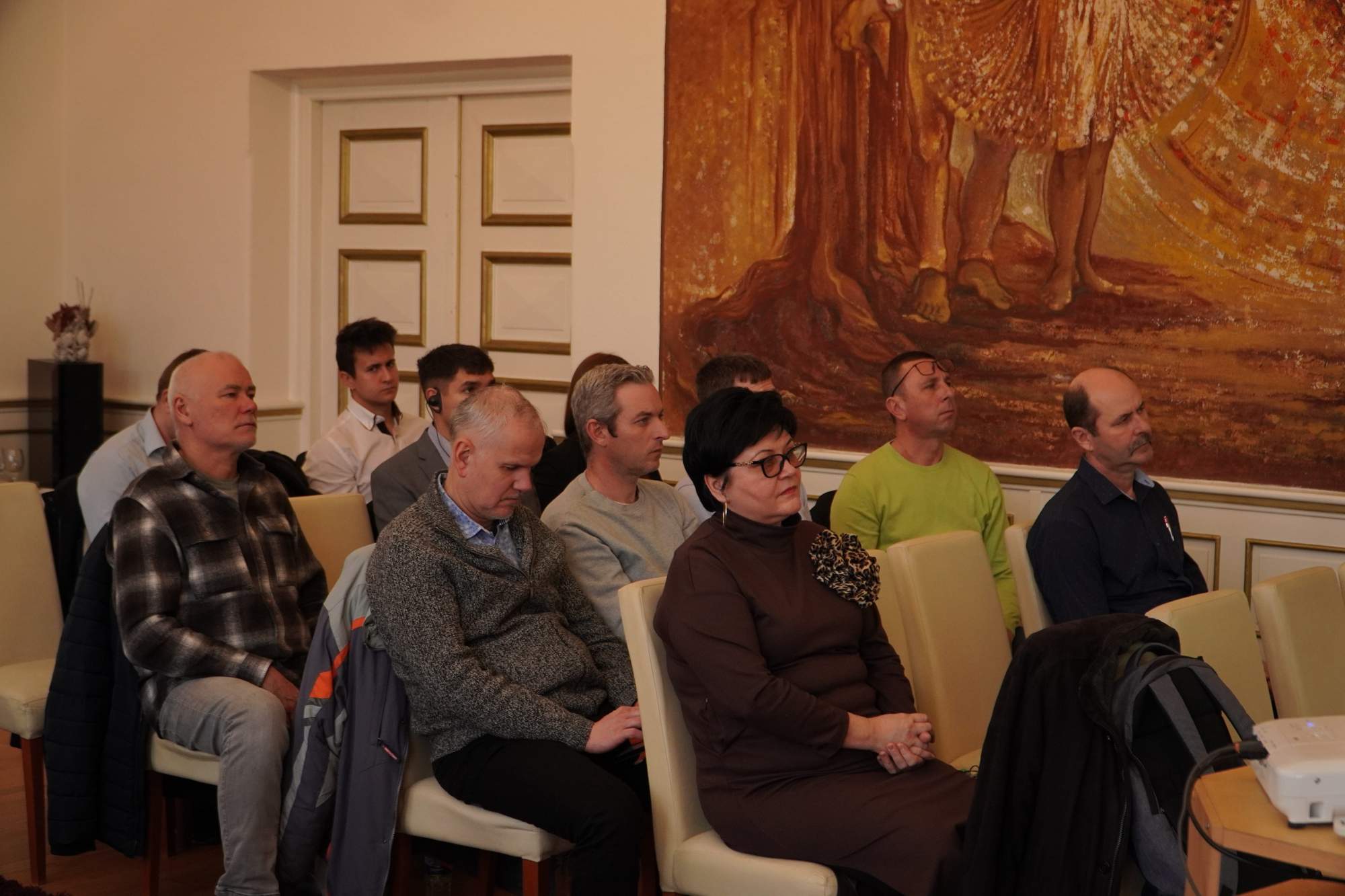
The city of Tornaľa hosted the most recent workshop in a series of meetings focused on cross-border functional areas along the Slovak-Hungarian border. Representatives of local governments from Tornaľa, Putnok, and the South Gemer group of municipalities gathered to continue discussions initiated last year.
The opening remarks were delivered by the Mayor of Tornaľa, Ms. Erika Györfiová, Mr. Dávid Bán from the Ministry of Public Administration and Regional Development of Hungary, and Mr. Peter Balún from the Slovak Ministry of Investments, Regional Development, and Informatisation. Experts of the CESCI network presented the socio-economic analysis of the Putnok-Tornaľa functional area and an upcoming call for proposals under the Interreg Slovakia-Hungary programme. Ms. Katalin Herner from the ’Követ’ Association introduced the LIFE-CLIMCOOP project and outlined her vision for future cooperation with the city of Tornaľa in addressing climate change.
The discussion that followed provided a platform for identifying the main challenges and priorities for regional development. Participants emphasised the importance of developing tourism, constructing cycling infrastructure, improving the environment, particularly in the context of climate change, and supporting projects in social services, healthcare, and education.
Representatives from the Slovak side highlighted a significant obstacle to development: the lack of financial independence of local governments. They often struggle to co-finance European projects requiring an 8% contribution and lack the budgets to cover project costs prior to being reimbursed. As a result, many project ideas are not submitted or implemented. In contrast, Hungarian municipalities are in a much better position as they do not need to co-finance projects and receive advance payments of 50% of the project budget.
Participants also called on the Banská Bystrica Self-Governing Region to take a more active role in building cycling infrastructure, especially in areas where the Hungarian side has already constructed cycle paths up to the border.
The discussion was enriched by Mr. Gyula Ocskay, Secretary-General of CESCI Budapest, who provided inspiring examples from other sections of the Slovak-Hungarian border. The seminar concluded with a pleasant lunch at the U Bieleho koňa restaurant, where participants continued informal discussions.

The project is financially supported by the European Union,
within the framework of the Interreg Hungary – Slovakia Programme.
For more information visit www.skhu.eu.
The project is financially supported by the European Union,
within the framework of the Interreg Hungary – Slovakia Programme.
For more information visit www.skhu.eu.
 Brief overview of the #ACCESS project developments during the second half of...