#ACCESS panels on cross-border legal accessibility
27 November 2024

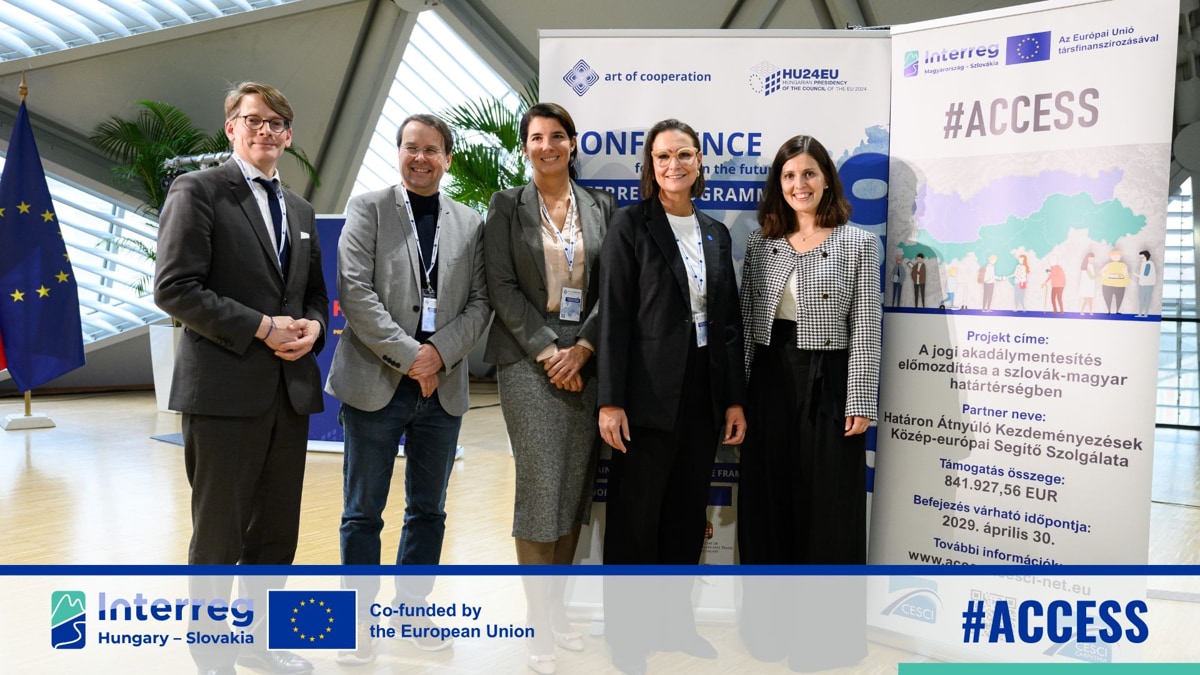
The Hungarian EU Presidency event dedicated to European Territorial Cooperation called “Art of Cooperation” took place in Budapest on 13 and 14 November. Among others, CESCI organised two parallel sessions during the conference introducing best practices of obstacle management such as the Freedom of Movement Council, the b-solutions initiative, and the Pilot Coordination Point at the Dutch-Flemish border. The invited experts discussed the models and mechanisms targeting legal and administrative obstacles hampering the accomplishment of the Single Market and the free movement of goods, services and people across the EU Member States’ borders.
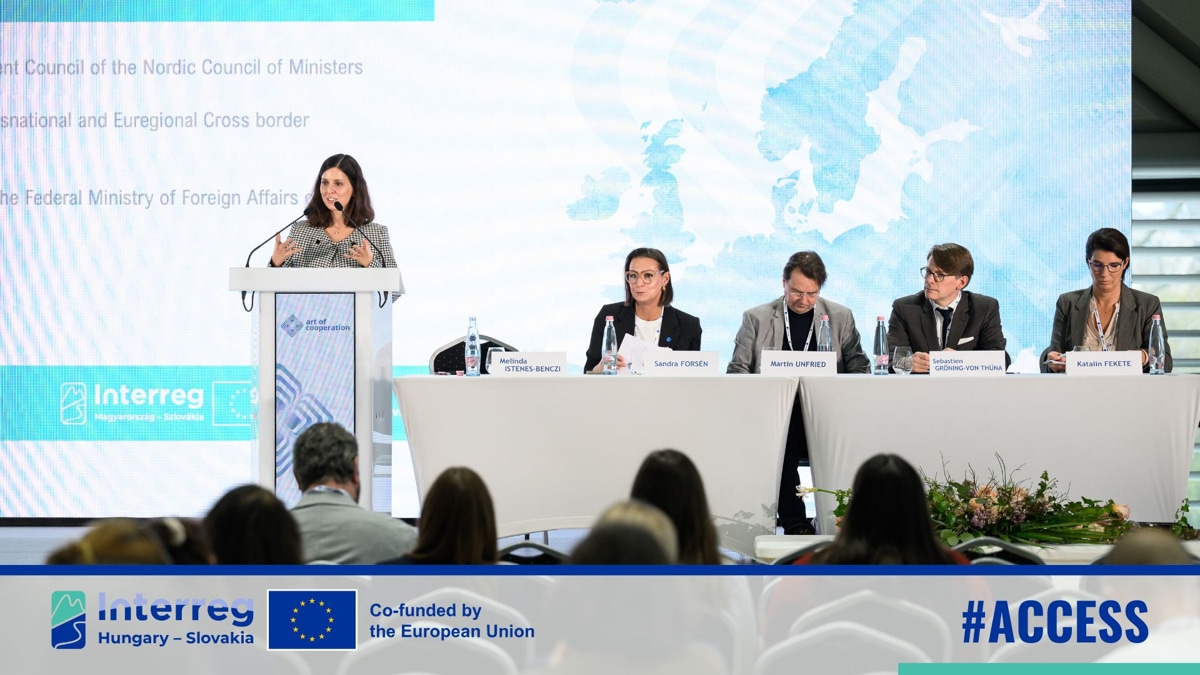
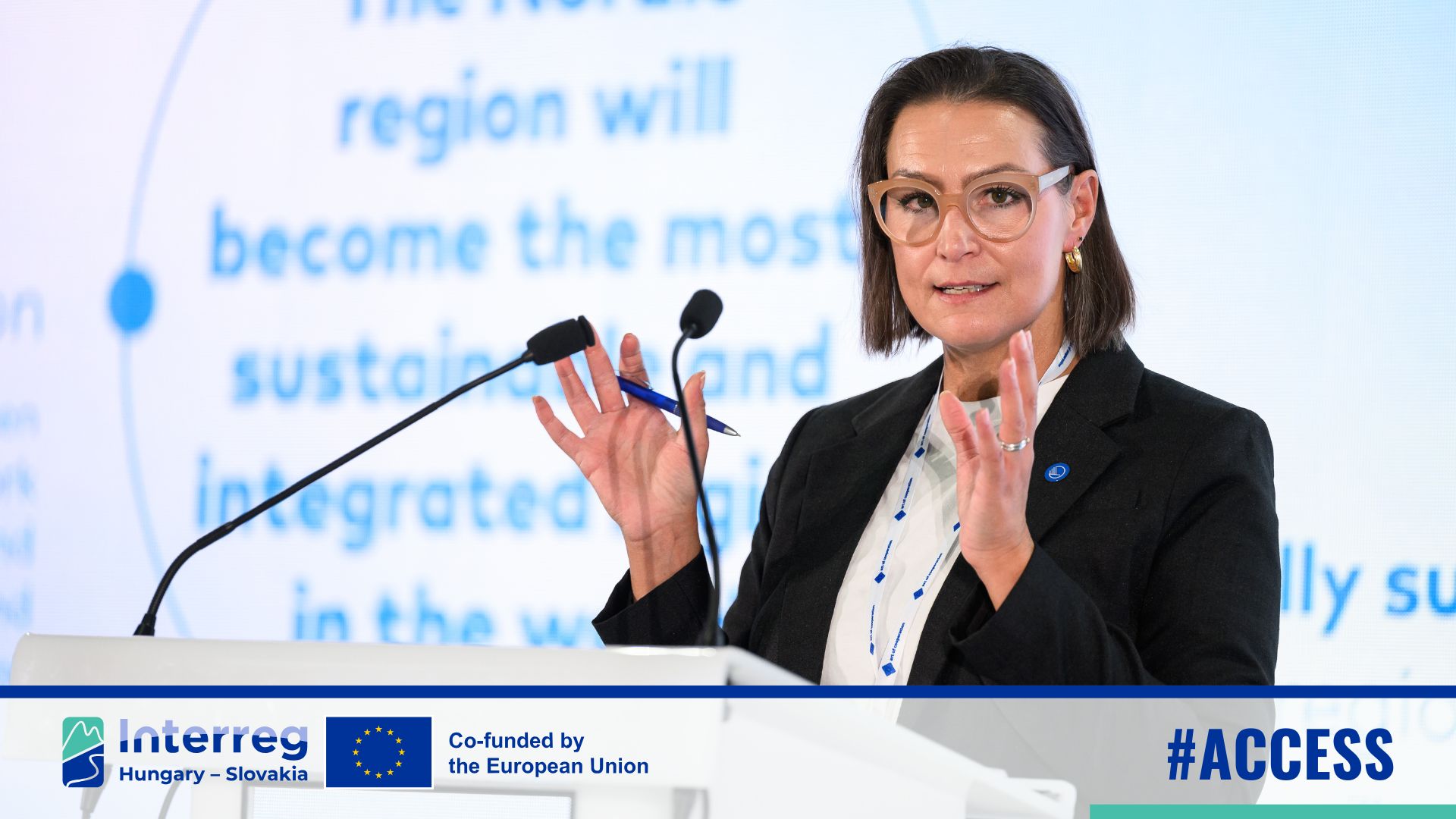
The first panel, titled ‘Management of legal obstacles in the European Union: good practices’ moderated by Melinda Istenes-Benczi, started with the presentation of Sandra Forsén, Senior Adviser of the Freedom of Movement Council of the Nordic Council of Ministers. She introduced the structure and operation of the Freedom of Movement Council including reporting, registering, labelling, prioritising and solving legal obstacles. As many as 70 obstacles have been solved by the Freedom of Movement Council since 2014. The current agenda contains 30 prioritised obstacles and 100+ unsolvable problems in the database. The Hello Norden network of regional offices provides information on all relevant rules including also taxation and social security.
Martin Unfried, Senior Researcher at the Institute for Transnational and Euregional Cross border Cooperation and Mobility (ITEM at the Maastricht University) introduced ITEM’s work on analysing legislative changes from the point of view of their potential impact on the regions along the Dutch borders. ITEM scanned legislative proposals, as many as 150 in 2023, of which 10 was border-relevant. Besides, for the sake of eliminating obstacles, a Dutch-Flemish Pilot Coordination Point was set up in last September. People can submit an online report on an obstacle by answering a few easy questions. ITEM carries out a quick scan, followed by a full analysis, if it is deemed necessary. A cross-border committee consisting of professionals and decision-makers put the questions/problems on the political agenda. He also pointed out that even rich regions such as the Belgian and Dutch ones heavily rely on EU funds in creating and supporting such mechanisms.
Sebastien Gröning-von Thüna, Head of Section of the Federal Ministry of Foreign Affairs of Germany, summarised the post-2020 German achievements on the field of European Territorial Cooperation. Based on the coalition agreement of 2021 expressing the wish to improve the conditions for cooperation in border regions, several changes have been put into practice, such as expansion of cross-border information services, and the creation of regional councils in order to strengthen bilateral cooperation. To strengthen the position of cooperation within the federal government, an interministerial working group on cross-border cooperation (CBC) was created. CBC experimentation clauses and the practice of ex-ante impact assessment (Grenzraum Check) of new legal acts have been introduced in federal legislation, based on the Dutch experience.
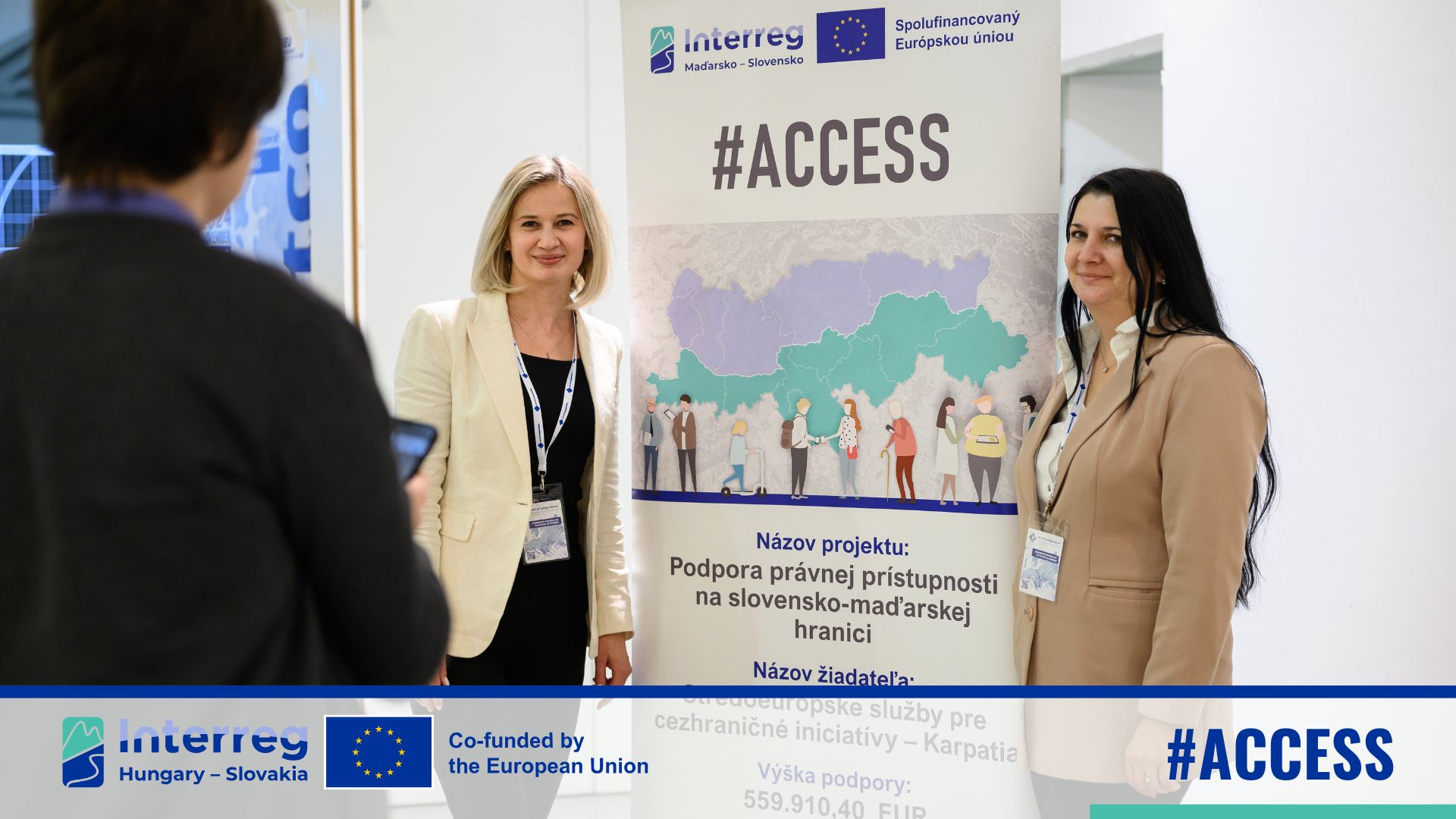
Katalin Fekete, Senior Legal Adviser of CESCI introduced the #ACCESS strategic project implemented together with CESCI Carpathia. According to the first experiences, the most important factor for eliminating cross-border obstacles is the willingness of the relevant authorities to cooperate. She presented the intervention logic of the project, including obstacle monitoring, obstacle management and promotion activities. Furthermore, she described the tasks, potential solutions and the outputs reached so far by the partners of the strategic project lasting 6 years.
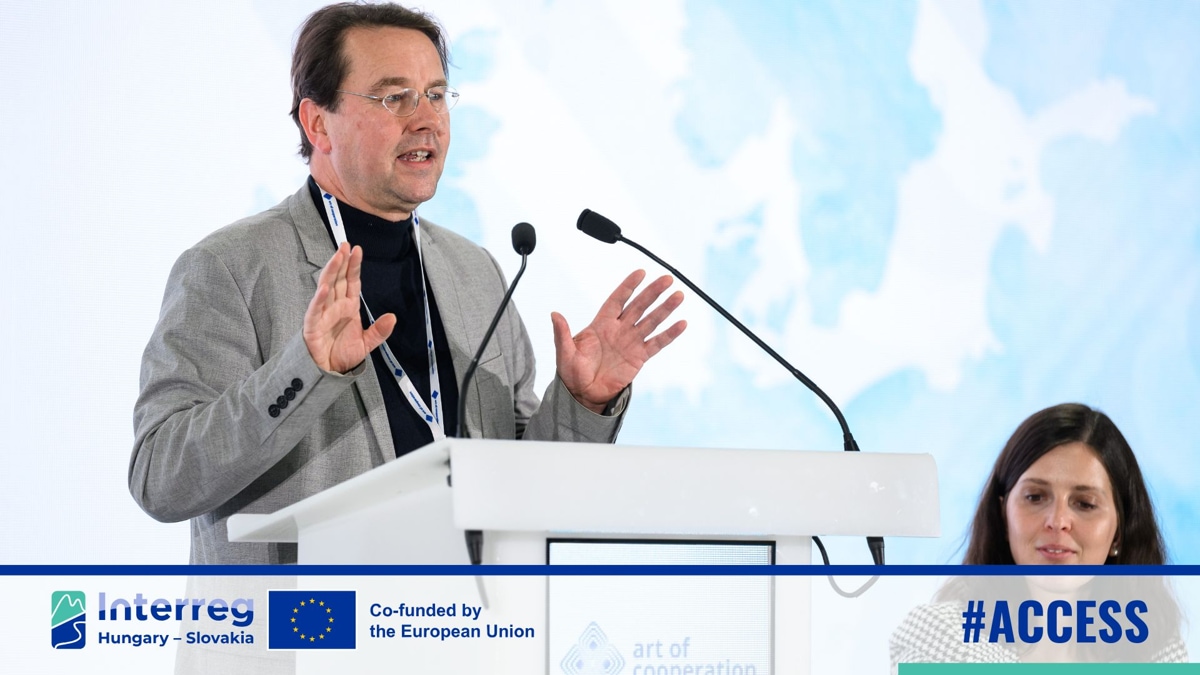
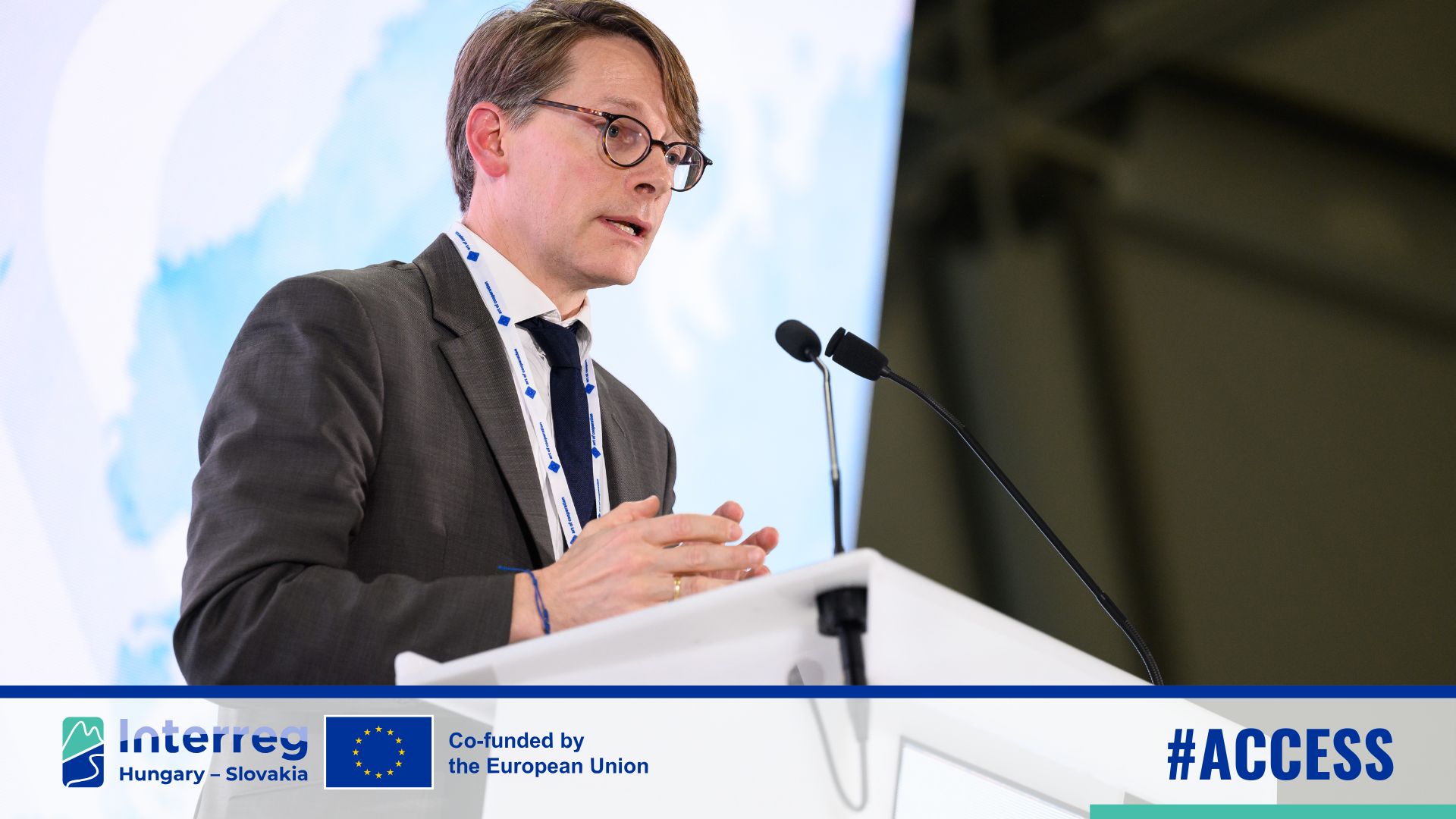
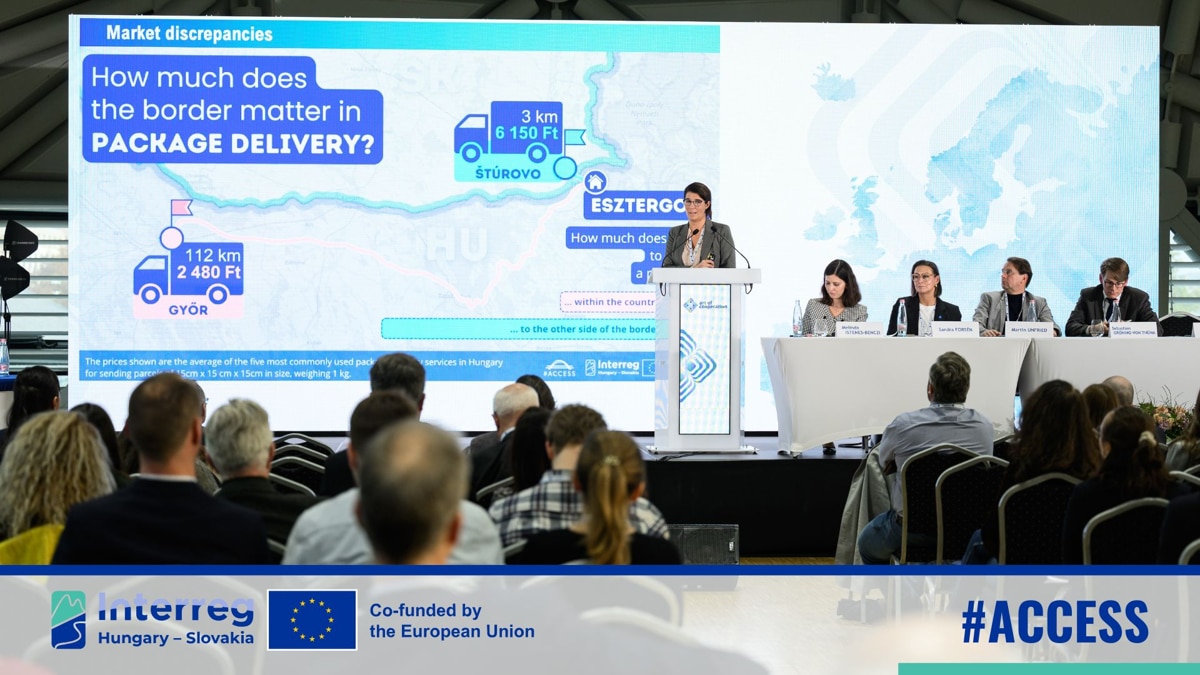
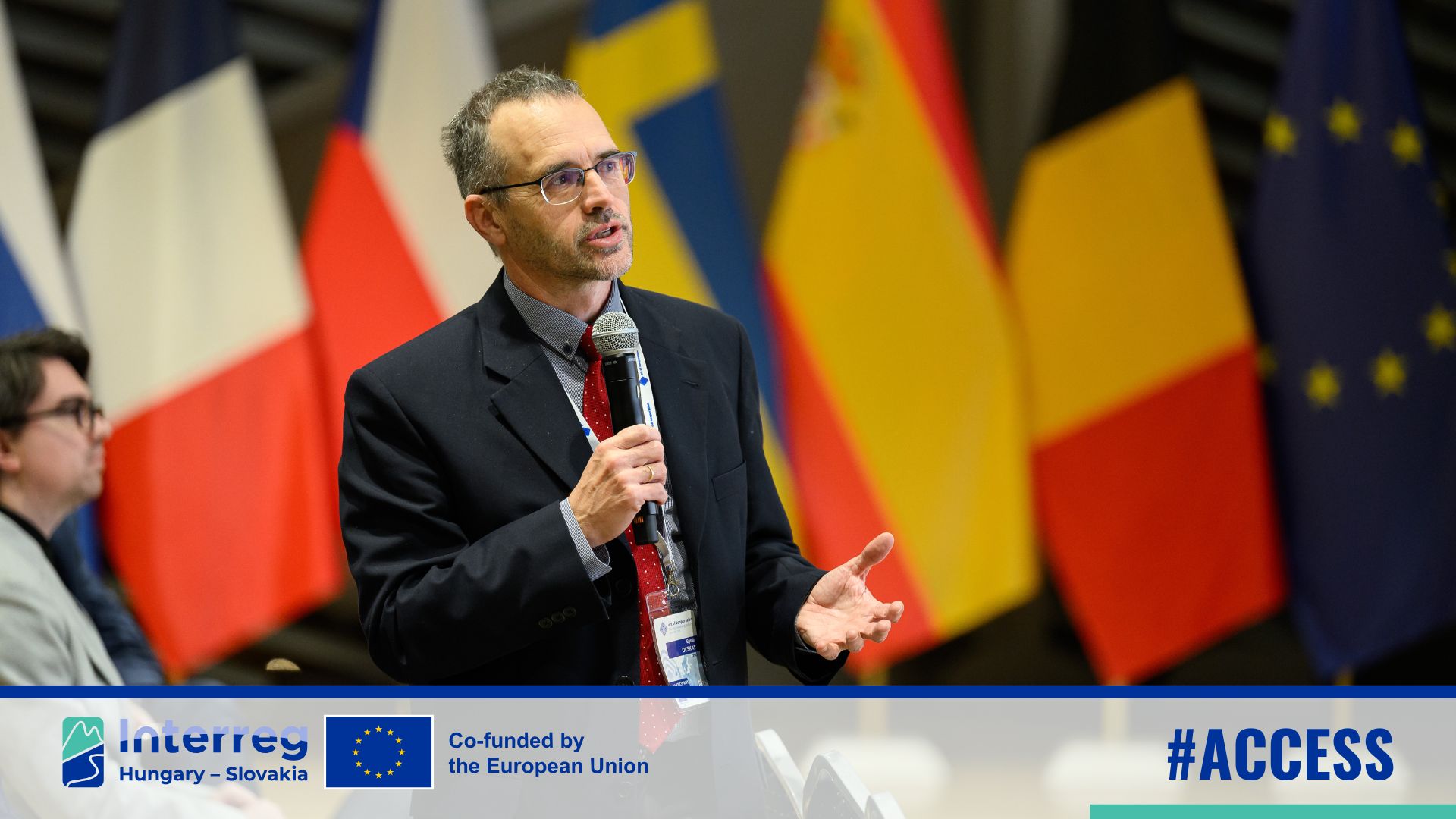
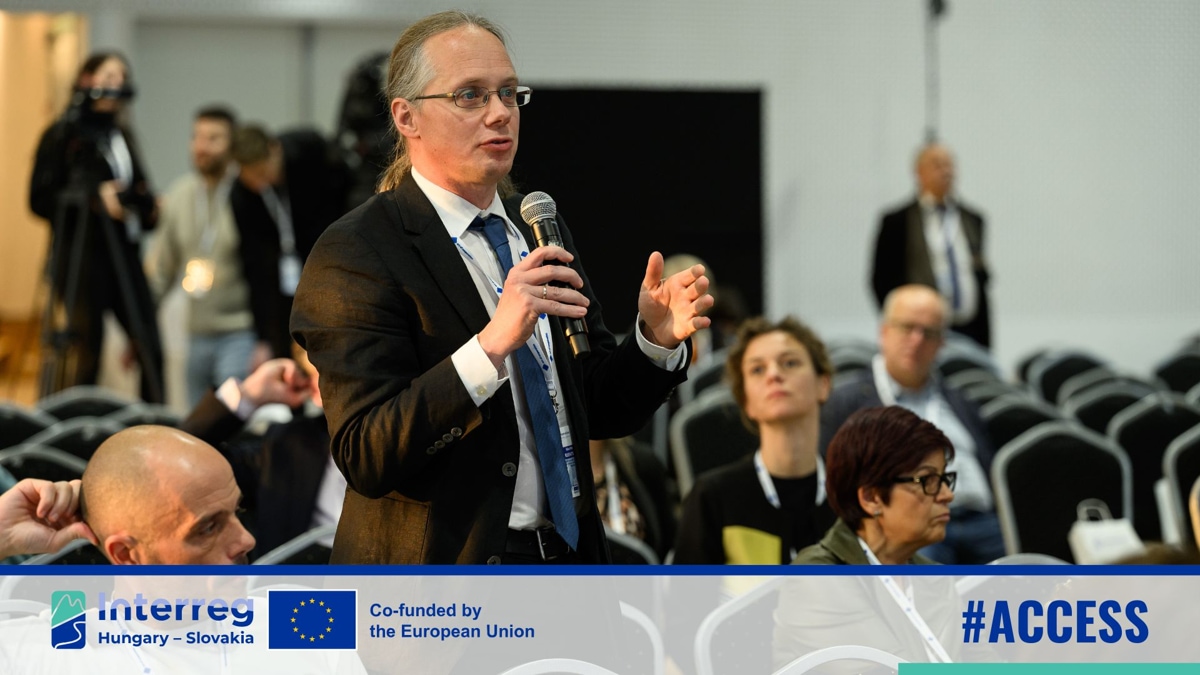
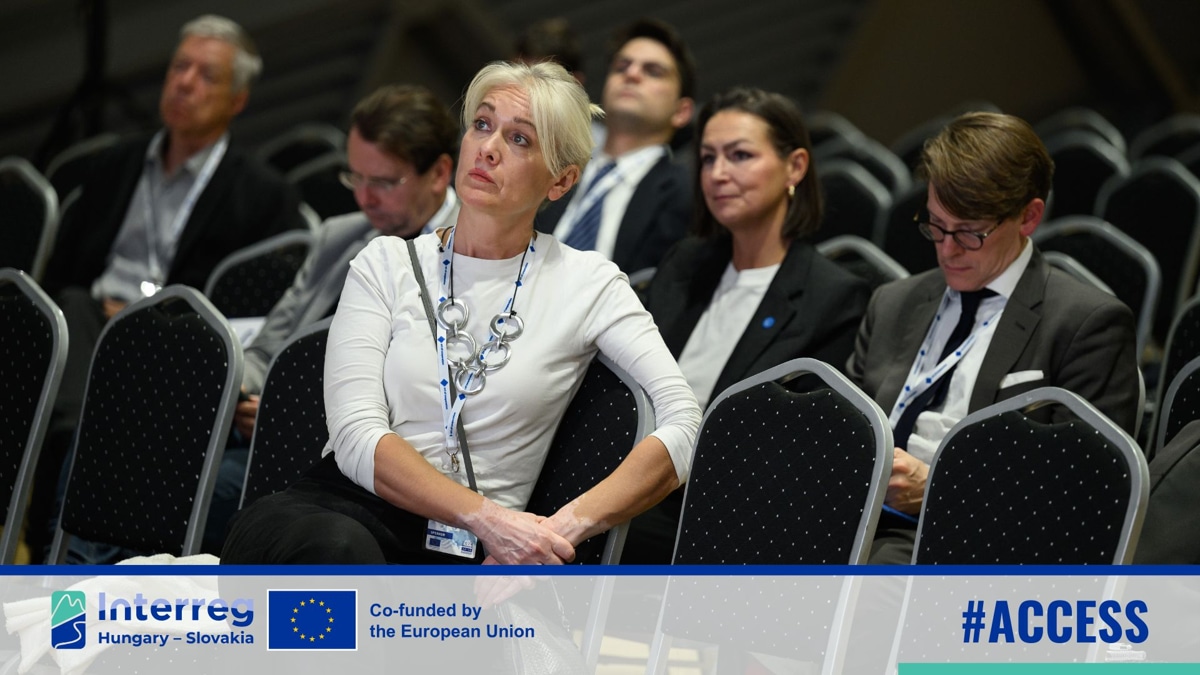
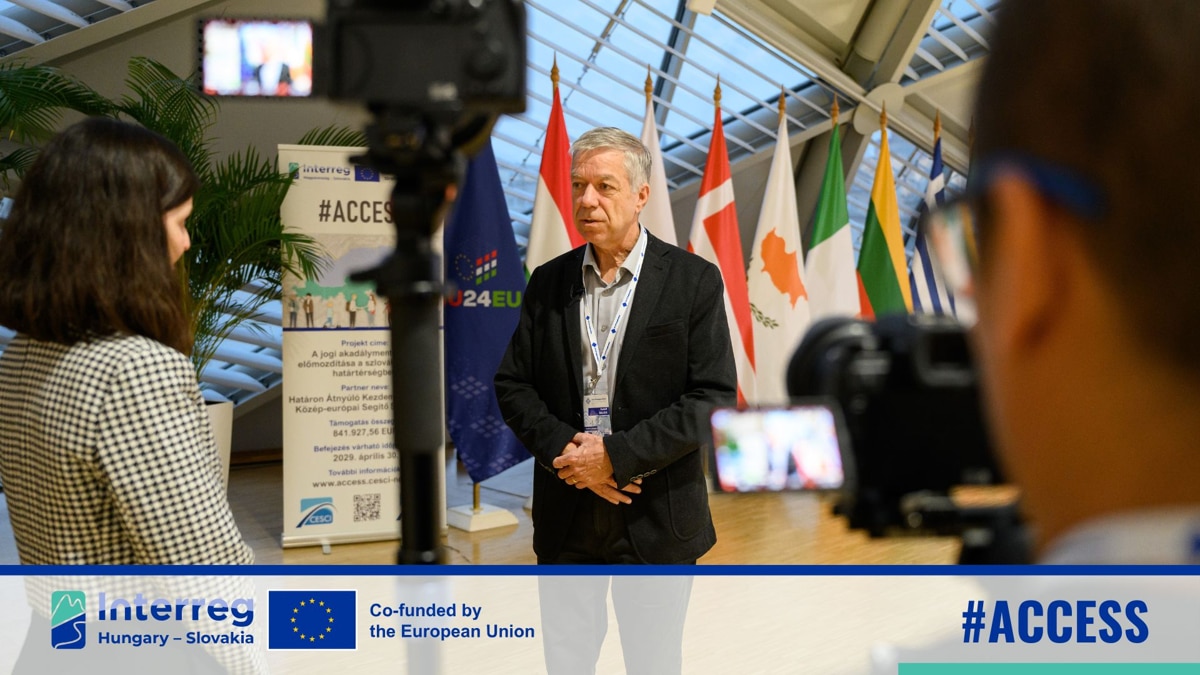
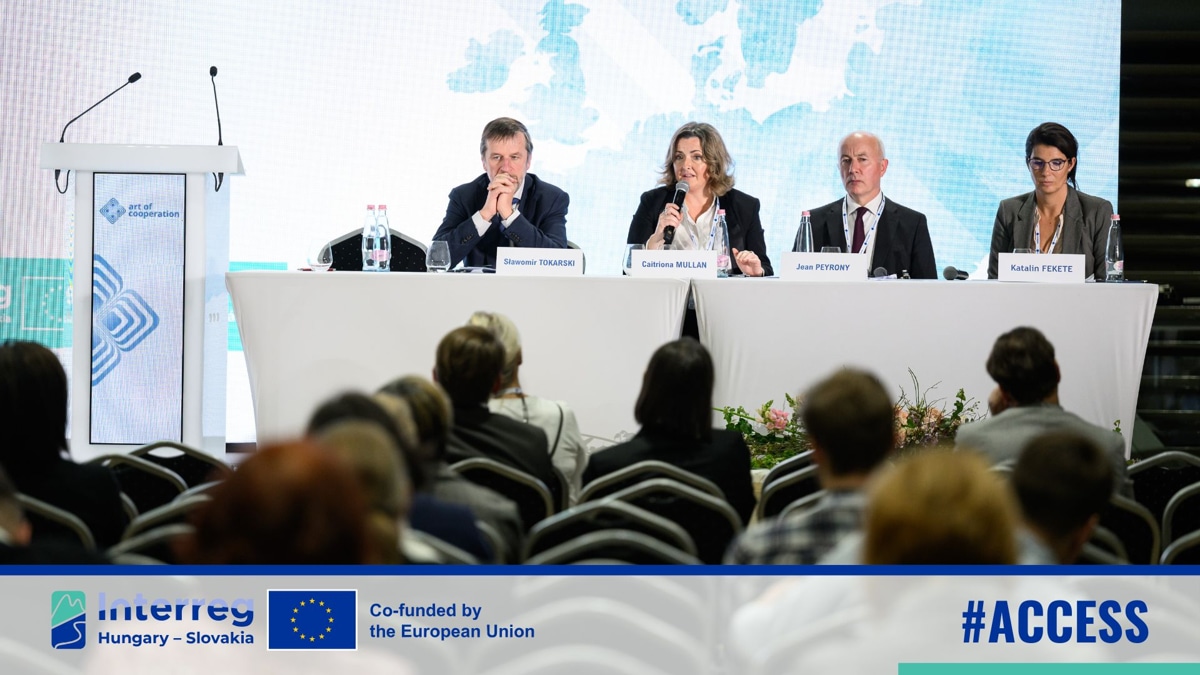
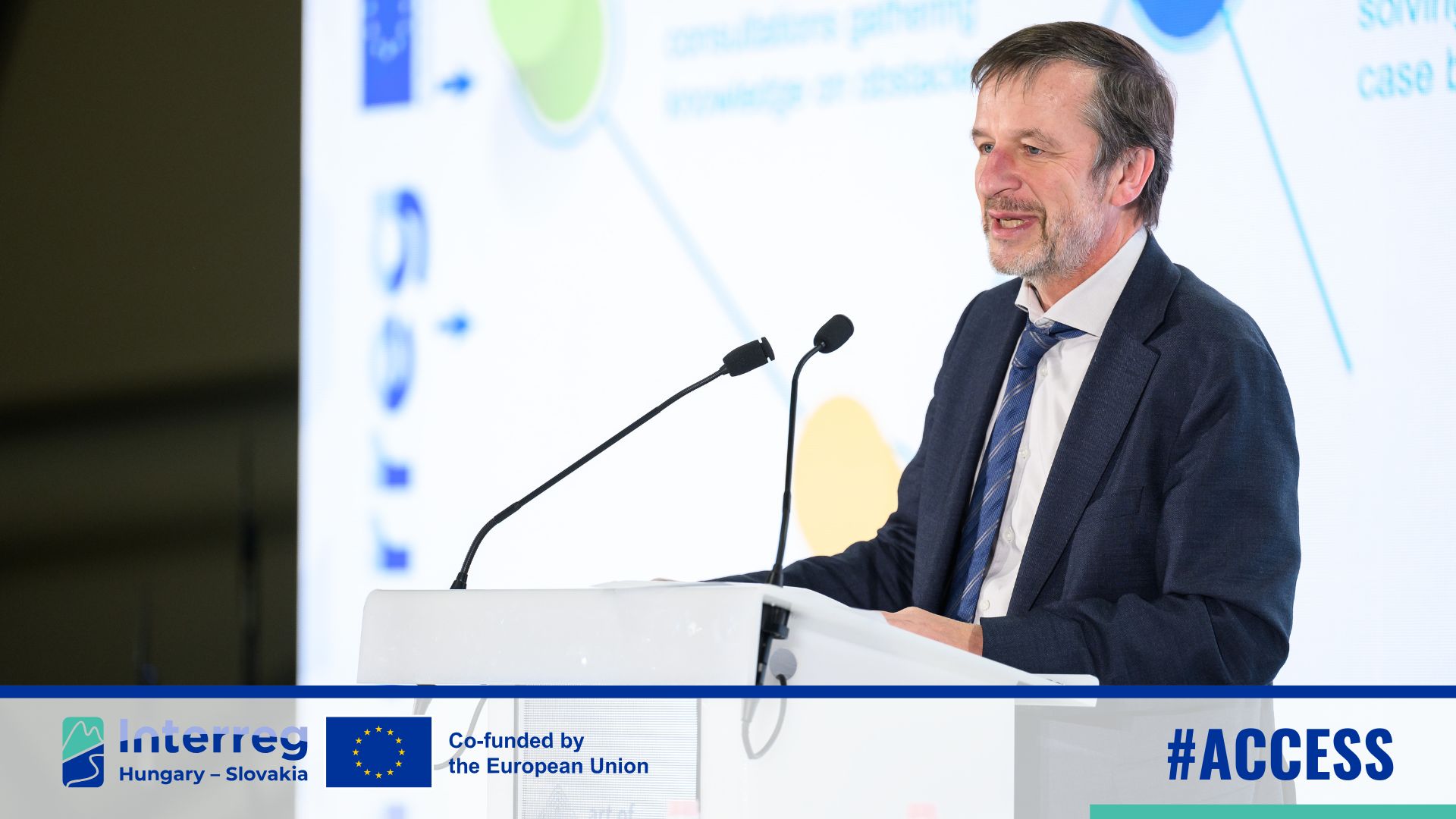
The second panel, titled ‘Towards a European solution for eliminating cross-border legal and administrative obstacles’ and moderated by Katalin Fekete, started with Sławomir Tokarski’s intervention, who is the Director of the DG REGIO (European Commission). He outlined the processes and tasks supported by the DG REGIO in setting the stage for Europe-wide cooperation in this field. He mentioned the milestones of their relevant activities:
He also explained the process of adopting the cross-border facilitation tool (FCBS) from the Council conclusion of 2015 calling for a cross-border convention through a European Cross-Border Mechanism (ECBM) until the Council mandate on FCBS reached in last October.
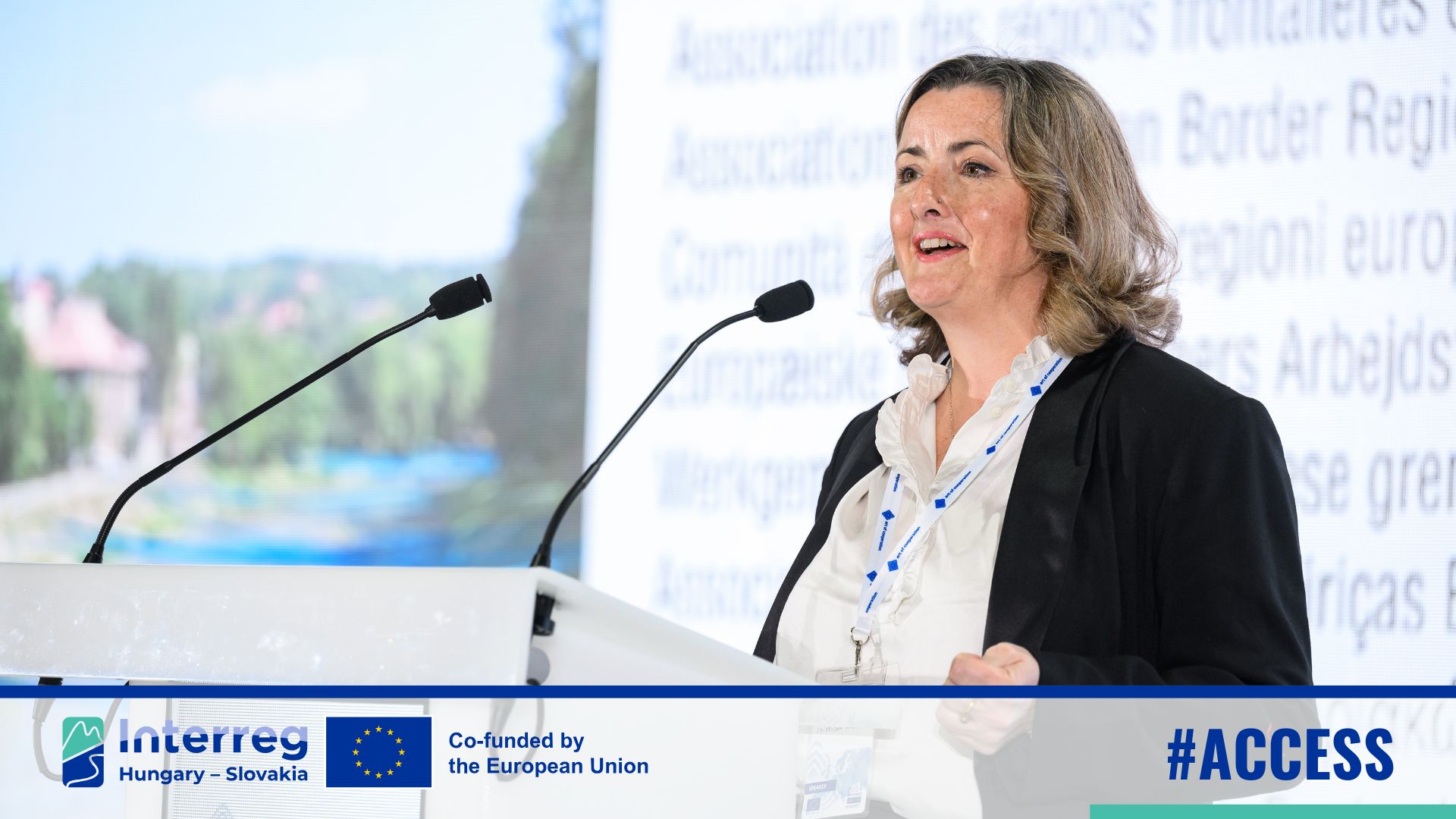
Caitriona Mullan, Senior Expert of the Association of European Border Regions (AEBR) provided a comprehensive introduction to the b-solutions initiative aiming to analyse border obstacles, and provide support for solving them since 2018. Not less than 165 cases have been analysed so far, which are presented in the 4 compendium reports published by AEBR.. The cases have been listed into four groups: institutional cooperation, public services, labour market and education, and the EU Green Deal.
Jean Peyrony, Director General of the Mission Opérationnelle Transfrontalière (MOT) spoke about the initiatives and projects analysing and solving obstacles, often with the participation of the MOT. He presented the prehistory of the FCBS tool which started with the Budapest Platform established in 2010 by French, Portuguese, Dutch and Hungarian organisations. The need for managing legal obstacles emerged in 2013, at a debate held in Brussels. In 2015, the Luxembourg presidency introduced the new initiative that led to the Cross-border Review project of the Commission. Another major step was the mapping of obstacles by ISIG in the request of the Council of Europe, where they described the nature of persisting obstacles including many legal or institutional ones. Finally, he briefly introduced the Aachen Treaty which was signed on 22 January 2019 by the French and German political leaders. It aimes to give competences and resources to local authorities and cross-border structures. Also, it expressed the need for creating a cross-border committee (CTT) focusing on cross-border observation, common strategy-making, obstacle monitoring, providing proposals, and the analysis of the impacts of new legislations. This method is also adopted on the French-Italian border in the frames of the project titled ALCOTRAITÉ initiating working groups, consultation, and territorial workshops.

The project is financially supported by the European Union,
within the framework of the Interreg Hungary – Slovakia Programme.
For more information visit www.skhu.eu.
The project is financially supported by the European Union,
within the framework of the Interreg Hungary – Slovakia Programme.
For more information visit www.skhu.eu.
 Challenges and Opportunities for Cross-Border Cooperation