Local products on both sides of the border: another expert consultation on reducing Hungarian-Slovak sales obstacle within the framework of the #ACCESS project
2026. January 14.


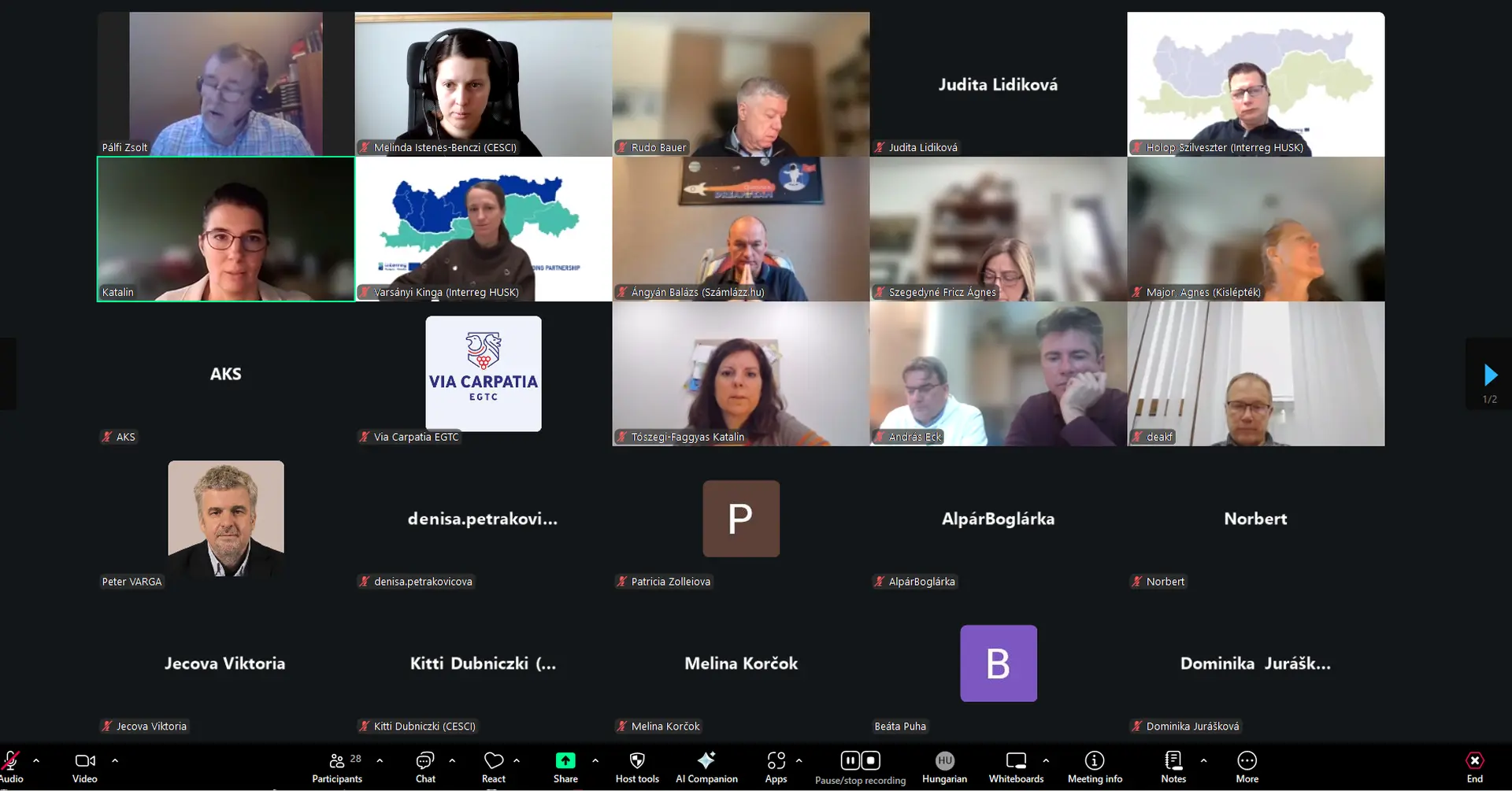
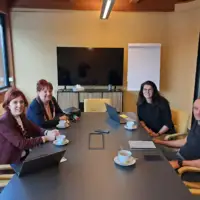
On January 13, 2026, we held a Hungarian-Slovak expert meeting on supporting the cross-border sales of local products produced in border regions. The aim of the event was for participants to jointly review the legal and practical obstacles that currently hinder the operation of small producers and short supply chains (SSCs) between the two countries, and to identify steps that can be taken to find solutions. The background to this is the shared recognition that local, high-quality food can be key to food security, the economy, and the community in more isolated border regions – but for this to happen, the regulatory and administrative environment must also function in a “realistic” manner.
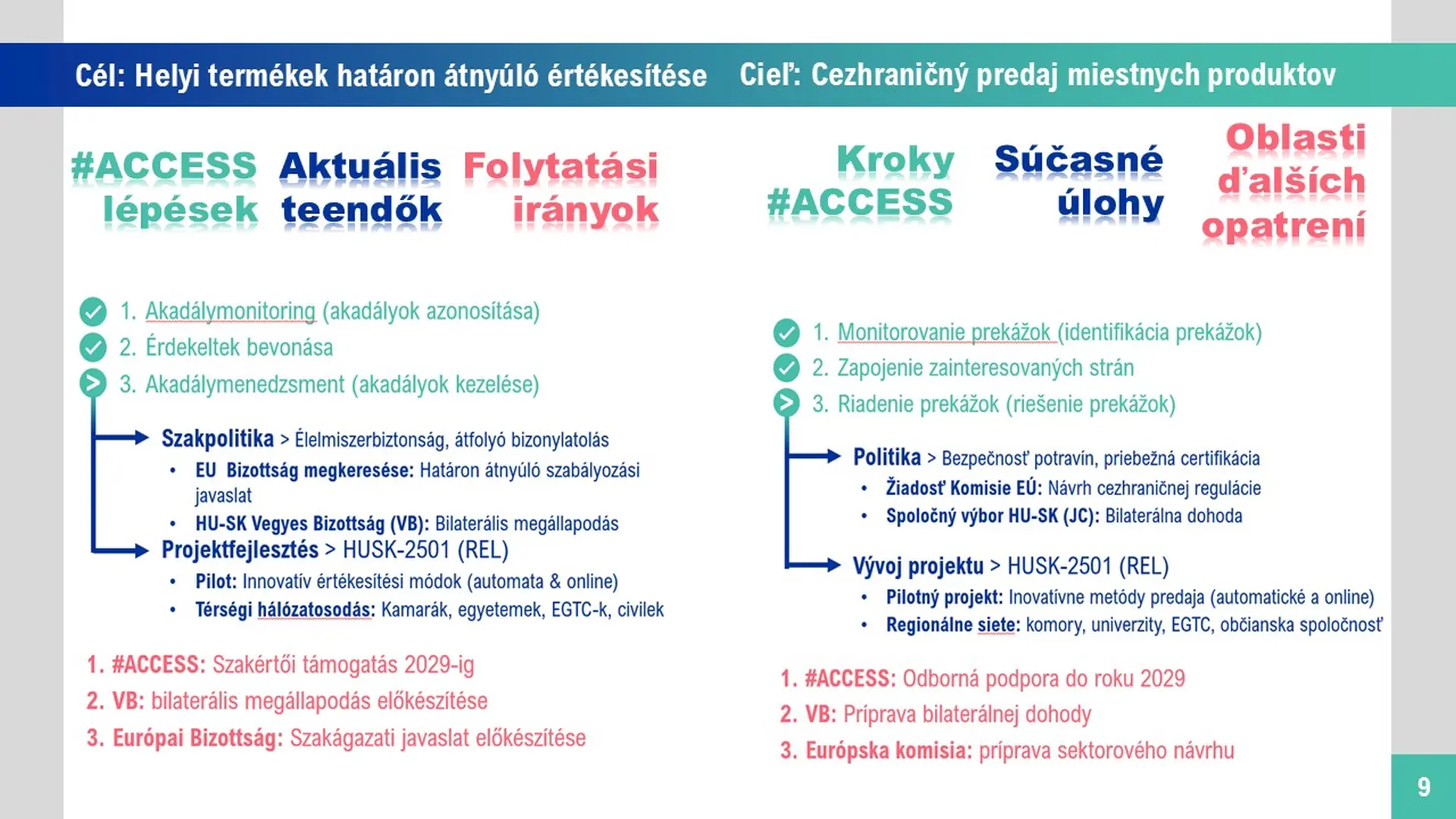
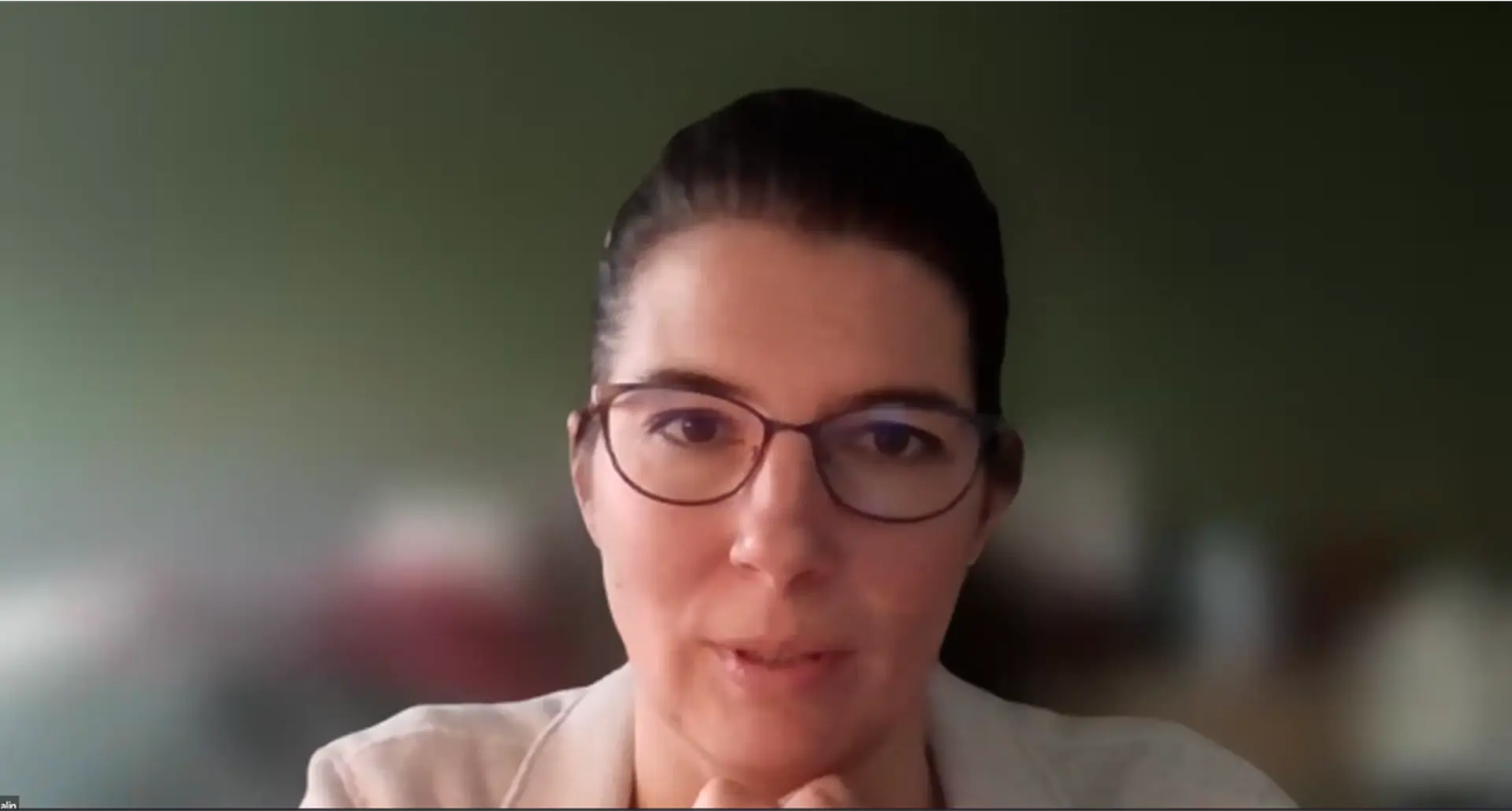
At the meeting, Dr. Katalin Fekete presented the 12 “sub-obstacles” that currently hinder cross-border sales solutions. The participants agreed that the greatest difficulty is caused not by a single rule, but by a combination of many small differences: food hygiene (in which the EU allows member states leeway on several points), territorial and quantitative restrictions, differing concepts (e.g. SSCs, small producers), taxation, and documentation are all areas where the border acts as a real dividing line. Particular emphasis was placed on the fact that innovative forms of sales – such as vending machines, community systems, and multi-producer sales points – often raise the most complex administrative issues.
During the meeting, several practical examples helped to clarify why it is critical to clarify invoicing and liability rules. Balázs Ángyán (számlázz.hu) explained that although Slovakia and Hungary operate within the same EU framework, their invoicing and data reporting systems may differ for years to come, and that multi-party transactions (platforms, intermediaries, automated sales) can only be conducted legally with prior agreements and well-designed operating models. An important element of the presentation was that the CEO outlined specific solutions to the documentation problems that had arisen, particularly in relation to the handling of e-receipts and “aggregated” documentation situations associated with innovative sales channels. The Foodora example clearly illustrated the logic: the consumer sees one order, but in the background there are several services (food, delivery, intermediation) and several players – yet they typically receive a single invoice because the parties settle the invoicing costs within a contractual framework.
When examining cross-border opportunities, Mgr. Eva Janičková elaborated in-depth legal analysis, in which she reviewed the differences between Slovak, Czech, and Hungarian regulations, particularly in terms of sales channels, quantity limits, and the preservation of “local character.” In the closing part of the consultation, participants focused on the next steps. Szilveszter Holop (Interreg HUSK Joint Secretariat) highlighted the risk for project developers when infrastructure is built (vending machines, markets, platforms) but there is no organised producer network, logistics, or demand behind it – this can undermine confidence in EU funds in the long term. Dr. Szegedyné Fricz Ágnes and Deák Ferenc emphasised that the practical guides (small producer and hospitality guides) are currently being updated, and it would be worthwhile to summarise the bilateral experiences in a joint, bilingual community guide. The participants also put the preparation of a study trip to Austria on the agenda so that the proposals could be further refined on the basis of best practices.

The project is financially supported by the European Union,
within the framework of the Interreg Hungary – Slovakia Programme.
For more information visit www.skhu.eu.
The project is financially supported by the European Union,
within the framework of the Interreg Hungary – Slovakia Programme.
For more information visit www.skhu.eu.
 Expert interview with számlázz.hu on e-receipts and compliance for small ...