The series of the first reference group launched in Győr
06 February 2024

Implemented by the Central European Service for Cross-Border Initiatives (CESCI) and CESCI Carpathia, the #ACCESS Project, running between 2023 to 2029 aims to identify and eliminate obstacles that impede cross-border activities, mobility and integration. As part of these efforts, a series of reference group workshops are being organised in order to channel the experiences of the urban centres located close to the border. The first workshop was held on 25 January, 2024 in Győr.
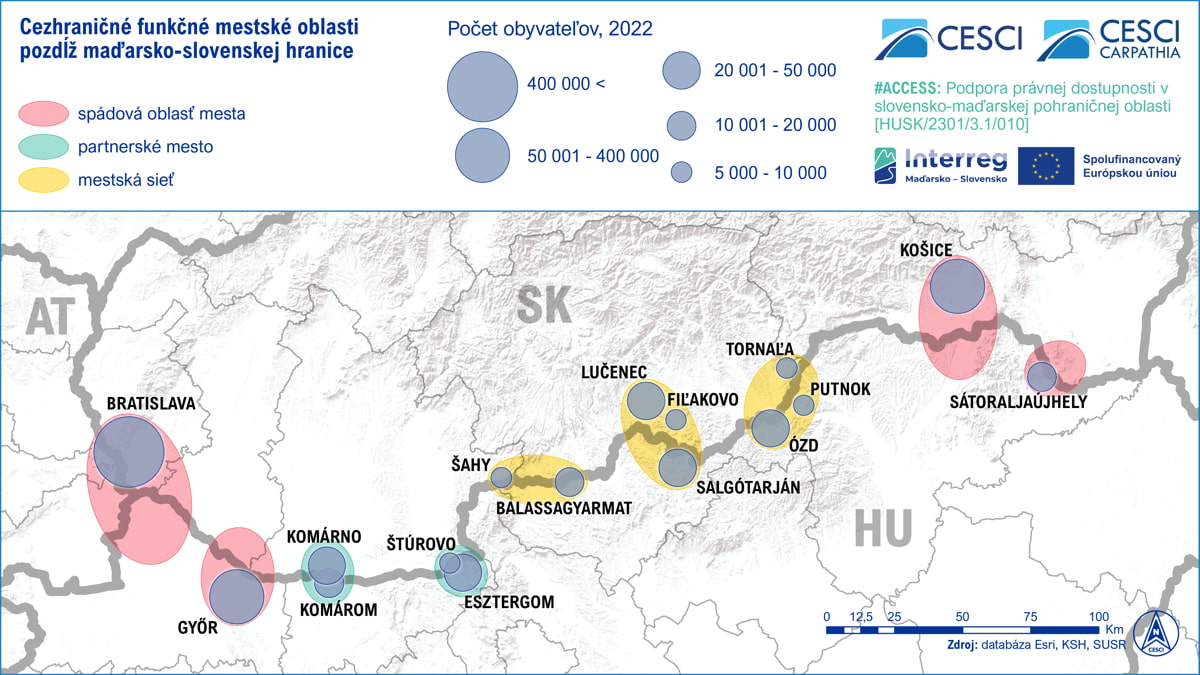
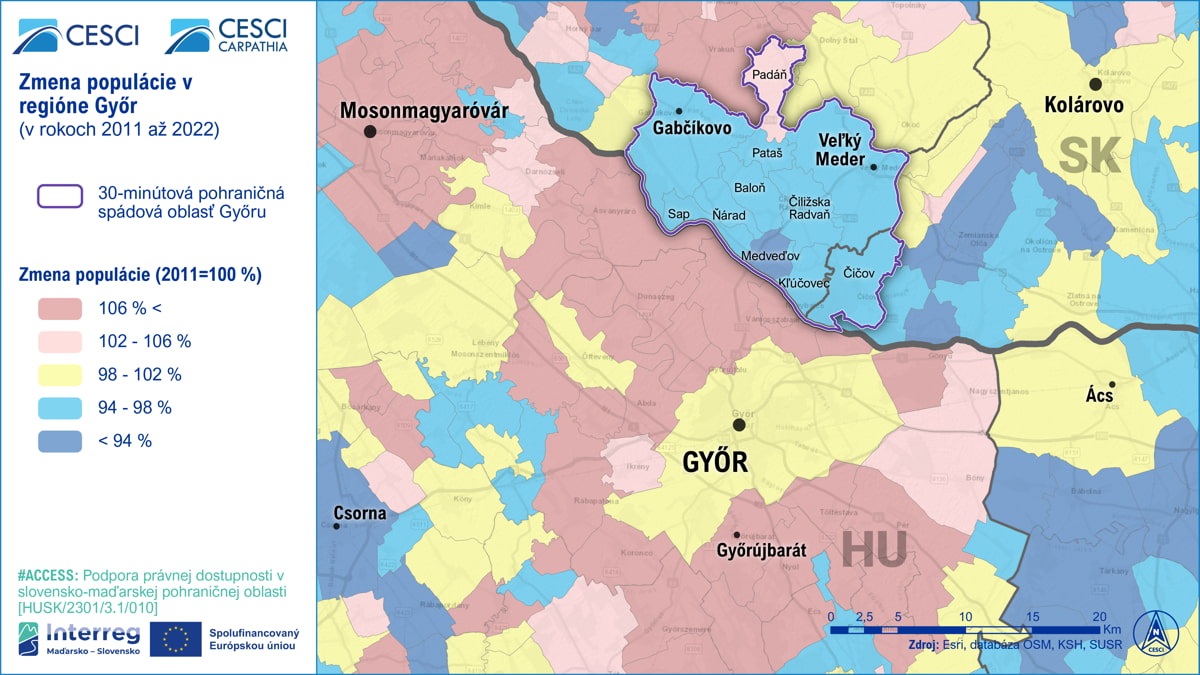
Within the framework of the #ACCESS Project, the reference groups to be set up along the Hungarian-Slovak border, are aimed at to reveal the unique dynamics of cities whose functional urban areas extend across national boundaries. These areas are hotspots of cross-border mobility and interaction, making them crucial for the project’s objectives. A primary goal is to pinpoint obstacles that impede stronger functional integration, thereby enabling the development of targeted strategies to effectively address these challenges. Furthermore, these groups are instrumental in coordinating and discussing potential projects that can fortify cooperation and eliminate the identified obstacles.
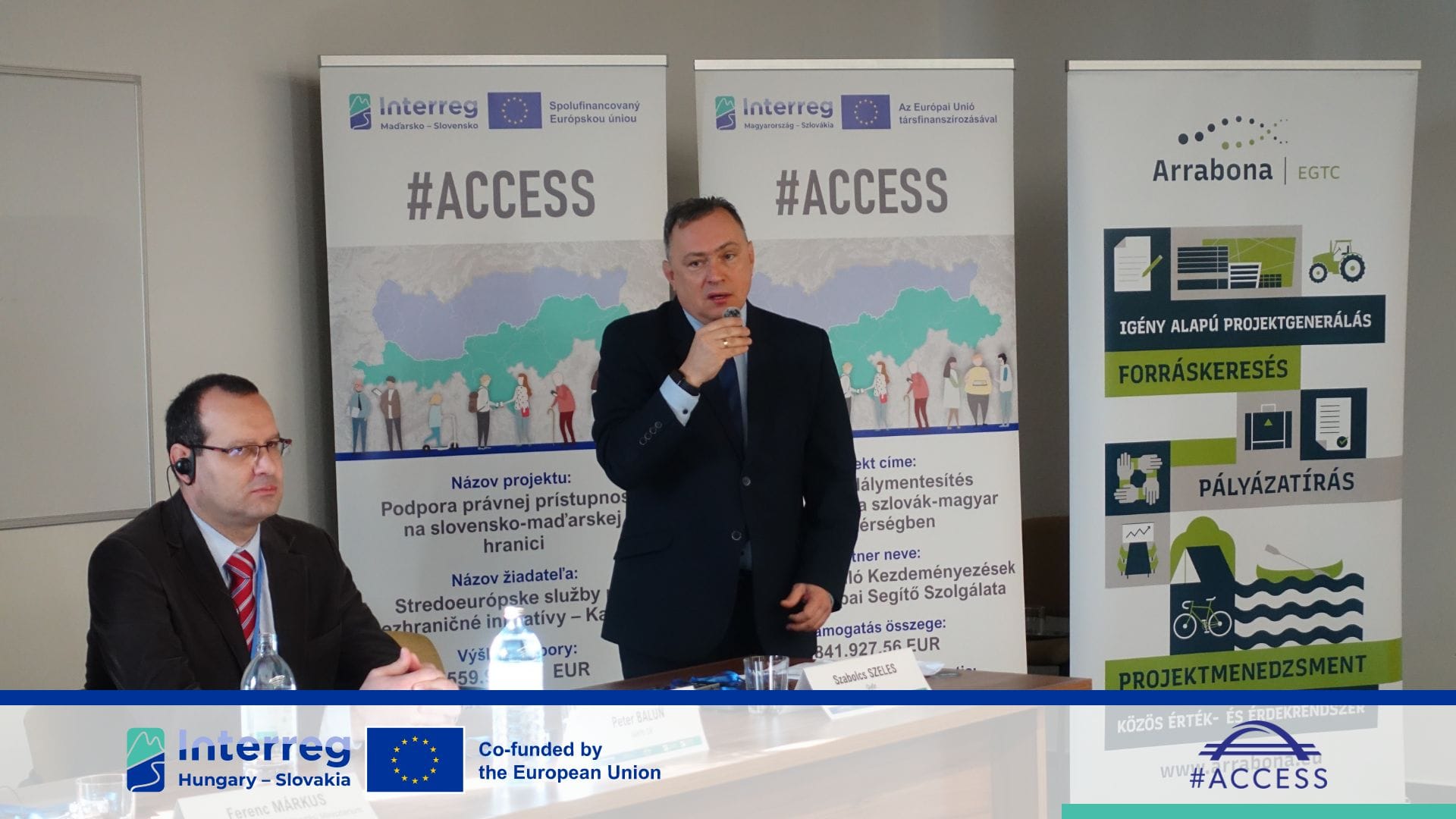
On January 25, 2024, the first edition of the series of reference groups was held in the Olympic Sports Park in Győr. The event convened prominent figures, including Győr’s Deputy Mayor Szabolcs Szeles, Ferenc Márkus Chief policy advisor of the Hungarian Ministry of Public Administration and Spatial Development and Peter Balún, Head of department at the Slovak Ministry of Investment, Regional Development and Information Technology all of whom greeted the participants.
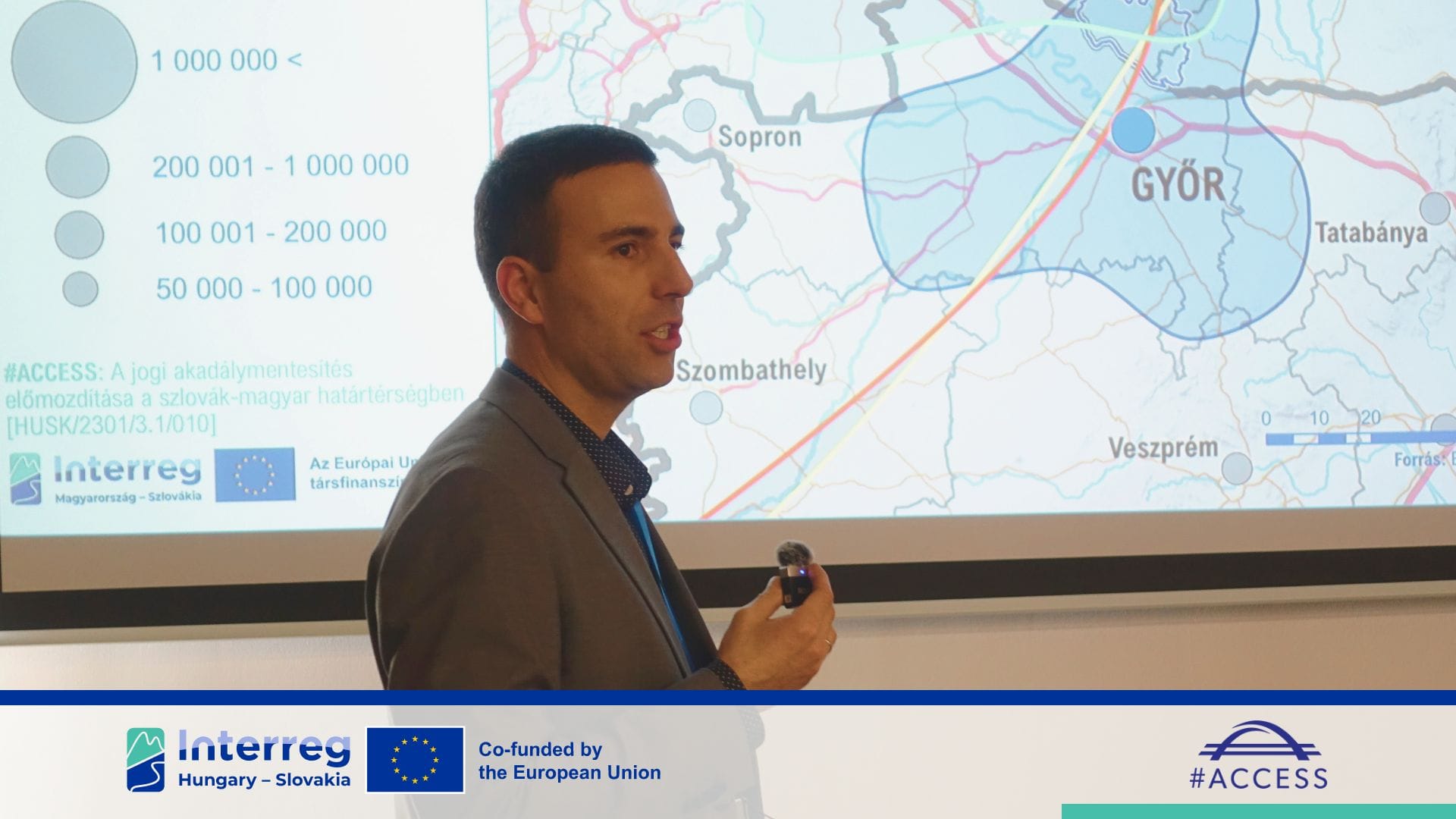
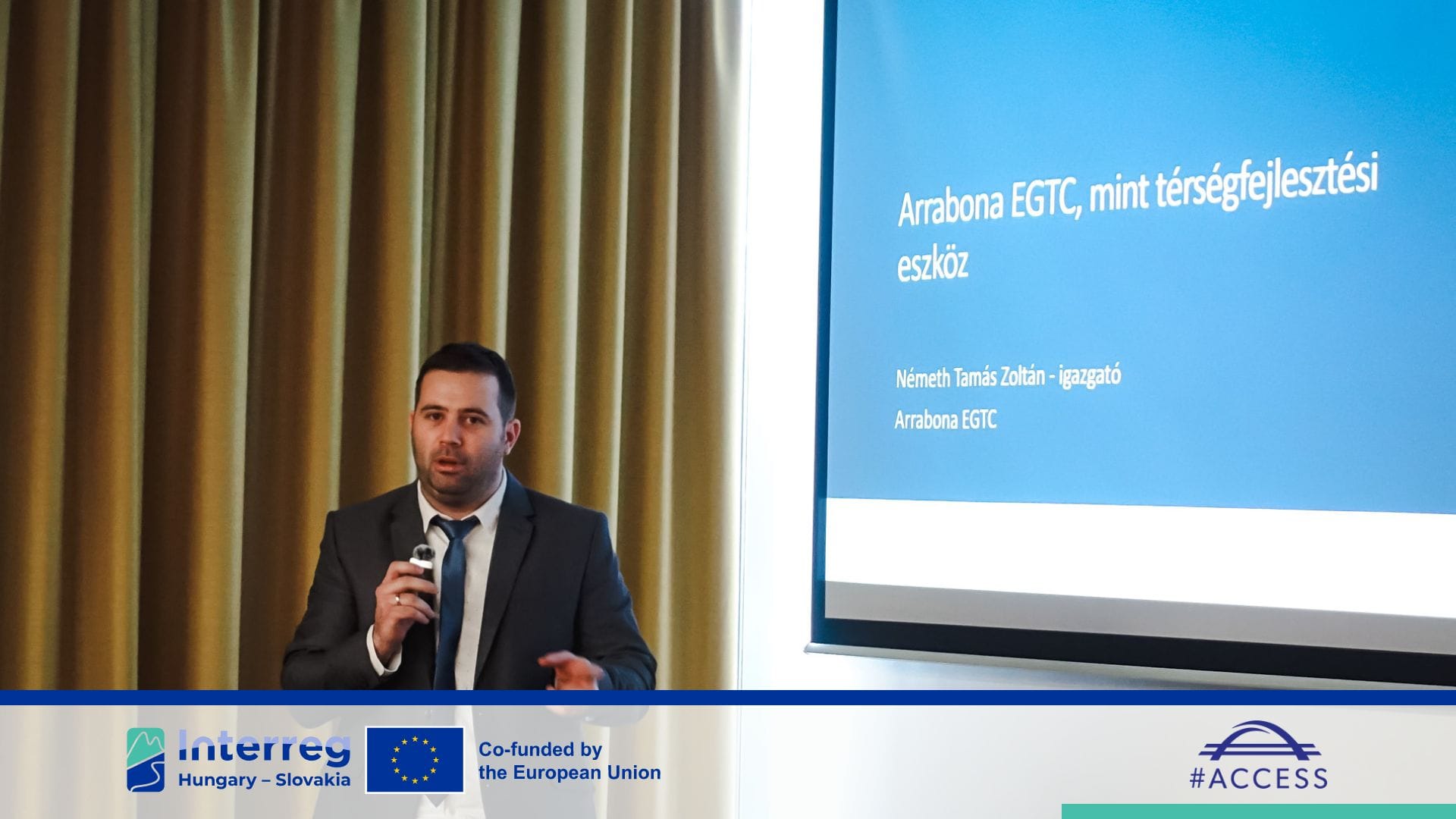
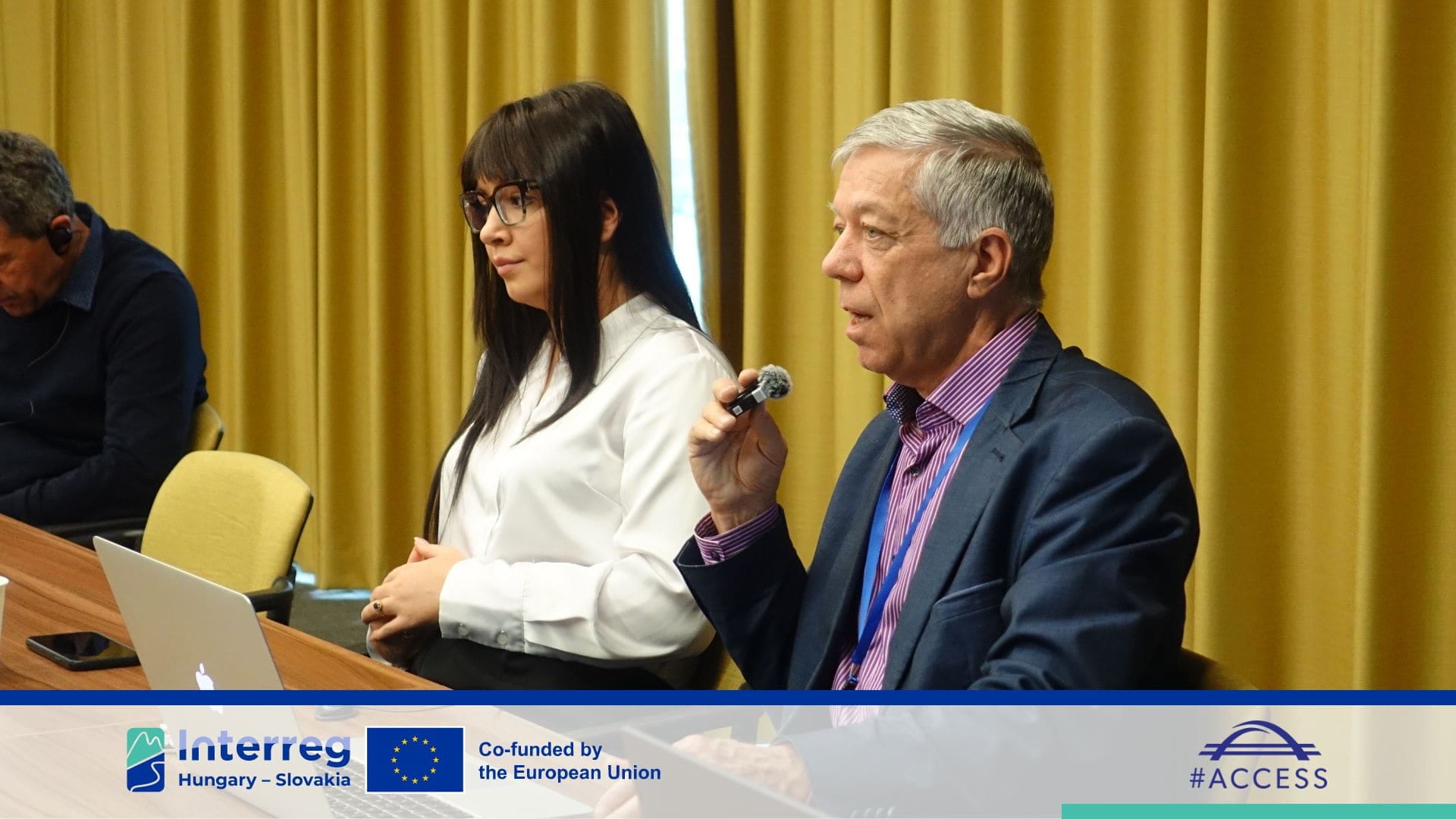
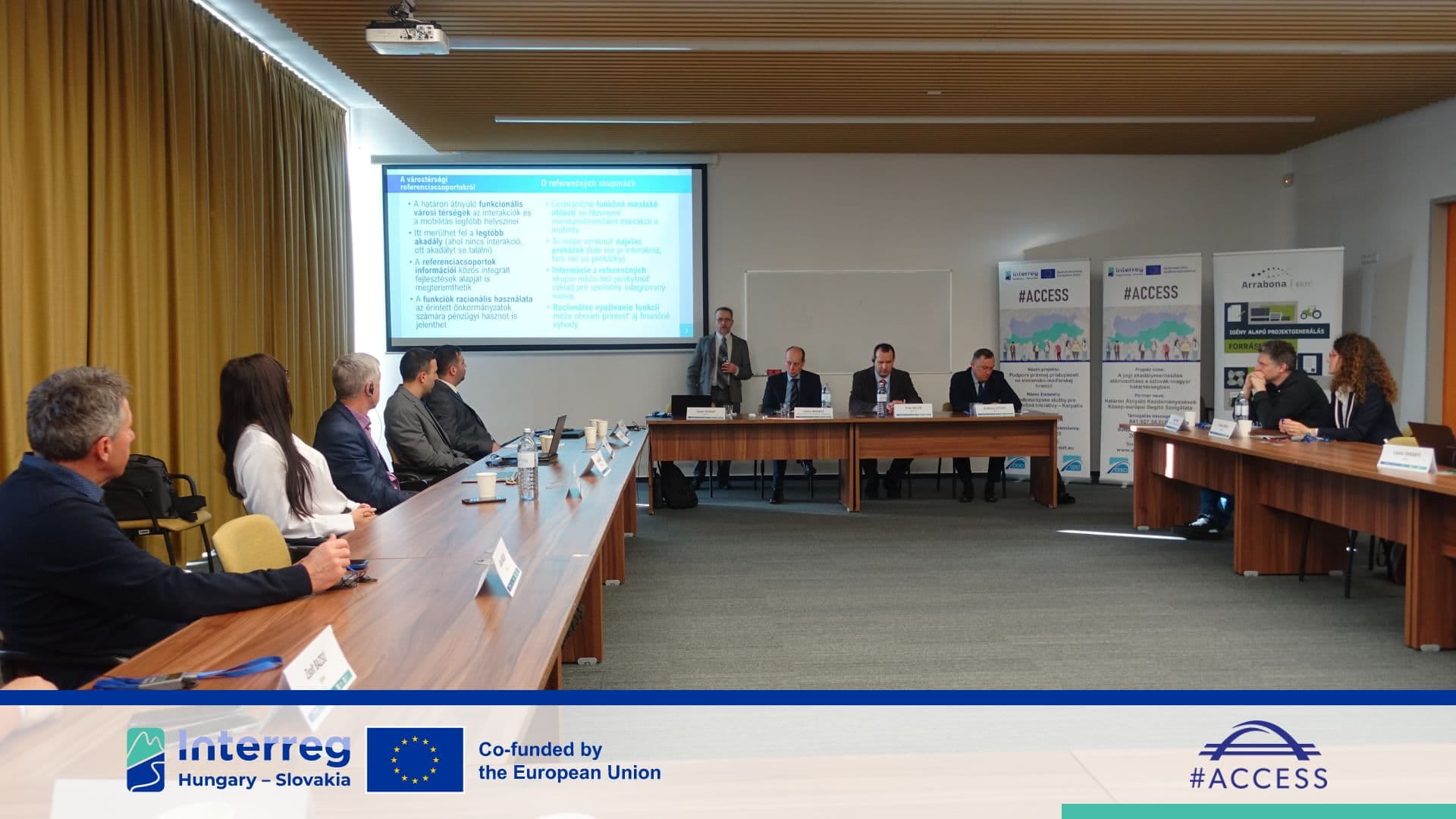
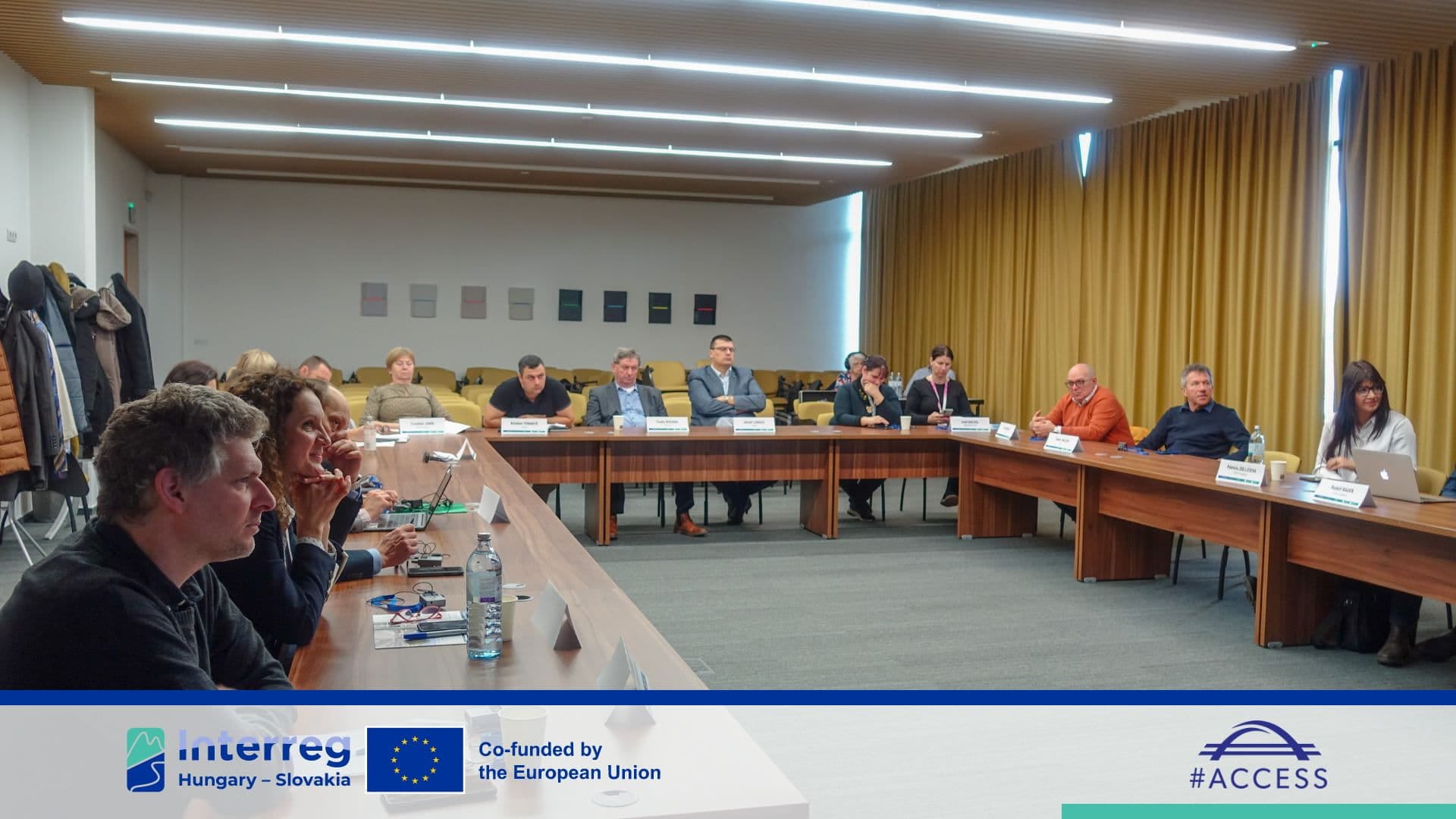
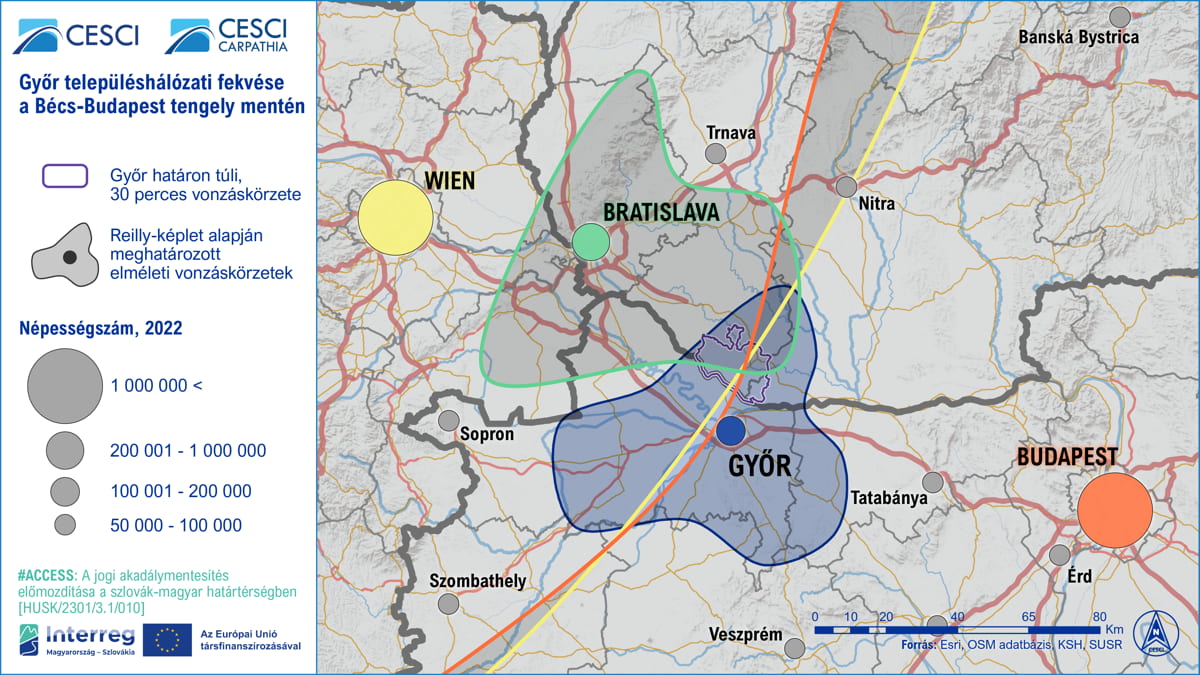
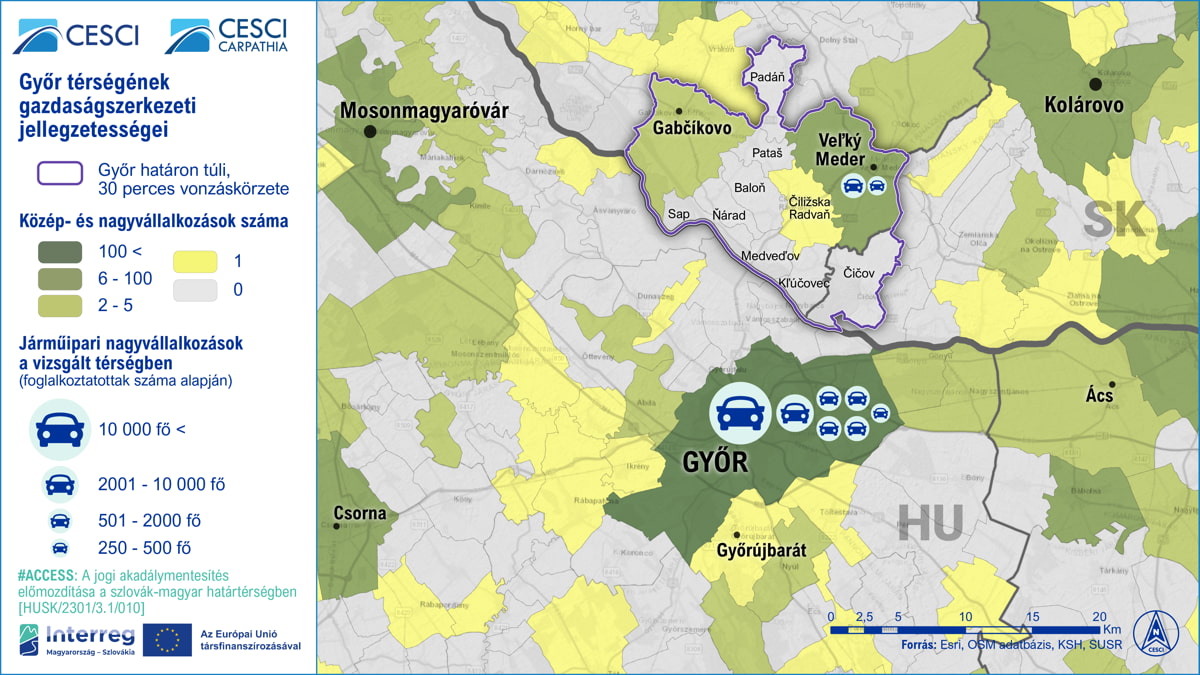
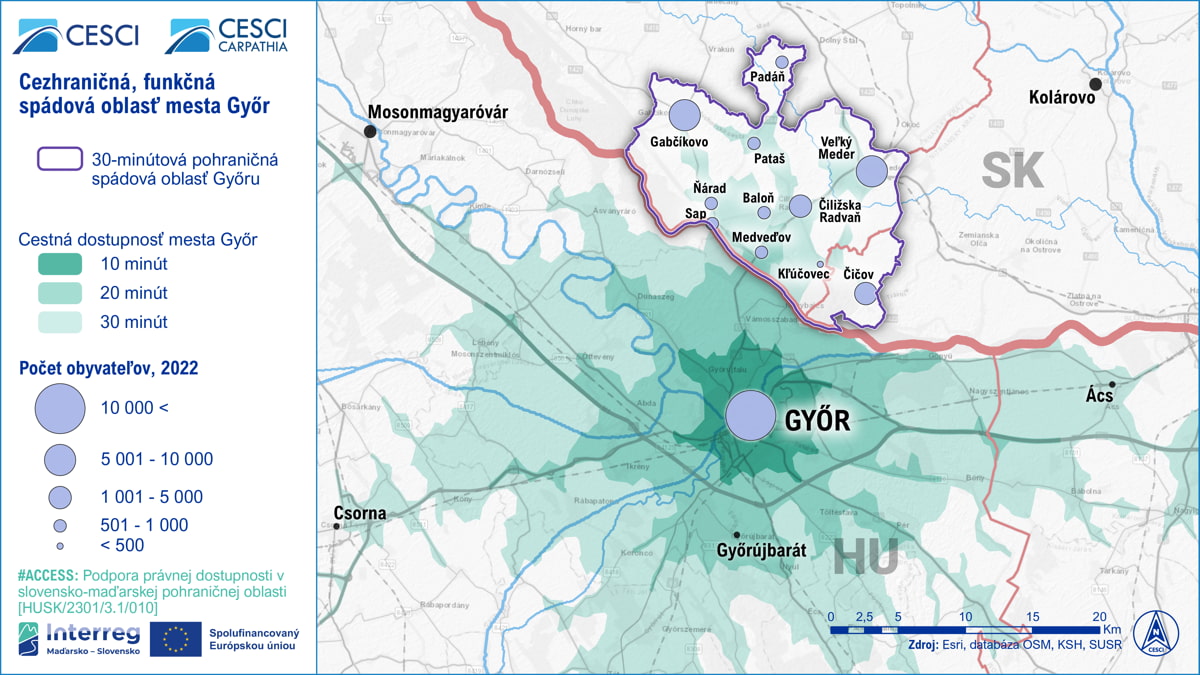
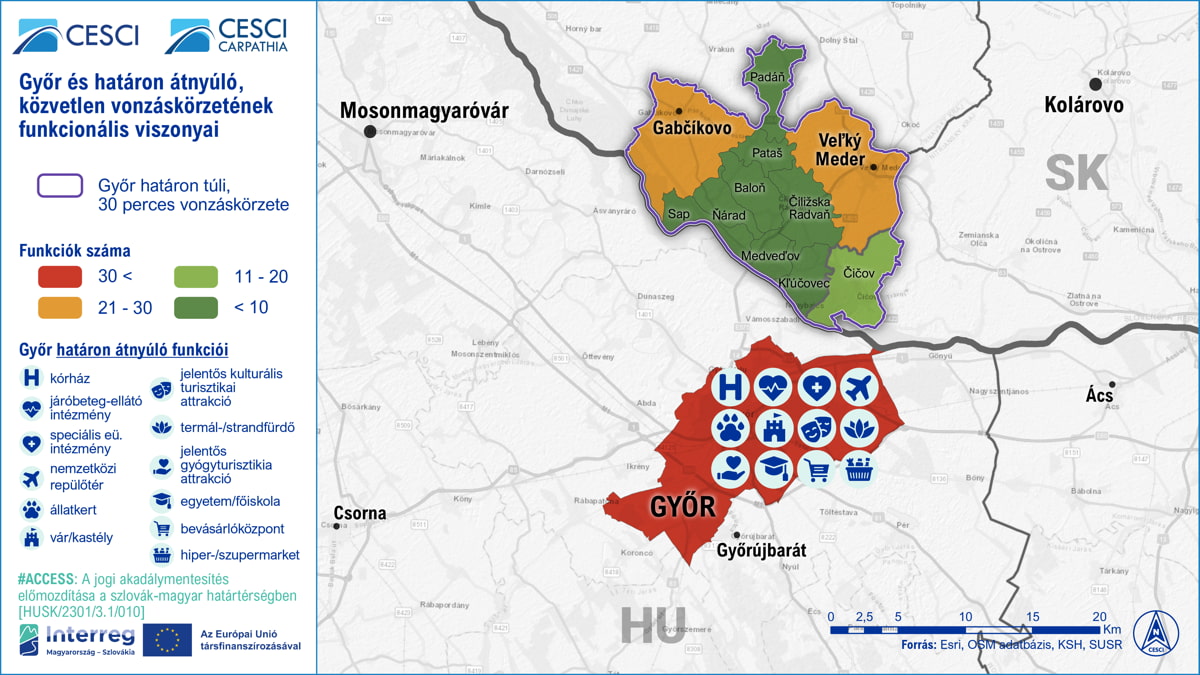
The backbone of the workshop was the comprehensive and compact background material prepared by CESCI in both Hungarian and Slovak. The document set the stage for in-depth discussions, covering critical topics such as Győr’s central role in functional urban dynamics and the main characteristics of cross-border metropolitan influencing zones. The material – which is publicly available – also delves into potential areas of cross-border integration and cooperation, highlighting opportunities for enhanced collaboration. The main findings were presented by CESCI”s Director Mátyás Jaschitz after the presentation of the ACCESS project itself by CESCI’s Secretary-General Gyula Ocskay. Additionally, Arrabona EGTC’s Director Tamás Németh introduced the organisation as a tool for regional development, emphasising its significance in fostering cross-border partnerships and projects.
The workshop facilitated an in-depth exploration of specific problems, such as the operation of public transport services, linguistic problems, tourist and transport infrastructure, cross-border service of fire brigades, and the different competences of local and regional municipalities. As the workshop progressed, there was a unanimous recognition of the need for both governmental and non-governmental participation in resolving the identified challenges. The series of workshops continue in further cross-border functional zones.

The project is financially supported by the European Union,
within the framework of the Interreg Hungary – Slovakia Programme.
For more information visit www.skhu.eu.
The project is financially supported by the European Union,
within the framework of the Interreg Hungary – Slovakia Programme.
For more information visit www.skhu.eu.

 Reference group in Komárno (closed workshop)