Summary of the Košice Reference Group Meeting
13 March 2024

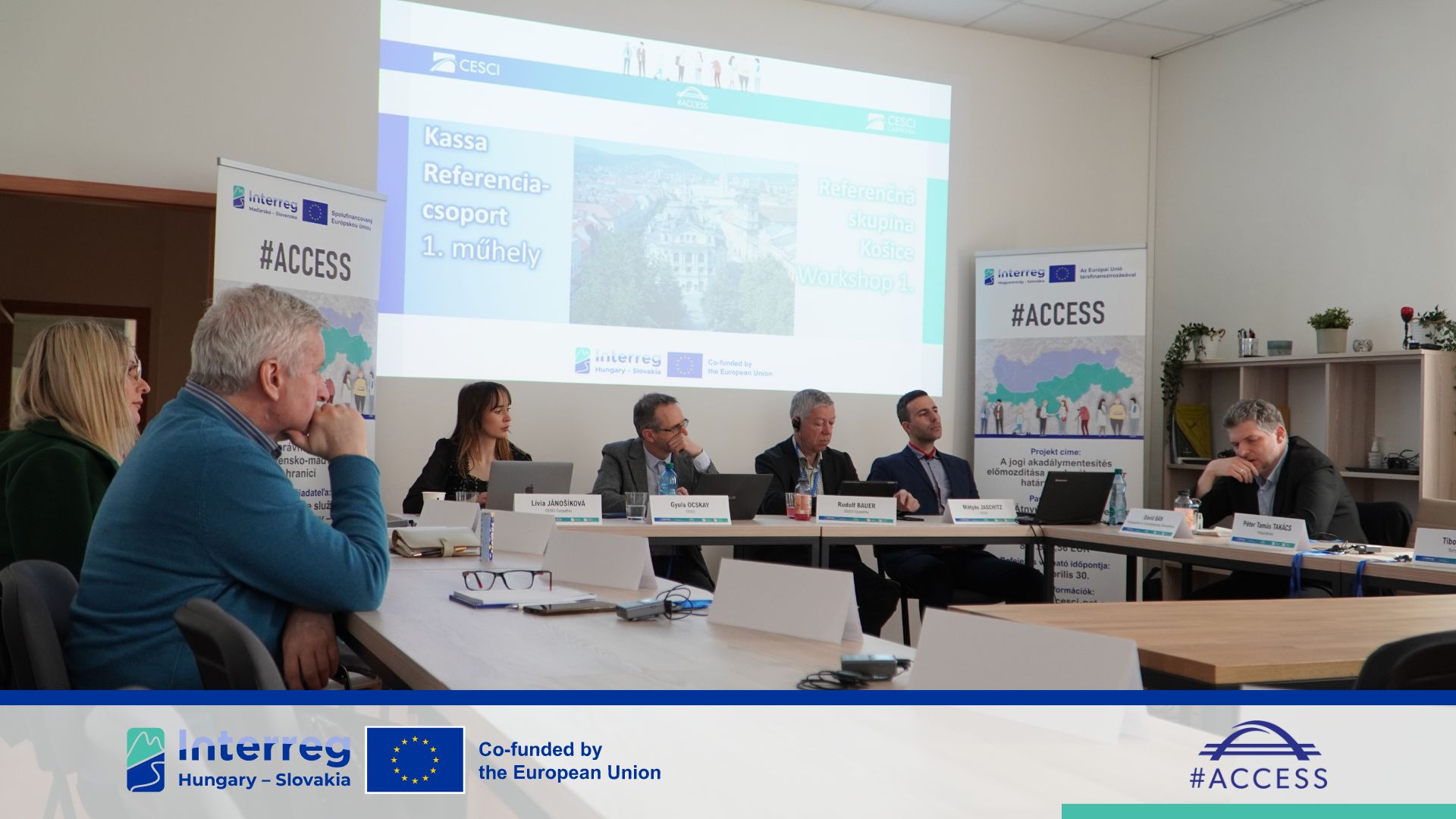
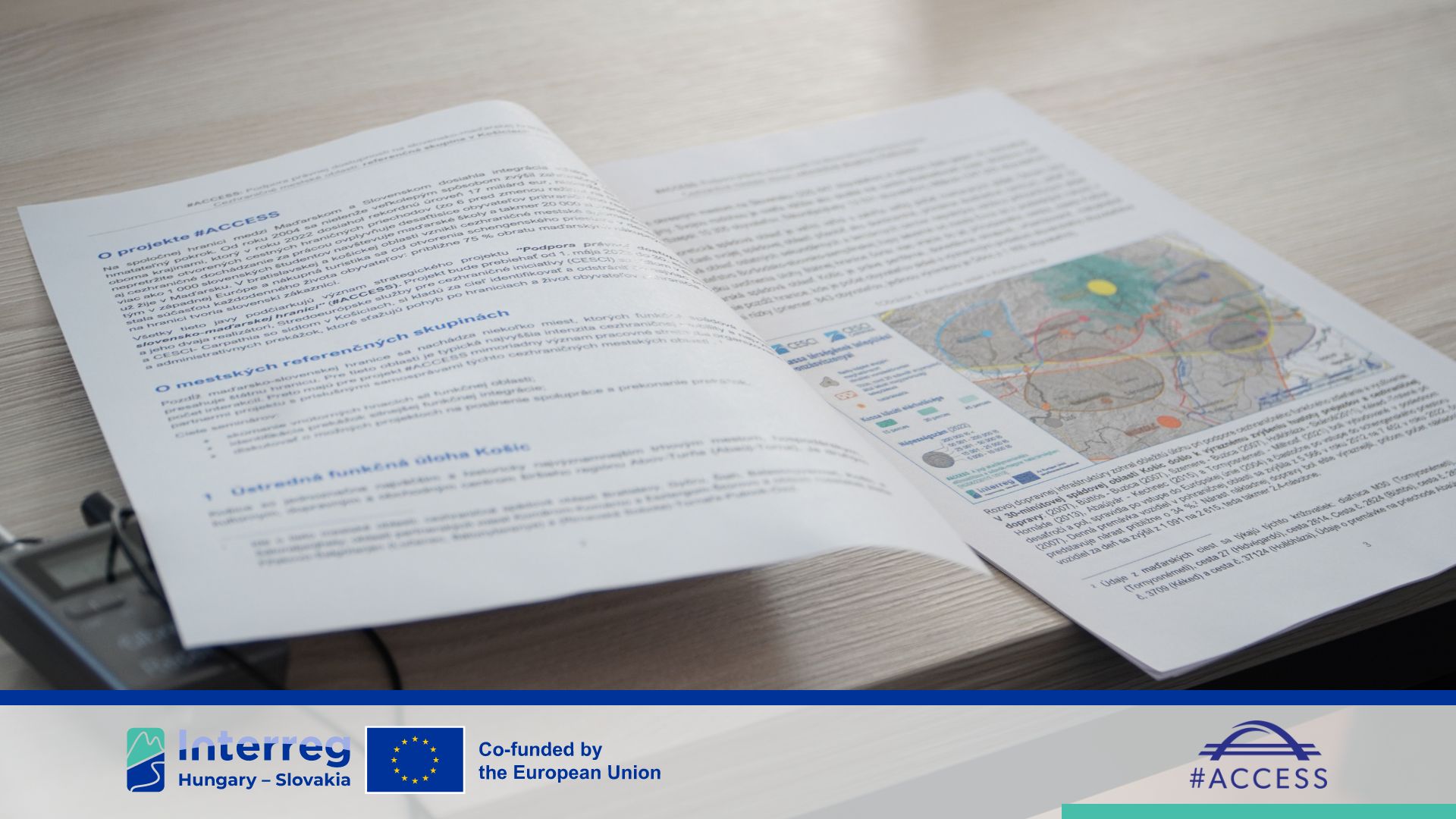
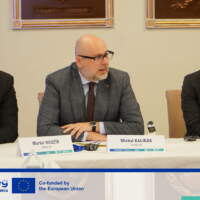
The reference group on 6 March 2024 held at Košice marked the next step of the #ACCESS project. Designed to identify and address barriers to cross-border interactions, the project aims to facilitate cooperation among stakeholders in border regions. The workshop brought together key stakeholders to explore ways to address shared challenges and capitalise on opportunities in the Košice region, shedding light on critical areas requiring attention and concerted efforts.
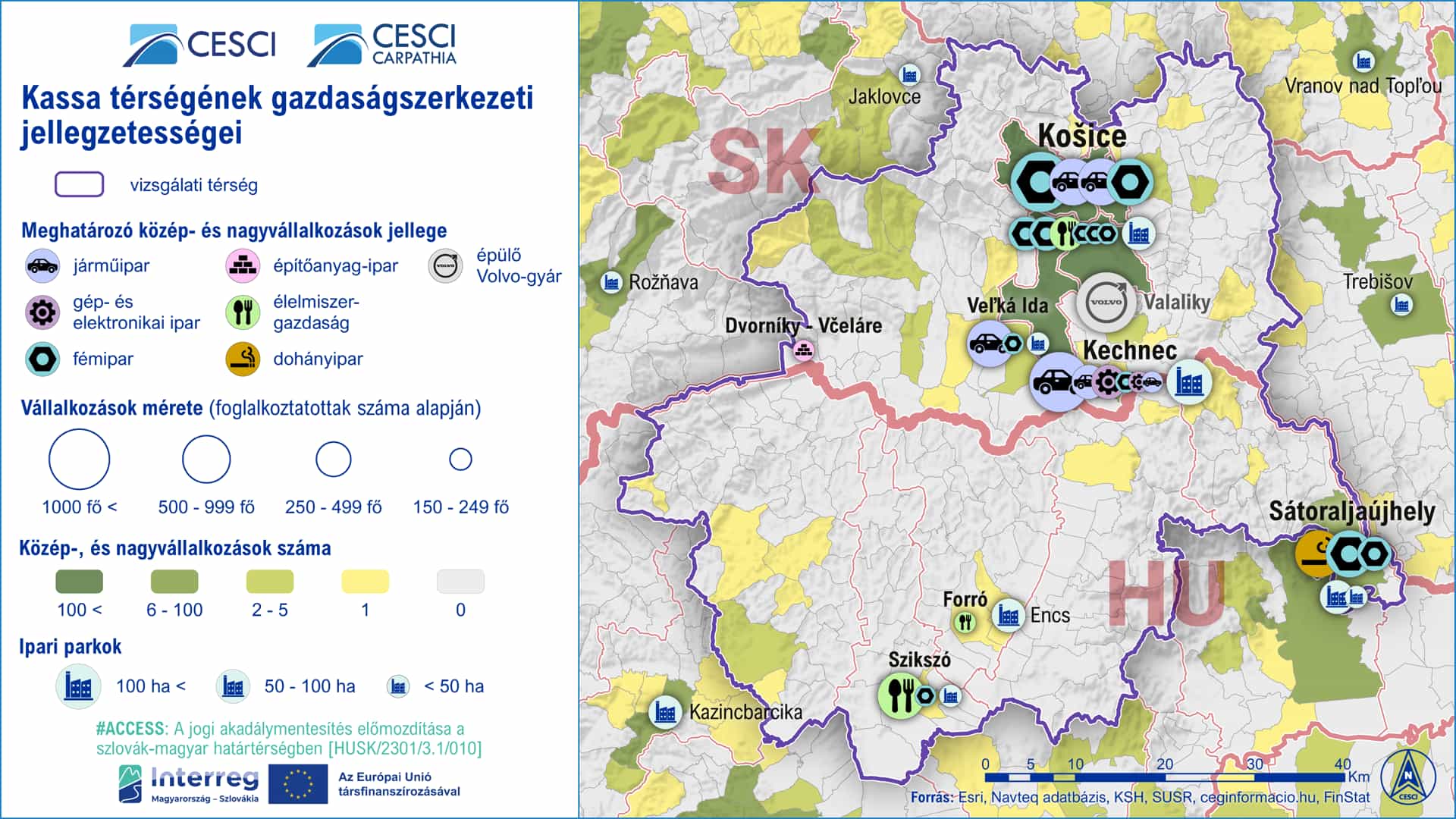
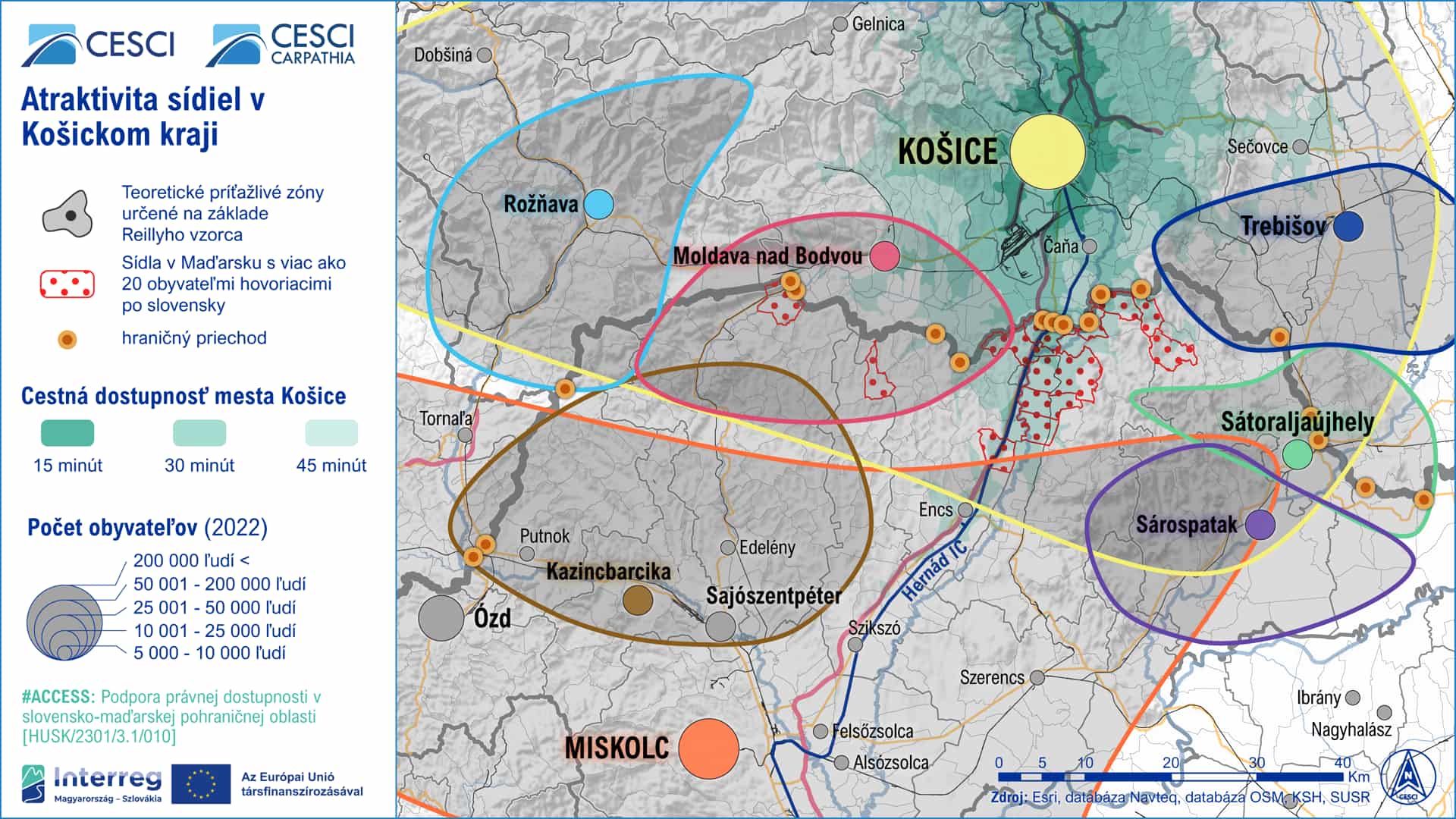
Despite historical ties, closer collaboration between Košice and its neighbouring regions beyond the city limits has not been a common practice so far. However, recent developments, including the establishment of the Volvo factory and the need for restructuring the regional public transport system, have brought functional planning into focus, encompassing over 40 municipalities based on commuting patterns.
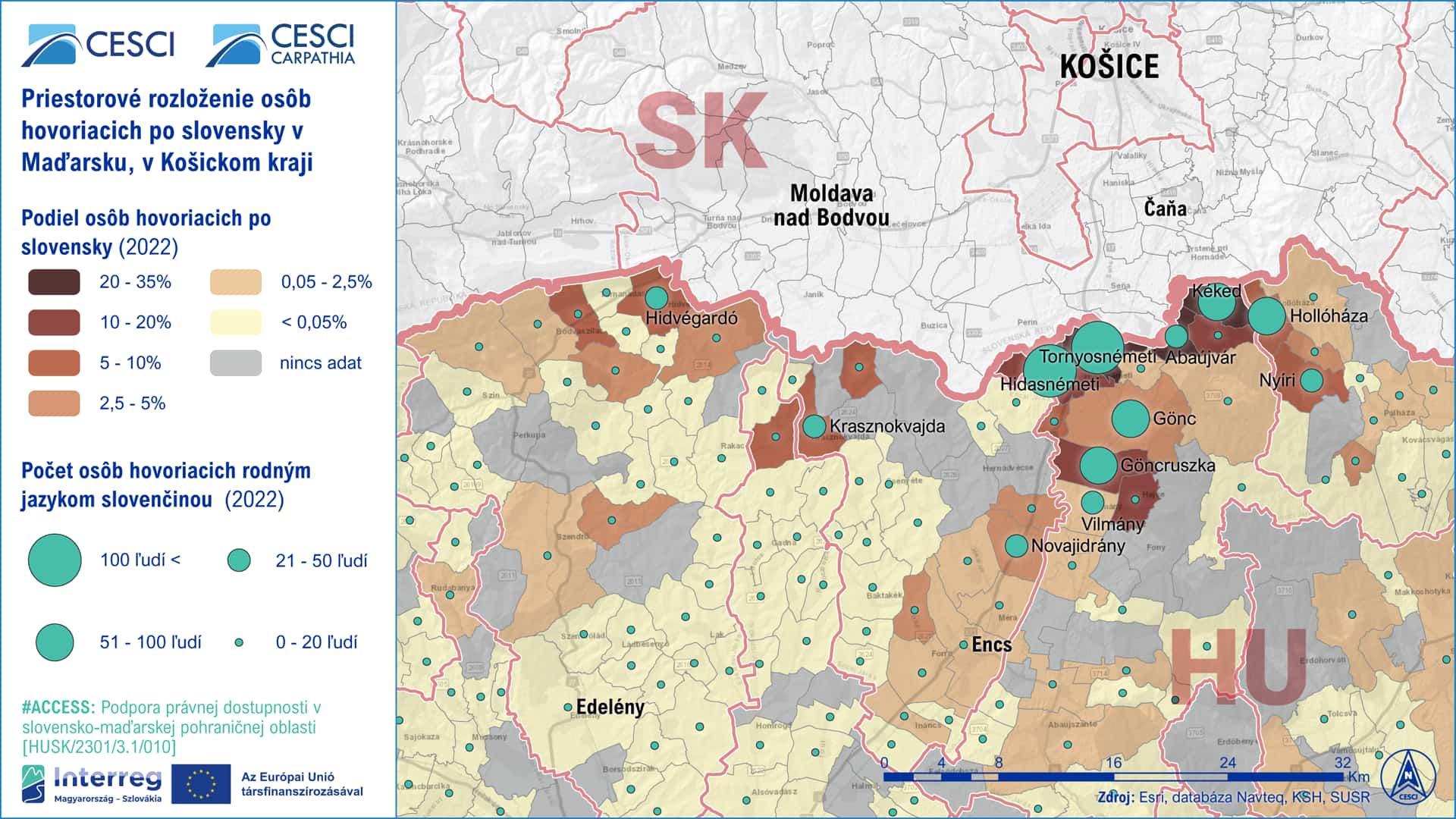
The growing phenomenon of residential mobility extends beyond Košice and its vicinity, with residents relocating from even distant Slovak districts to the Hungarian side. Concurrently, Košice residents are gradually embracing Hungarian services, particularly shopping centres, restaurants, and recreational facilities. Nevertheless, there is a potential for Košice’s healthcare facilities to serve patients from Hungary, enhancing cross-border accessibility to healthcare services.
One of the region’s primary challenges lies in improving public transport to accommodate increasing mobility needs. The existing Košice-Hidasnémeti line exemplifies how local and international lines’ characteristics can be combined effectively. However, weight restrictions on border crossing roads hinder bus traffic, necessitating amendments to intergovernmental agreements.

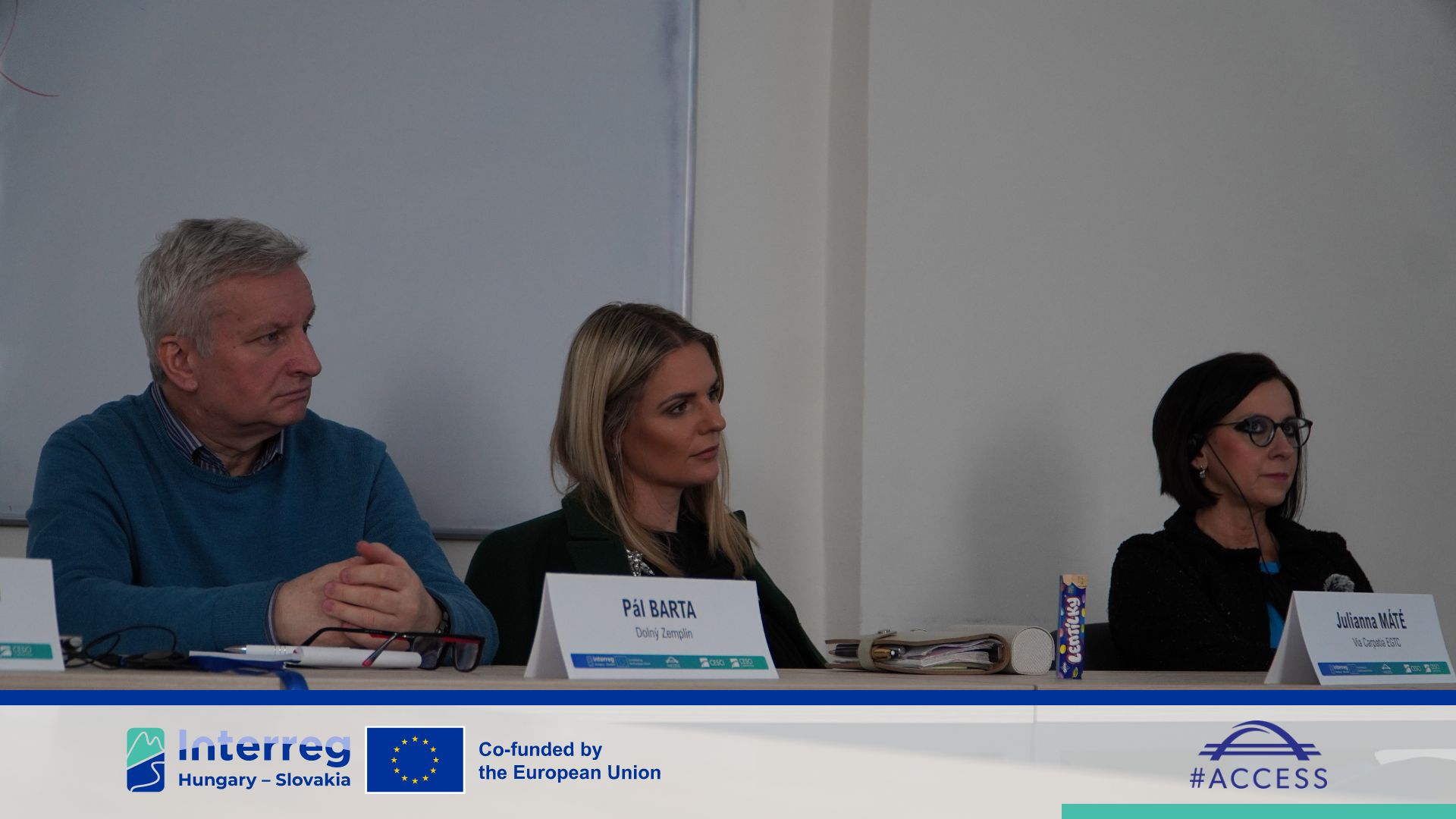

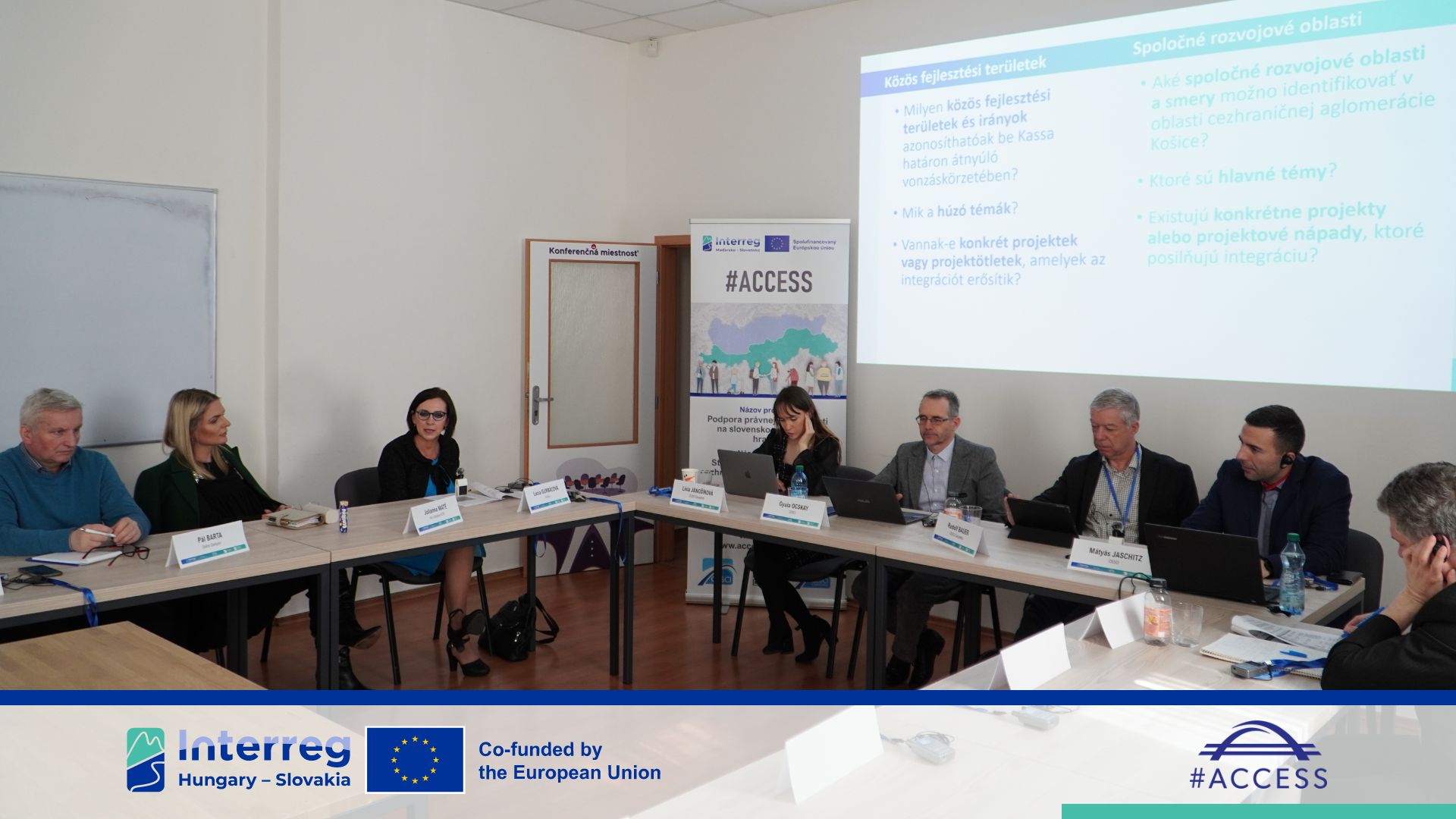
Participants emphasised the importance of revitalising the intergovernmental joint committee to ensure that local-level demands reach decision-makers. The committee’s role in initiating administrative or legislative processes has been instrumental in the past and is viewed as a crucial avenue for addressing current challenges. Furthermore, there is a need to make regulatory frameworks for business startups and investments accessible and up-to-date, facilitating information sharing to navigate cross-border legal complexities effectively.
The workshop highlighted the significance of collaborative efforts in addressing shared challenges and leveraging opportunities for sustainable development in the Košice region. By fostering deeper engagement and cooperation among stakeholders, the meeting laid the groundwork for the future steps of the project enhancing cross-border collaboration and realising the region’s full potential.


The project is financially supported by the European Union,
within the framework of the Interreg Hungary – Slovakia Programme.
For more information visit www.skhu.eu.
The project is financially supported by the European Union,
within the framework of the Interreg Hungary – Slovakia Programme.
For more information visit www.skhu.eu.

 The last reference group workshop was held in Bratislava in the presence of...