#ACCESS featured in an Interreg online workshop on better cross-border governance
09 October 2025

The recording of an online workshop featuring the #ACCESS project is now available to watch. The session brought together three Interreg initiatives under the ISO1 priority of better cooperating governance – Alcotraité, #ACCESS, and Schakelpunt Grensbelemmeringen – to share practical ways of tackling cross-border obstacles across governance levels, borders and institutions. The workshop was co-organised by ITEM, AEBR, and Interact, and is directly linked to the European Week of Regions and Cities: it will feed into the dialogue session “A Dialogue for Enhanced Cross-Border Cooperation to Shape the BRIDGEforEU Regulation” on 15 October 2025.
Why this matters
Cross-border regions face similar barriers – legal mismatches, administrative burdens, and fragmented coordination – even when the contexts differ. By placing three projects side by side, the workshop surfaces transferable methods for diagnosing obstacles, aligning stakeholders, and converting evidence into policy-relevant solutions. For #ACCESS specifically, the discussion situates legal accessibility along the Slovak-Hungarian border within a broader European effort to reduce cross-border friction and strengthen everyday cooperation.
Highlights at a glance
Reflections & next steps (1:27:32-1:40:36): Joint discussion, information on AEBR’s upcoming call (Mariane Bloudeau), and closing remarks from Interact.
Three Recommendations for Experts and Policymakers
Full workshop recording:
Jump to #ACCESS: 1:02:10-1:24:16

The project is financially supported by the European Union,
within the framework of the Interreg Hungary – Slovakia Programme.
For more information visit www.skhu.eu.
The project is financially supported by the European Union,
within the framework of the Interreg Hungary – Slovakia Programme.
For more information visit www.skhu.eu.

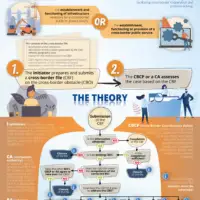 Visual information materials have been produced on the functioning of the BRIDGEforEU...