Brief overview of the #ACCESS project developments during the first months of 2025
17 June 2025

In the first half of 2025, the #ACCESS project advanced its objectives through multiple activities, a brief summary of which can be found below.
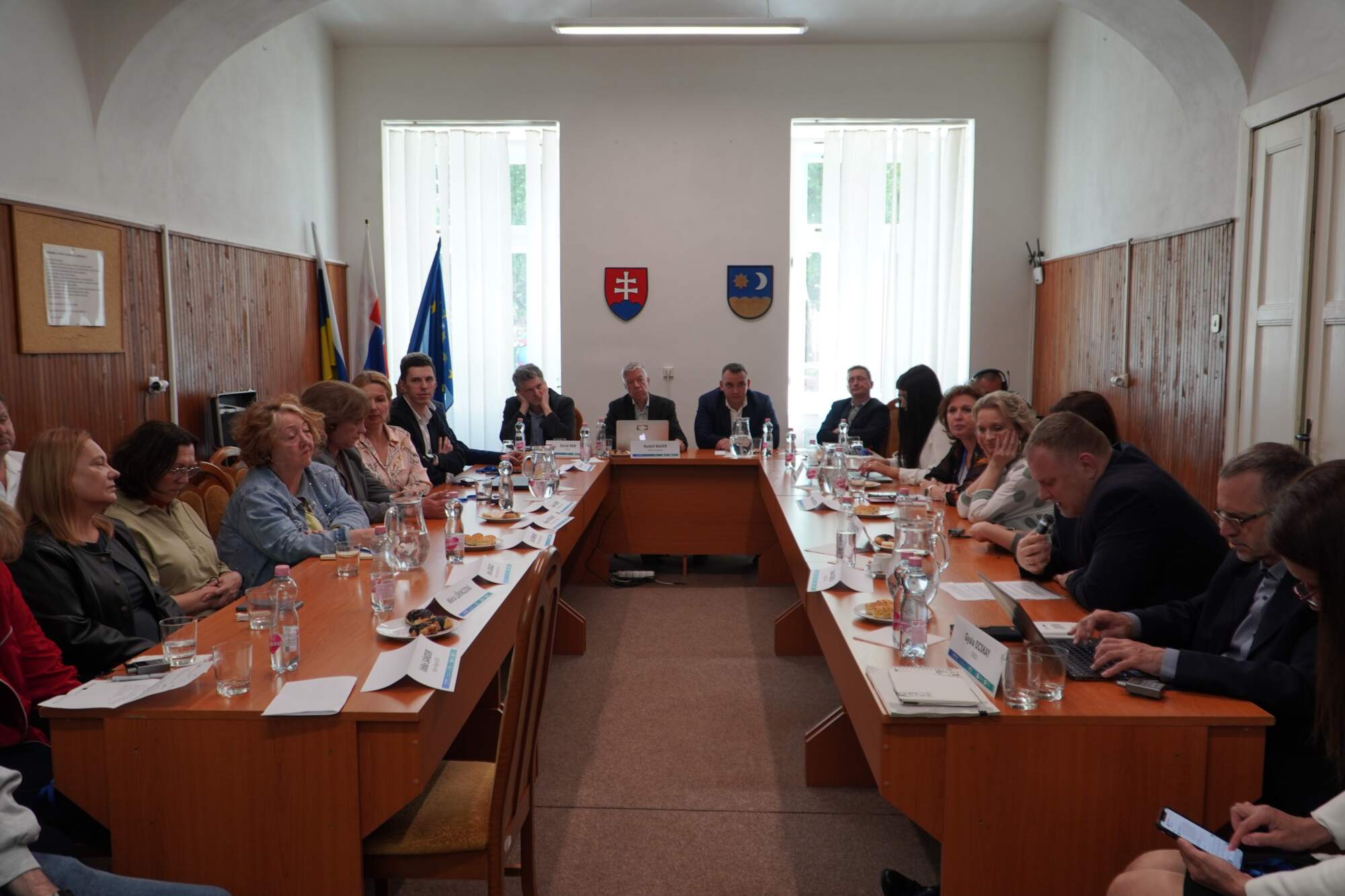
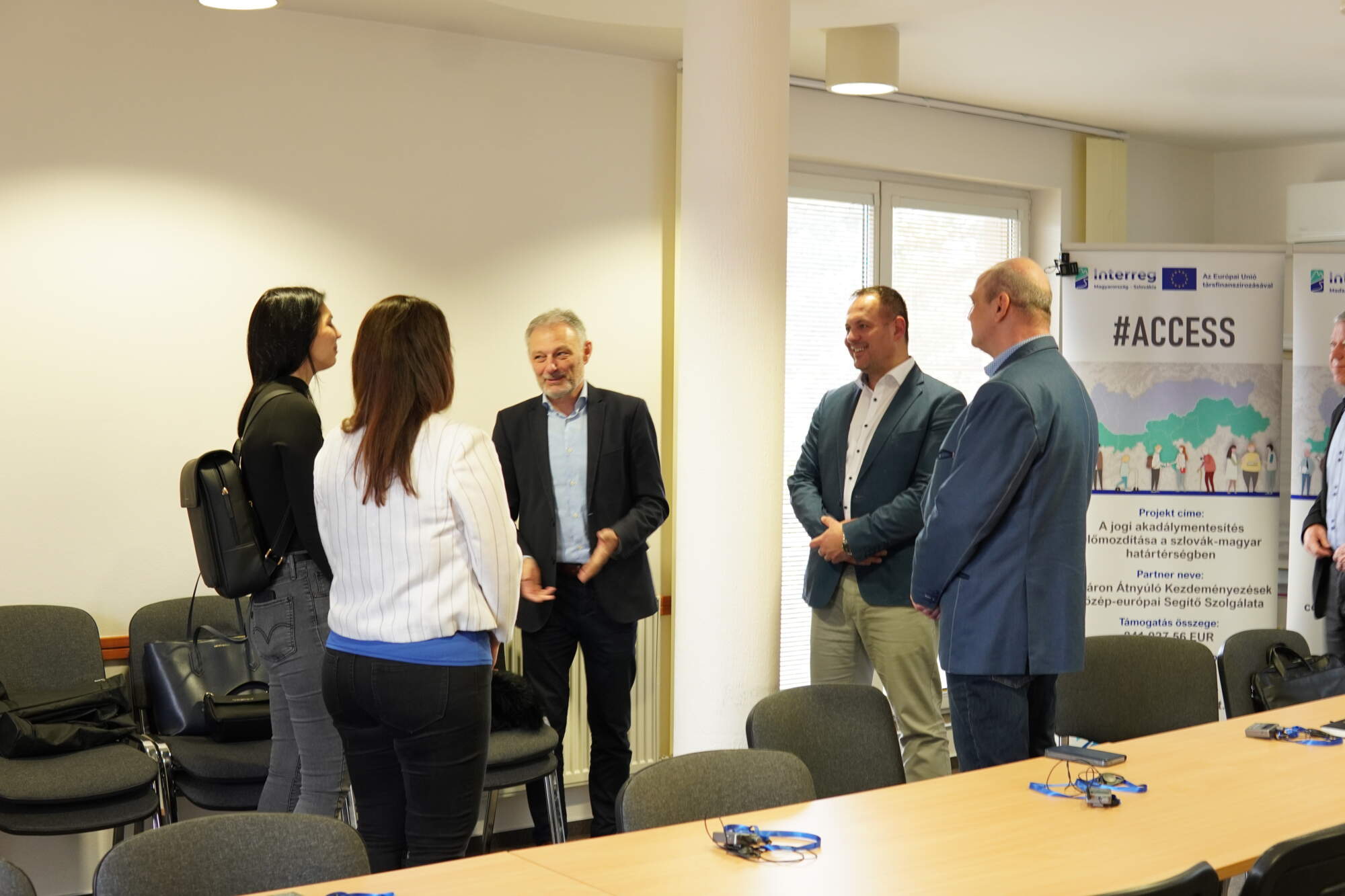
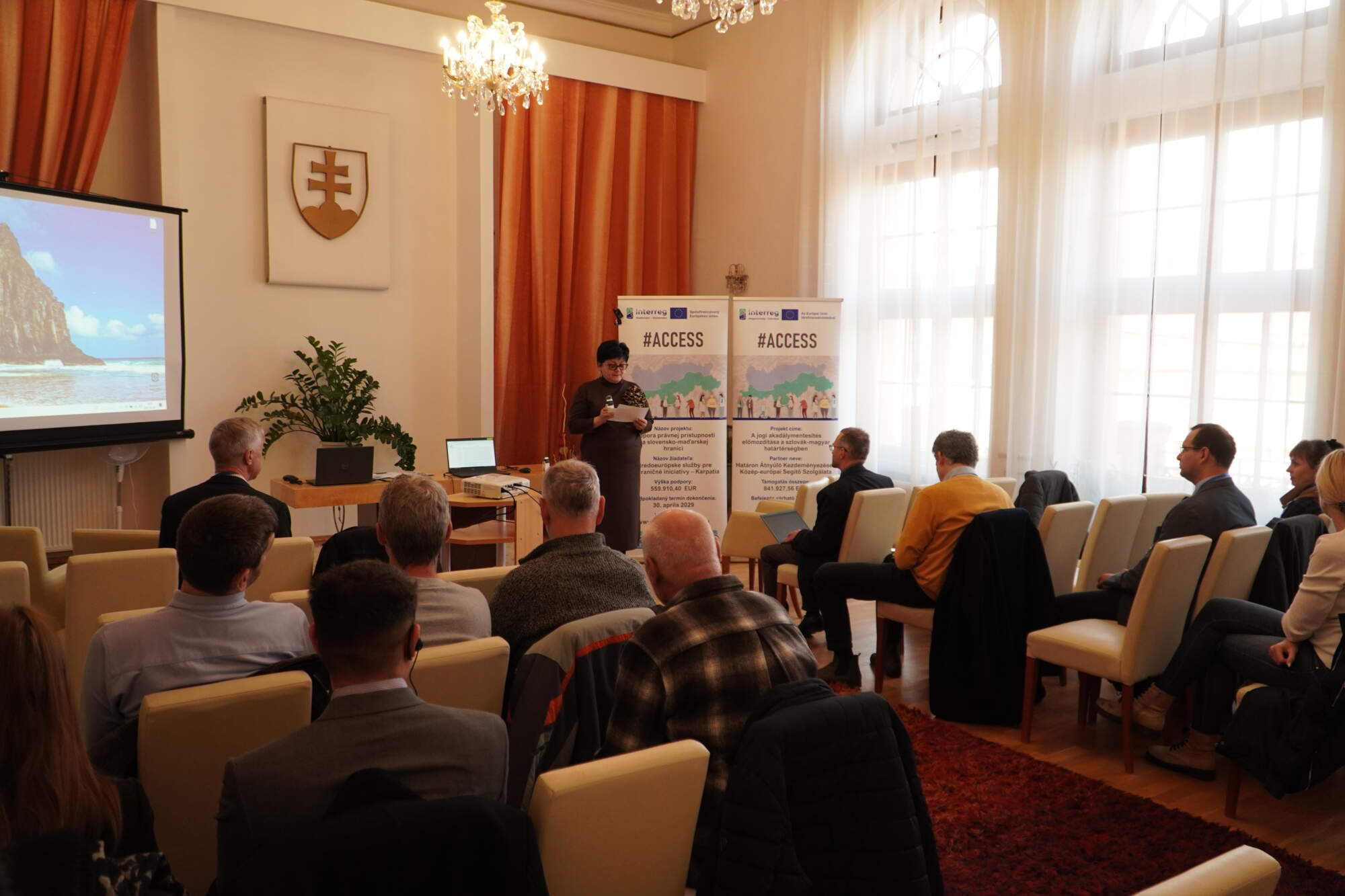
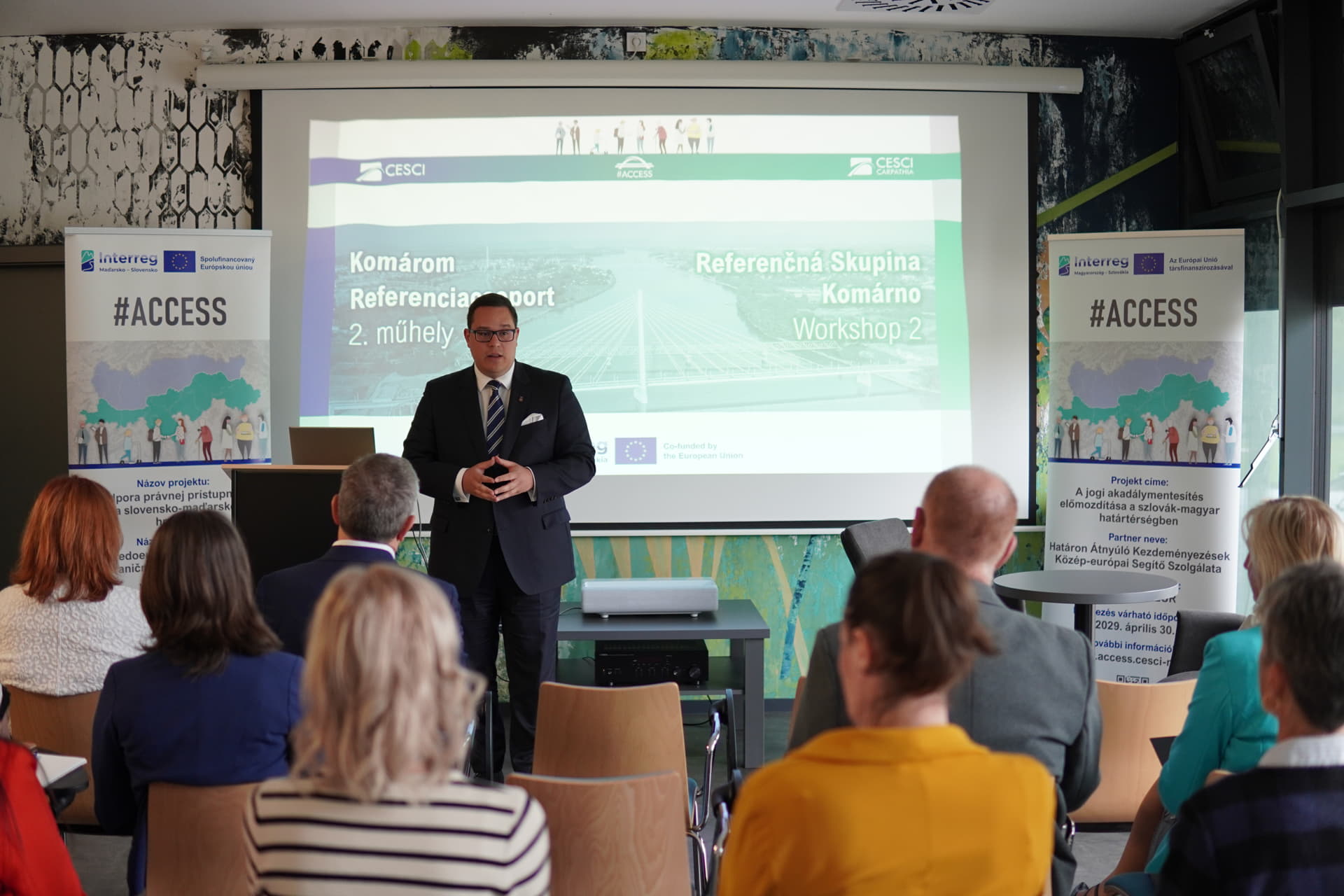
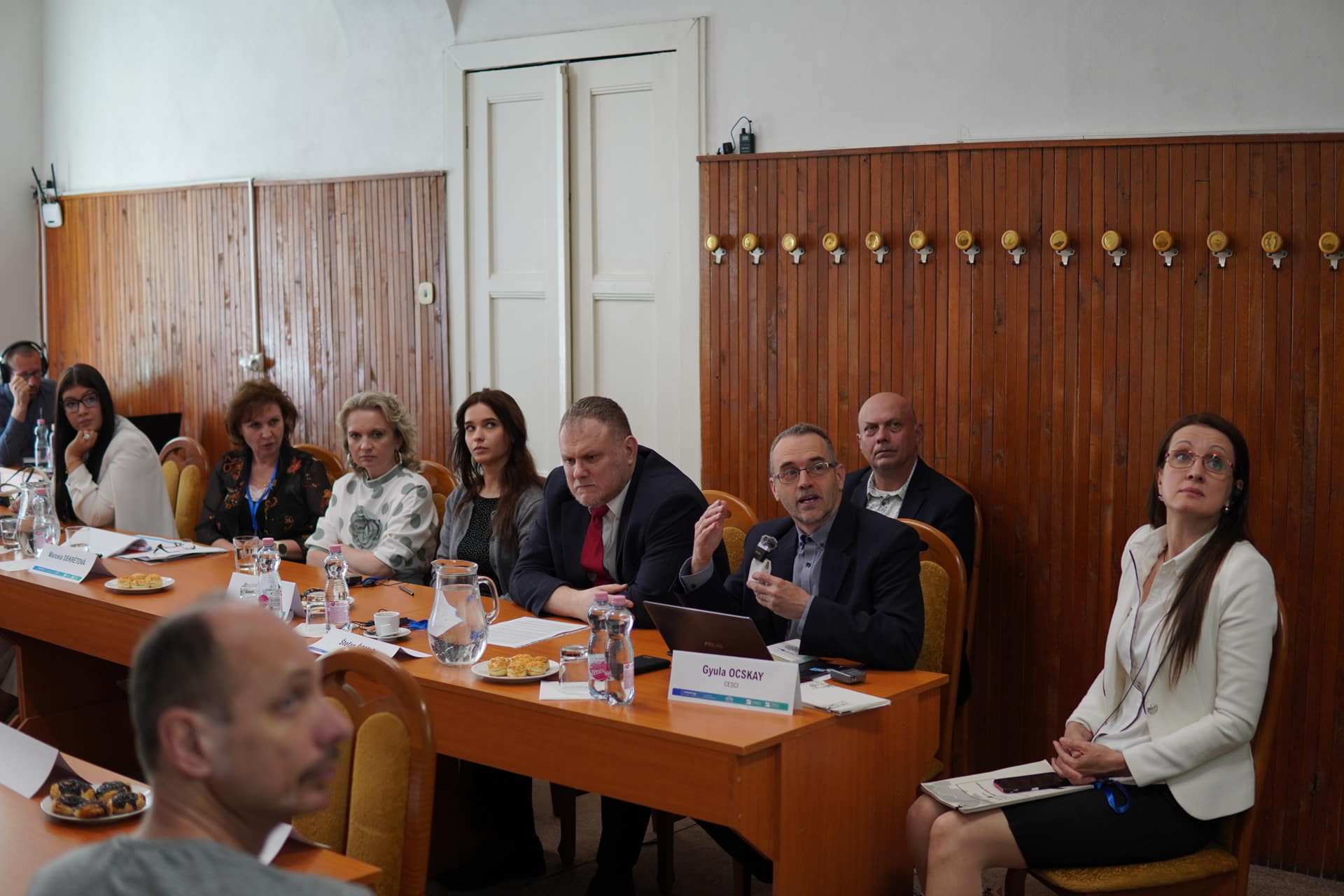
In spring 2025, the reference group meetings concluded with sessions in Tornaľa, Štúrovo, Dunajská Streda, Šahy, and Komárno. These meetings generated valuable working relationships and identified key topics for future progress in best practice collection and pilot project development, mainly in
The help desk service continued providing support, handling two new cases related to labour market obstacles. Legal experts thoroughly analysed these cases and provided practical guidance. Additionally, 20 comprehensive case descriptions of varied obstacles were completed and published online, each featuring a case overview, related news, and best practices. The obstacle database is actively maintained with expert responses to facilitate cross-border problem solving.
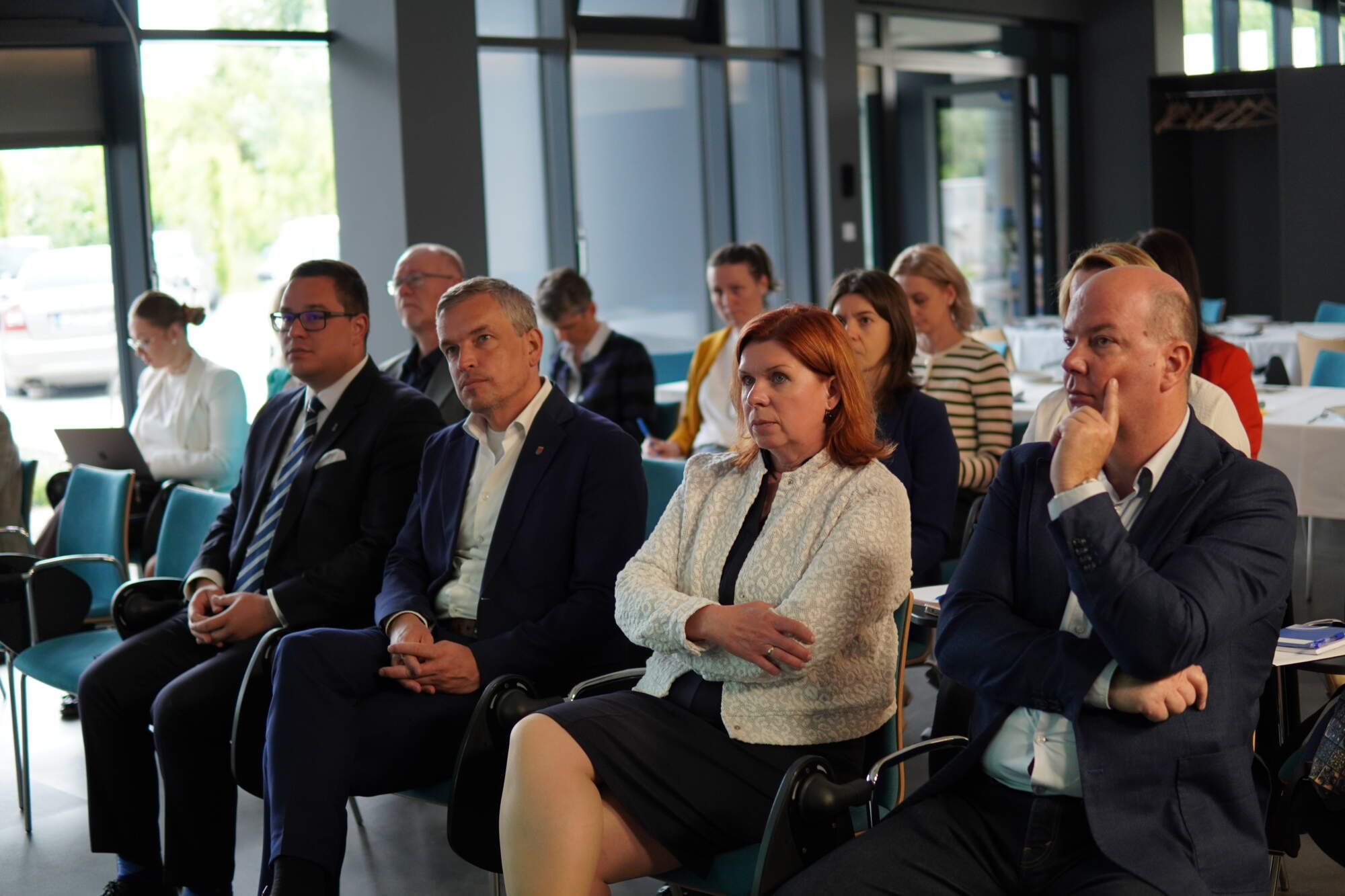
Significant progress was made through sector-specific expert meetings:
These efforts underscored a collaborative approach to overcoming obstacles and promoting regional integration and sustainable development.
The project maintained strong online visibility via a dedicated website and active social media accounts; 18 Facebook posts, 2 LinkedIn posts, and 12 website articles were published.
A highlight of this period was an obstacle identified where Slovak commuters face difficulties applying for Hungarian SIM cards due to a lack of Hungarian addresses. Investigation within the project revealed that while subscriptions require proof of address, to obtain top-up SIM cards, it is enough to have a valid photo ID for EU/EEA citizens. The issue was due to misinformation at customer service points rather than systemic problems. The project facilitated dialogue between telecom providers and regulatory authorities to improve customer service practices.

The project is financially supported by the European Union,
within the framework of the Interreg Hungary – Slovakia Programme.
For more information visit www.skhu.eu.
The project is financially supported by the European Union,
within the framework of the Interreg Hungary – Slovakia Programme.
For more information visit www.skhu.eu.
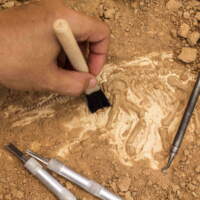 Cross-border recognition of the professional experience of lead archaeologi...