The #ACCESS project paves the way for testing cross-border patient pathways in the Hungarian-Slovak border region

13 July 2026

The #ACCESS project paves the way for testing cross-border patient pathways in the Hungarian-Slovak border region

13 July 2026

In 2025, the Interreg VI-A Hungary-Slovakia Programme launched a call for proposals aimed at supporting the cross-border development of healthcare institutions. With the support of the #ACCESS project and with the involvement of Slovak experts, CESCI prepared two project proposals, both of which were awarded funding by the programme in July 2026. In both cases, the projects will focus on testing cross-border patient pathways.

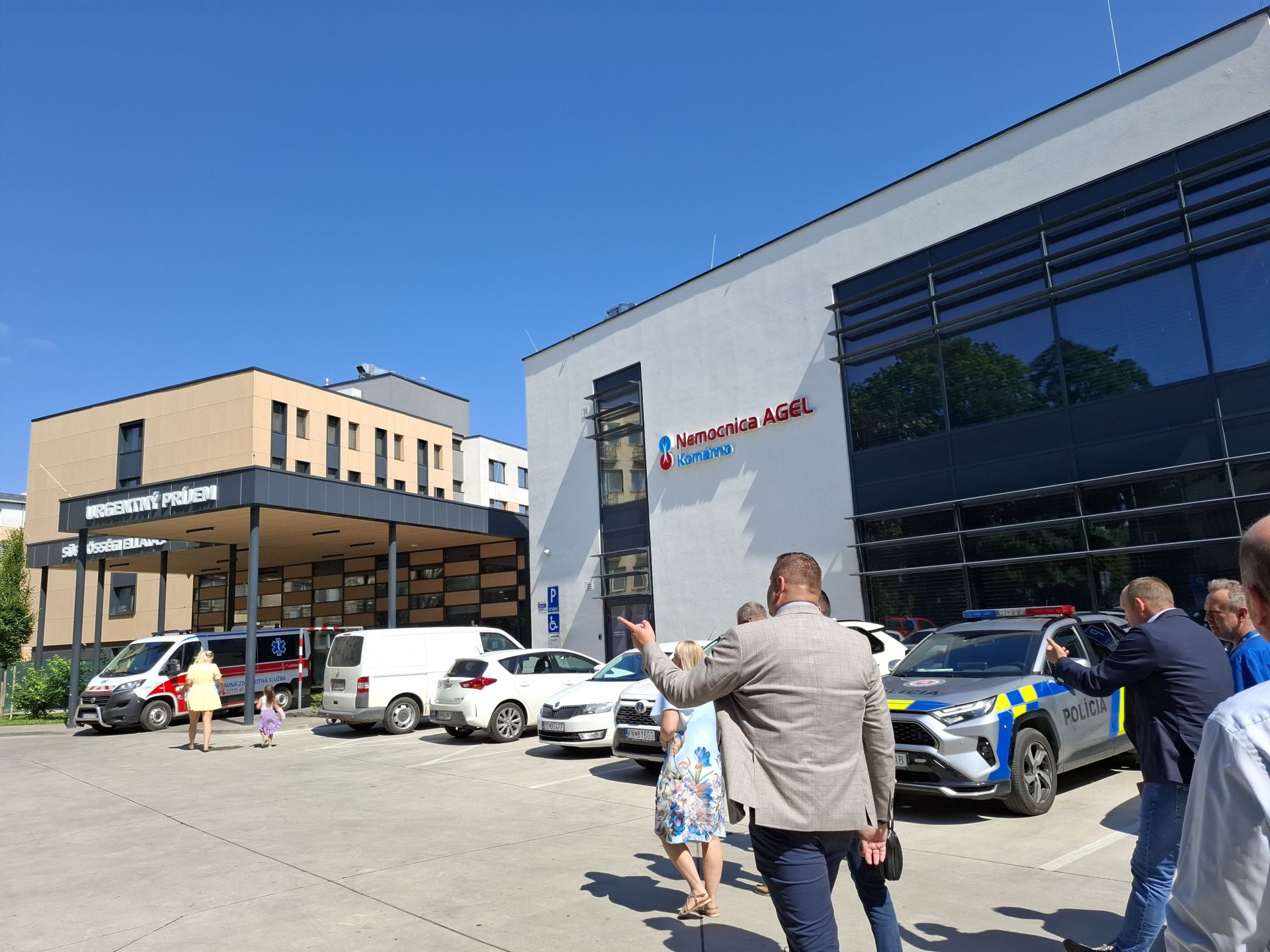
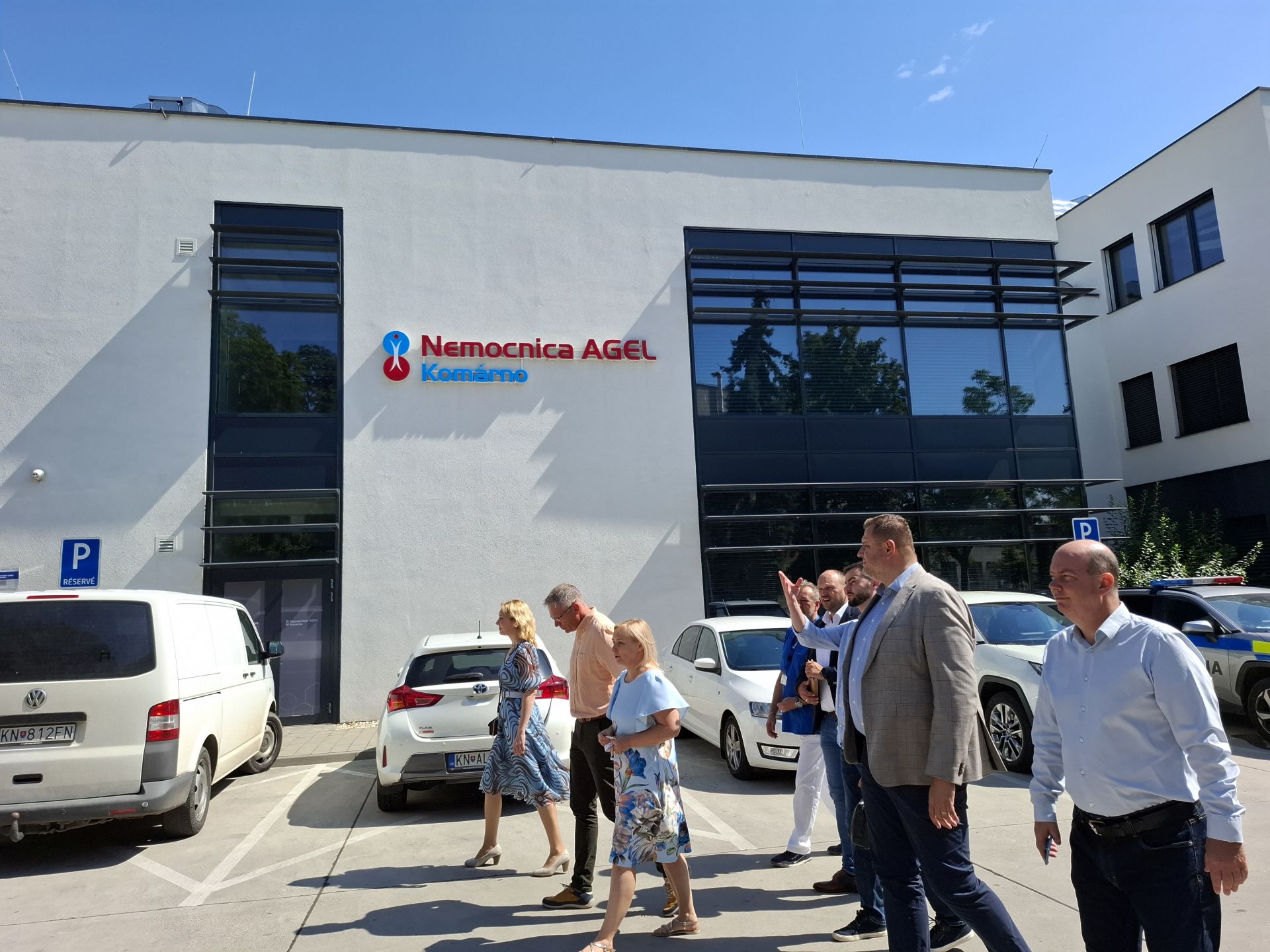
  • The MED-CROSS PATH project addresses a specific cross-border healthcare challenge. In the Komárom–Komárno area, a rapidly developing healthcare institution operates on the Slovak side, but there is currently no Hungarian partner providing comparable services. Meanwhile, 50 km further east, the hospital of Esztergom already plays a similar role by compensating for the limited inpatient care capacity available in the Štúrovo area. Under an agreement with the Slovak Dôvera Health Insurance Company, which has been in place since 2009, the Vaszary Kolos Hospital in Esztergom already receives 200–250 Slovak patients annually. However, some of its departments have the capacity to provide care for an even higher number of patients from Slovakia.

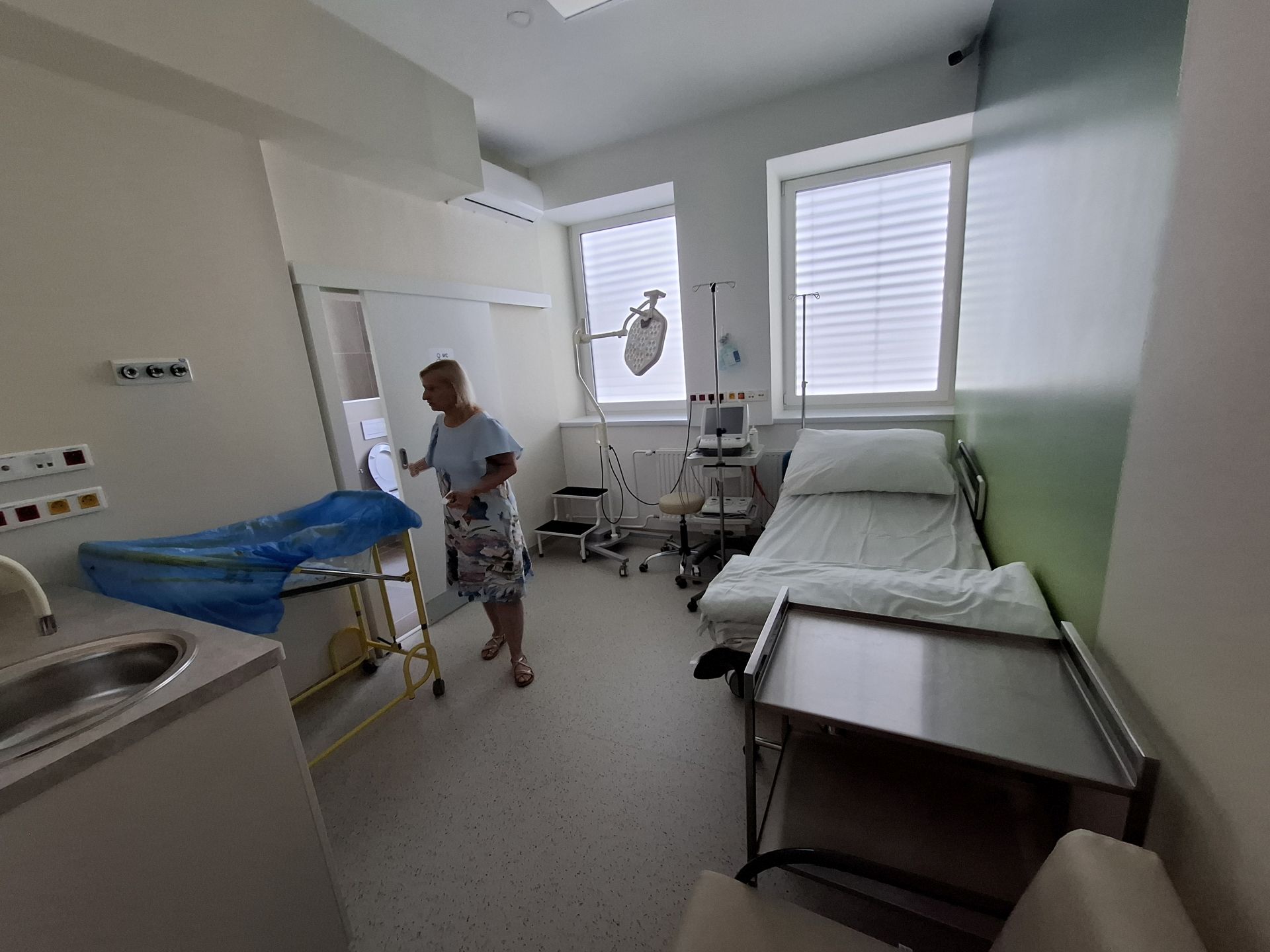
    In Komárno, significant developments have taken place in recent years in the emergency, obstetrics and oncology departments supported by the hospital operator AGEL. In the latter field, two high-capacity American radiotherapy machines have been acquired. This equipment is available in only two institutions in Hungary.

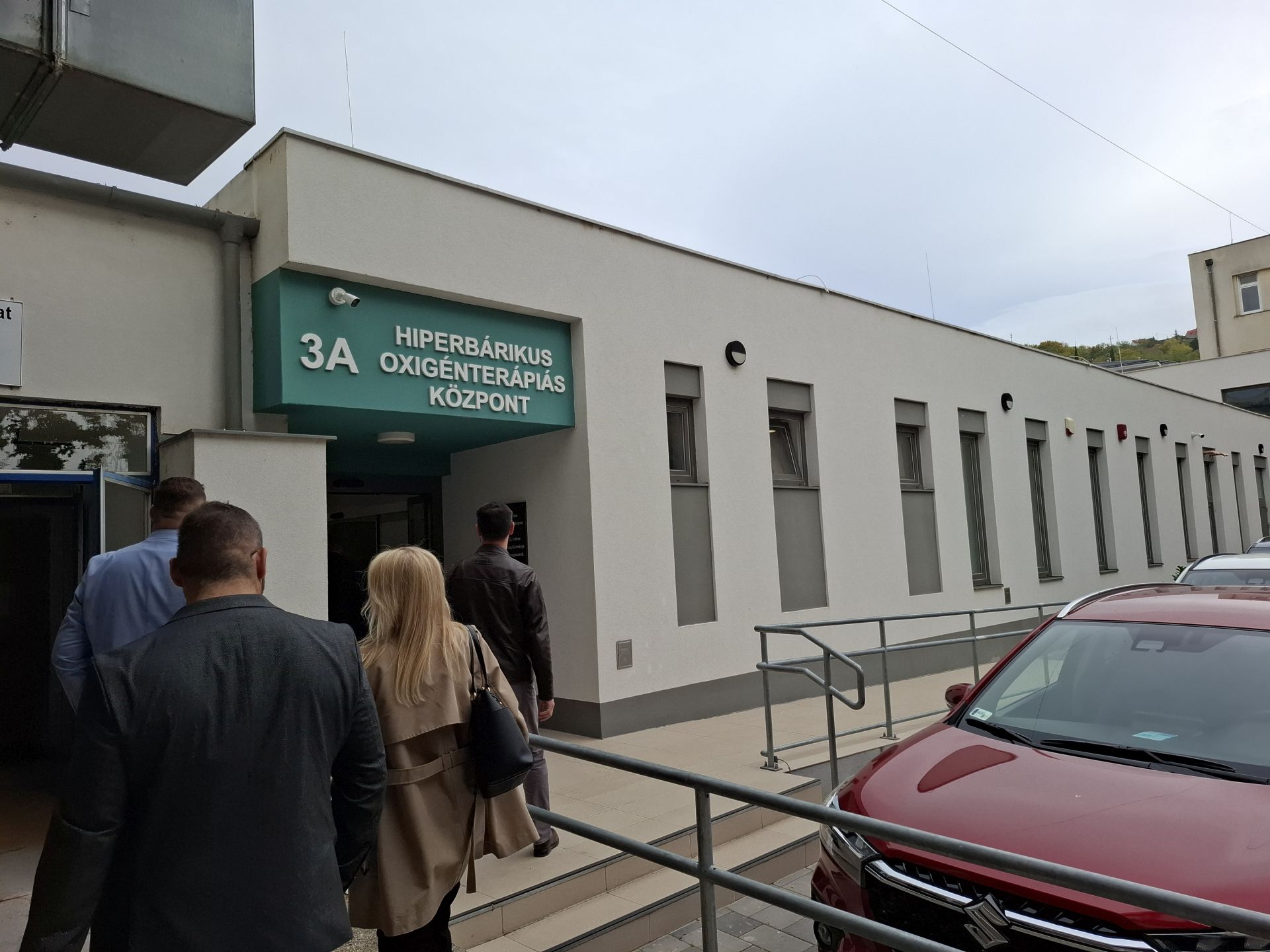
    Within the framework of the project, the two hospitals will make certain services available on a pilot basis to patients arriving from across the border. By testing the related patient pathways, they will prepare recommendations for the two health ministries with the aim of establishing these services permanently. The project will start in September 2026 and will run for two years. During this period, a limited number of patients from Hungary will have access to oncology and obstetric services in Komárno. At the same time, in Esztergom, Slovak citizens without Dôvera insurance will be able to access ophthalmological procedures, while hyperbaric treatment will be provided for patients who have undergone radiotherapy in Komárno.

    As part of the project, policy recommendations will be developed for the two ministries, while preparations will also begin for a new international project aimed at raising the cooperation to a strategic level.

  • The objective of the CROSSREHAB project is to establish the conditions for long-term cooperation between the hospitals of Levice, Šahy and Balassagyarmat in the field of traumatology. The three institutions, located within a 30-kilometre radius, will provide integrated services primarily for the population of settlements along the middle section of the Ipeľ River, as well as for people suffering accidents in the area. The essence of the model is that traumatology services in the area between Šahy and Balassagyarmat would be provided in Balassagyarmat for citizens of both countries, while Slovak patients would receive follow-up care in Šahy and Levice. The care model will be jointly developed and tested by the three institutions on a total of 60 patients, after which it will be incorporated into their own healthcare protocols.

    In addition to procuring equipment to ensure high-quality care, doctors from Balassagyarmat will also receive training at the hospital of Levice, which is considered one of Slovakia’s most advanced trauma centres.

    Both projects aim to reduce the separating effect of the national border in terms of access to healthcare services. Through a directive adopted in 2011, the European Union provides a framework for establishing cross-border healthcare cooperation and defines the rules for financing treatments received across borders. The two newly funded projects aim to pilot these services by testing the administrative, professional, linguistic, procedural, follow-up care and financing conditions required for cross-border patient pathways. Based on the results, the projects will contribute to developing sustainable care models and promoting their adoption at the policy level. The objective is to reduce the pressure resulting from capacity shortages present in both countries by linking complementary services, to shorten waiting lists, and to ensure access to higher-quality healthcare for people living in the border region. The two models may also support further planning processes within the healthcare systems of both countries, as, instead of parallel procurement and operation of expensive diagnostic equipment, availability could be ensured through complementary cross-border arrangements, as demonstrated by numerous Western European examples.

Within the framework of the #ACCESS project, CESCI and CESCI Carpathia are working to remove legal and administrative cross-border obstacles. The two projects that have now received funding may contribute to eliminating further barriers in the field of healthcare provision.