Brief overview of the #ACCESS project developments during the second half of 2025

15 December 2025

Brief overview of the #ACCESS project developments during the second half of 2025

15 December 2025

In second half of 2025, the #ACCESS project advanced its objectives through multiple activities, a brief summary of which can be found below. 

1. Stakeholder engagement and reference group meetings

The reference group meetings concluded in the spring of 2025. These meetings generated valuable working relationships and identified key topics for future progress in best practice collection and pilot project development, mainly in cross-border health, local products and the fight against invasive species. During the year the report of the reference group meetings were also prepared in English, Slovak and Hungarian.

2. Solution gateway

The help desk service continued providing support to residents of the border region. The project updated and expanded  21 existing comprehensive case descriptions with additional details., Each case includes  an overview, related news, and best practices. The obstacle database is continuously maintained with expert responses to facilitate cross-border problem-solving.

3. Project promotion and awareness

The project maintained strong online visibility through a dedicated website and active social media channels, with regular updates published on all platforms.

Reference group workshops report

4. Solution development for overcoming cross-border obstacles:

Following  several sector-specific expert interviews and meetings, the development of solutions for overcoming cross-border obstacles has been started in many sectors, while in other topics, the stakeholder engagement is still in progress:

  • Emergency health services:

    The compilation of the bilateral treaty has been managed by the two national authorities and rescue services, based on the results of the preparatory steps undertaken by the #ACCESS partners.

  • Patient care:

    The partners together with the hospitals of Komárno and Esztergom have started preparing a pilot project of testing cross-border health services. Several in-person expert meetings were held, where it was discussed how the hospitals could compensate for the lack of a similar institution on the other side of the border.

  • Tourism governance:

    The foundation of the Novohrad-Nógrád Geopark EGTC was continued. Partners prepared and moderated an expert group meeting of the prospective founding members, coordinated the approval process of the two founding documents (Convention and Statutes) in Hungary and Slovakia, and the label’s transfer from the current owners to the EGTC.

  • Environment:

    Building on earlier expert consultations, discussions were held with the Nature Conservation Department of the Hungarian Ministry of Agriculture and with national parks along the Hungarian-Slovak border region, focusing on two of the most threatening invasive species: the Asian hornet and the nutria. CESCI Carpathia also prepared an interview with the Slovak lead partner developing the Carpathian Red List within the BioRegio CEE project, to explore links between ongoing initiatives and potential cross-border action. Further ministerial consultations are underway regarding nutria hunting in Hungary to clarify the regulatory framework and next steps. CESCI also contacted the Hungarian Standards Institution to assess whether standard pictograms could be used in the border region to warn forest visitors about dangerous situations and obstacles when continuing excursions across the border.

  • Local products:

    The stakeholder dialogue and project development was strengthened to support innovative sales methods and address obstacles faced by local producers. CESCI participated in sector events with the Ministry of Agriculture, consulted producers on practical barriers, and discussed agrotourism strategy with relevant professional institutions. In parallel, CESCI joined preparatory discussions for several INTERREG HUSK project proposals coordinated by EGTCs, and supported applicants by sharing good examples of innovative cross-border sales. CESCI also engaged with research and professional partners to explore alternative food networks and new sales channels, and conducted interviews on practical solutions such as invoicing and e-receipts to enable modern, small-scale sales models.

  • Horizontal issues:

    #ACCESS addressed obstacles rooted in information gaps. The partners launched data collection on 2 topics: education and employment. The compilation of information packs is in progress.

  • Water guides:

    Two interviews and a bilateral expert group meeting were organised by the project partners. The participating experts highlighted the need for joint action in terms of the different training and administration systems (permits, driving licences) and missing liability insurances. In addition, during water tour guide training, mutual information should be provided on nature conservation and navigation rules.

In the field of culture and public transport, cross-border obstacles were also registered and analysed by the project partners. At the same time, stakeholder engagement activities have been started by contacting the relevant authorities and organisations.


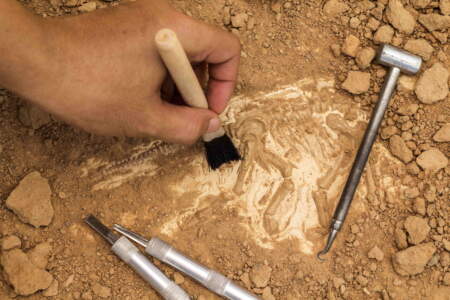
5. Case study: Recognition of archaeological professional experience

A highlight of this period was an obstacle solved on the recognition of archeological professional experience: the project partners investigated the reported obstacle and brought the Hungarian and Slovak Excavation Committee together in an expert consultation, where both sides supported mutual recognition of lead archaeologists’ professional experience and discussed making the two systems compatible (years-based vs points-based). As a practical step, Slovak experts advised the affected archaeologist to contact the Excavation Committee of the Slovak Republic, which can provide guidance on the eligibility certificate and assist with recognition if the legal conditions are met. As heritage protection systems are very similar, further high-level consultations were recommended on mutual recognition.