A successful workshop on cross-border health cooperation in Šahy within the framework of the #ACCESS project
30 April 2025


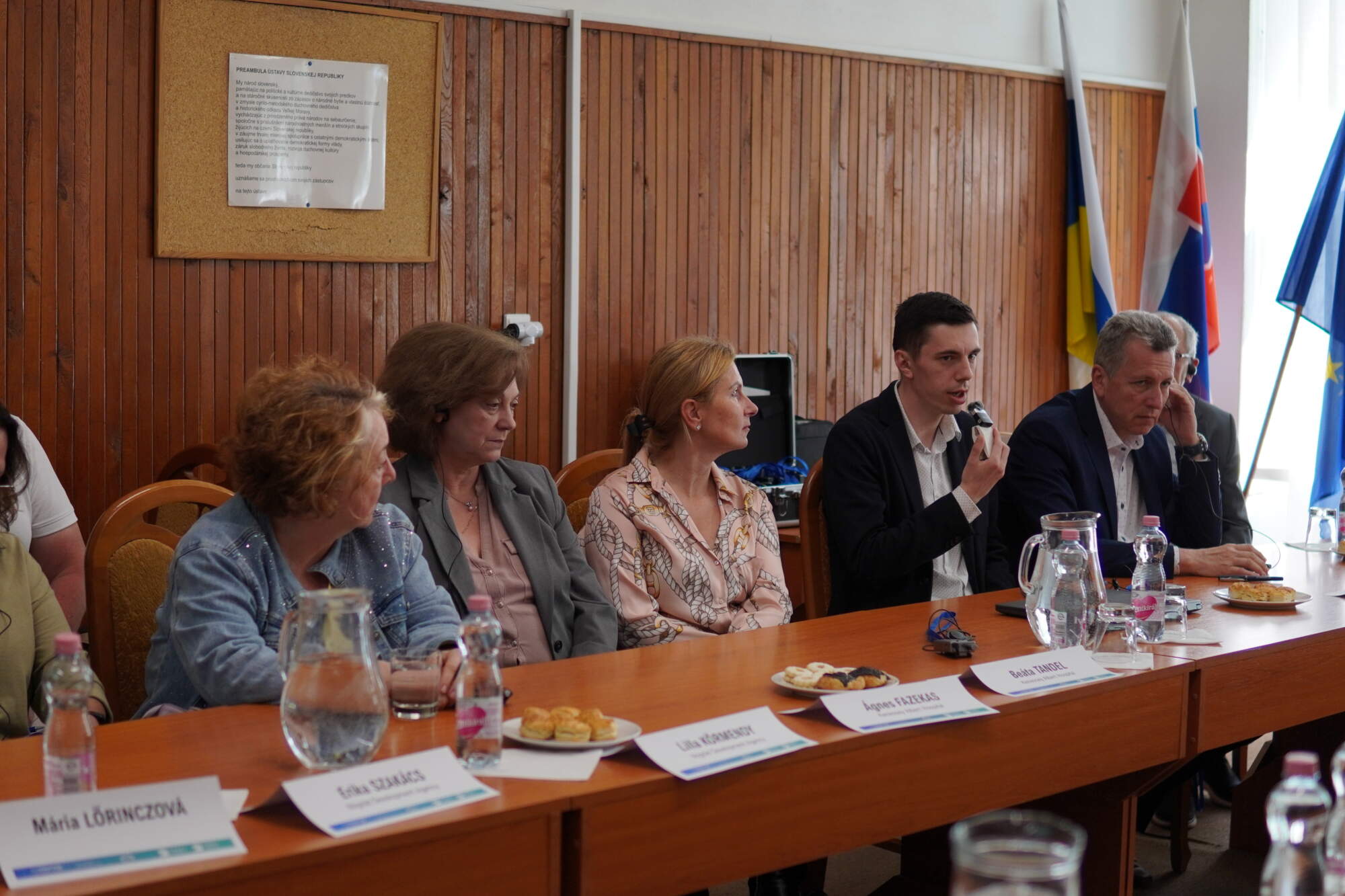
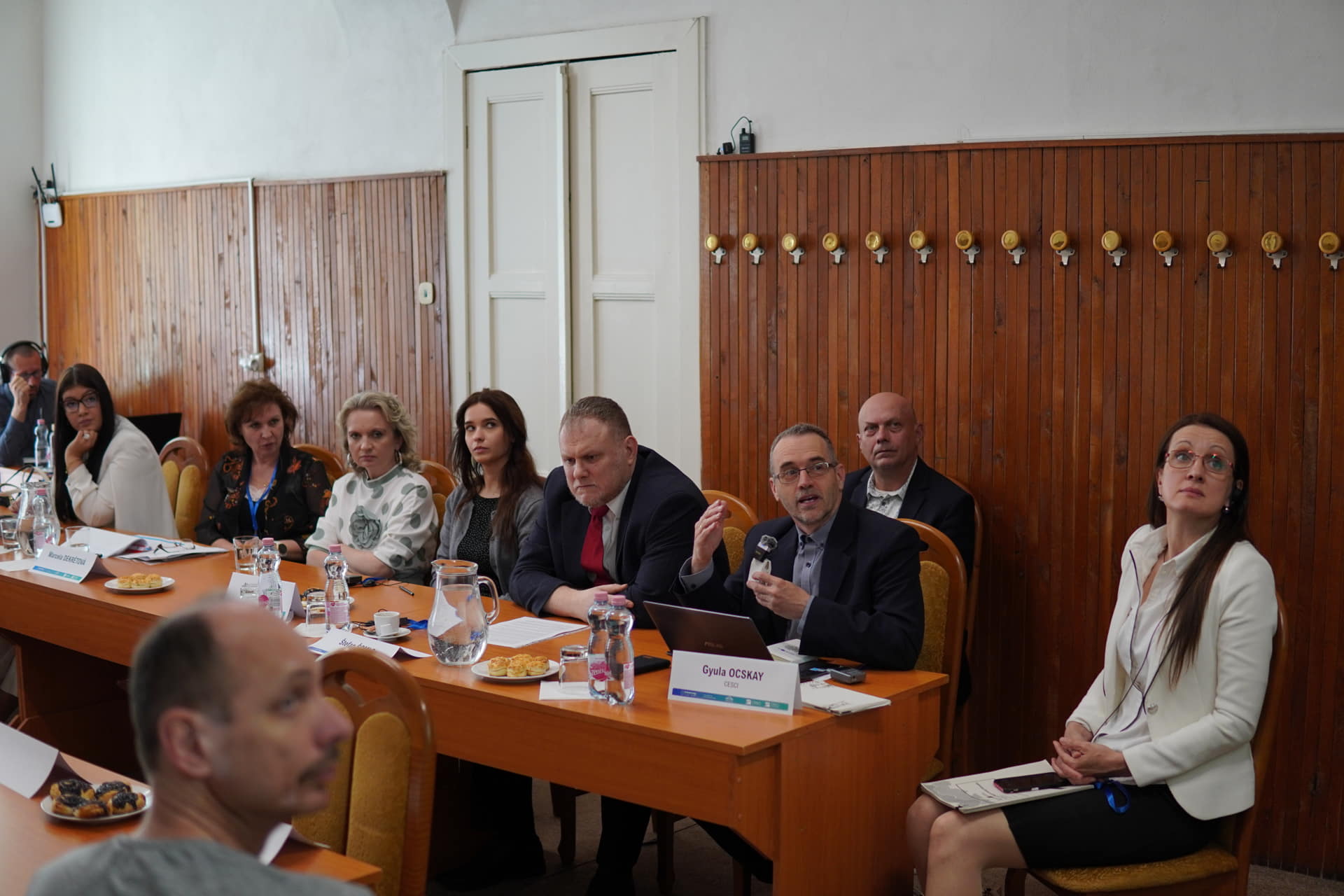
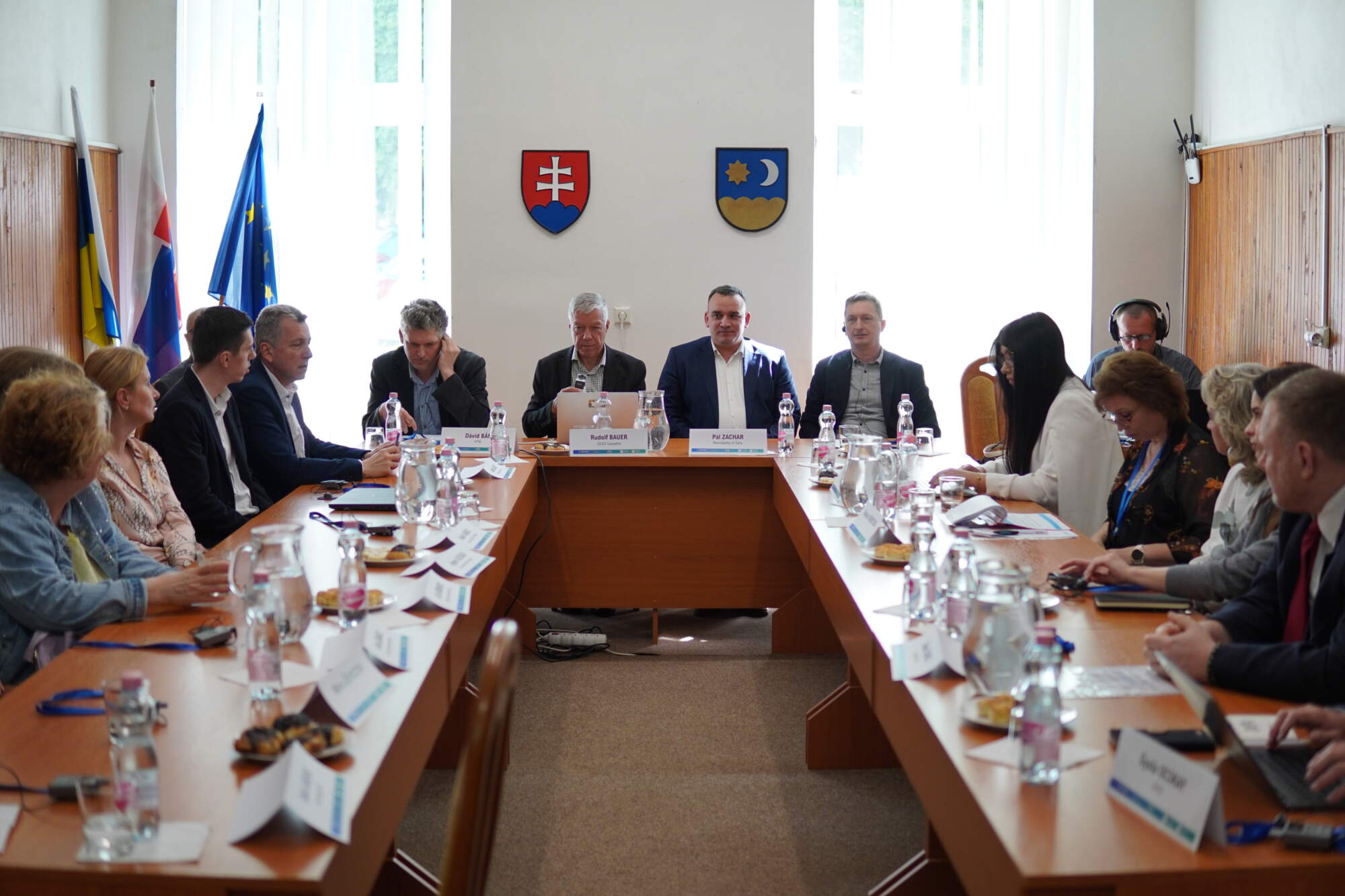
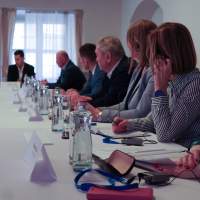
Representatives of the three hospitals operating in the region, experts of the neighbouring regional municipalities, ministries, regional development and health convened in Šahy on 29 April 2025. The workshop aimed to start consultations on the development of cross-border health cooperation along the River Ipoly/Ipeľ.
The #ACCESS project implemented by CESCI (Hungary) and CESCI Carpathia (Slovakia) is a strategic operation of the Interreg VI-A Hungary-Slovakia Programme, which lasts from 2023 until 2029 and targets cross-border legal and administrative obstacles hindering cross-border mobility and integration, and making the border citizens’ lives difficult. To unfold these obstacles, the project partners established so-called reference groups where the representatives of the urban centres located by the border can share their experiences in the field. One of the reference groups targets the middle section of the River Ipoly/Ipeľ around the two towns of Balassagyarmat and Šahy. After the first workshop of the reference group held in 2024 in Balassagyarmat, it became clear that the region’s major issue is the limited access to health services due to the state border. Consequently, the project partners invited the managers of the three hospitals within the area to the second workshop, which was held in Šahy.
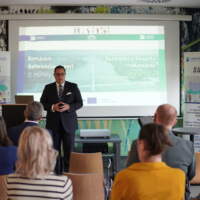
The participants were greeted by Pál Zachar and Gábor Csach, the two mayors of the two towns and Dávid Bán, an expert of the Hungarian Ministry of Public Administration and Regional Development. Gyula Ocskay (CESCI) briefly presented the project, and Rudolf Bauer (CESCI Carpathia) talked about the upcoming call of the Interreg VI-A Hungary-Slovakia Programme, which Csilla Veres, Head of the Joint Secretariat, completed. The call, which is expected to be published next June, will support health cooperation with a total amount of EUR 8 million.
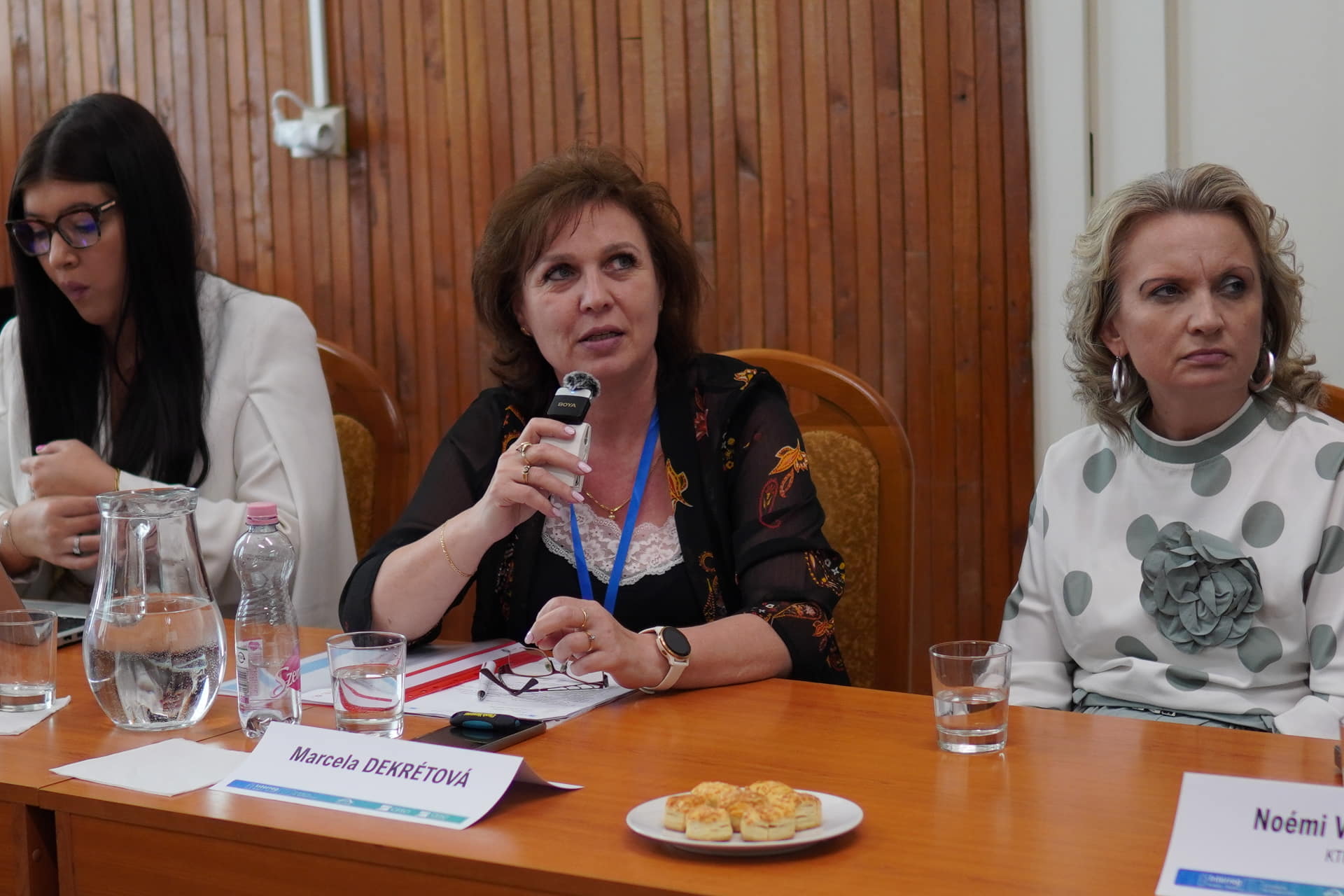
Martin Caudt, Head of Department for healthcare of the Regional Municipality of Banská Bystrica, presented the results of the World Bank’s Catching-up Regions project, which partly focused on the shortages and development needs of health services within the region.
Marcela Dekrétová, Ágnes Fazekas and Štefan Šomlo, directors of the Hospital of Veľký Krťíš, Balassagyarmat and Šahy, subsequently, summarised the services provided by their institutions and gave a broader overview of the health situation in the border area.
The major problem of the regional health care system is the shortage of human capacities: the number of medical experts is decreasing, and their average age is remarkably increasing. In the District of Veľký Krťíš, 58% of the doctors are older than 65 years, which forecasts serious difficulties for the upcoming era. An additional factor is that, due to the peripheral location of the region, it is very hard to attract young doctors and nurses. During the COVID many of the former employees of the hospitals left their job places, and not everyone returned. The hospitals try to compensate for the peripheral situation through extra services (providing housing, sports facilities, family programs, etc.), which is not always helpful. Regardless of the infrastructural developments and the investments in equipment carried out during the last decade, the three hospitals are and will be facing a shortage of capacity. It is a reasonable solution to share the existing capacities in a territorially smart way, which idea was explicitly supported by all three directors. For this purpose, the medical systems of the neighbouring hospitals should be connected, the financial background is to be clarified, and the data security issues are to be solved. The new call of the CBC programme can help manage these issues.
The participants expressed their willingness to cooperate to ensure better access to quality health services for the citizens living in the border area. This is the point where the #ACCESS project (as its name indicates) might assist their efforts.

The project is financially supported by the European Union,
within the framework of the Interreg Hungary – Slovakia Programme.
For more information visit www.skhu.eu.
The project is financially supported by the European Union,
within the framework of the Interreg Hungary – Slovakia Programme.
For more information visit www.skhu.eu.
 Second round of reference group consultations in Komárno