Shaping a new governance structure of the cross-border suburban region of Bratislava
19 March 2025


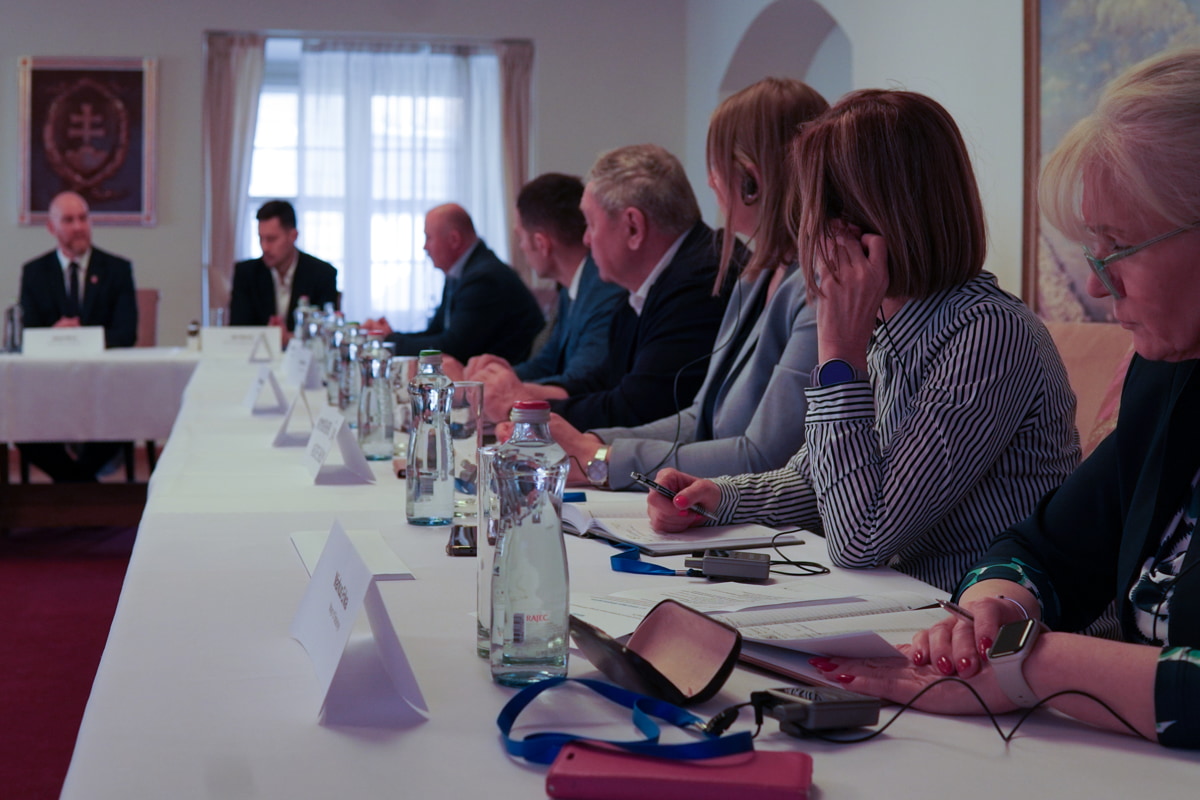
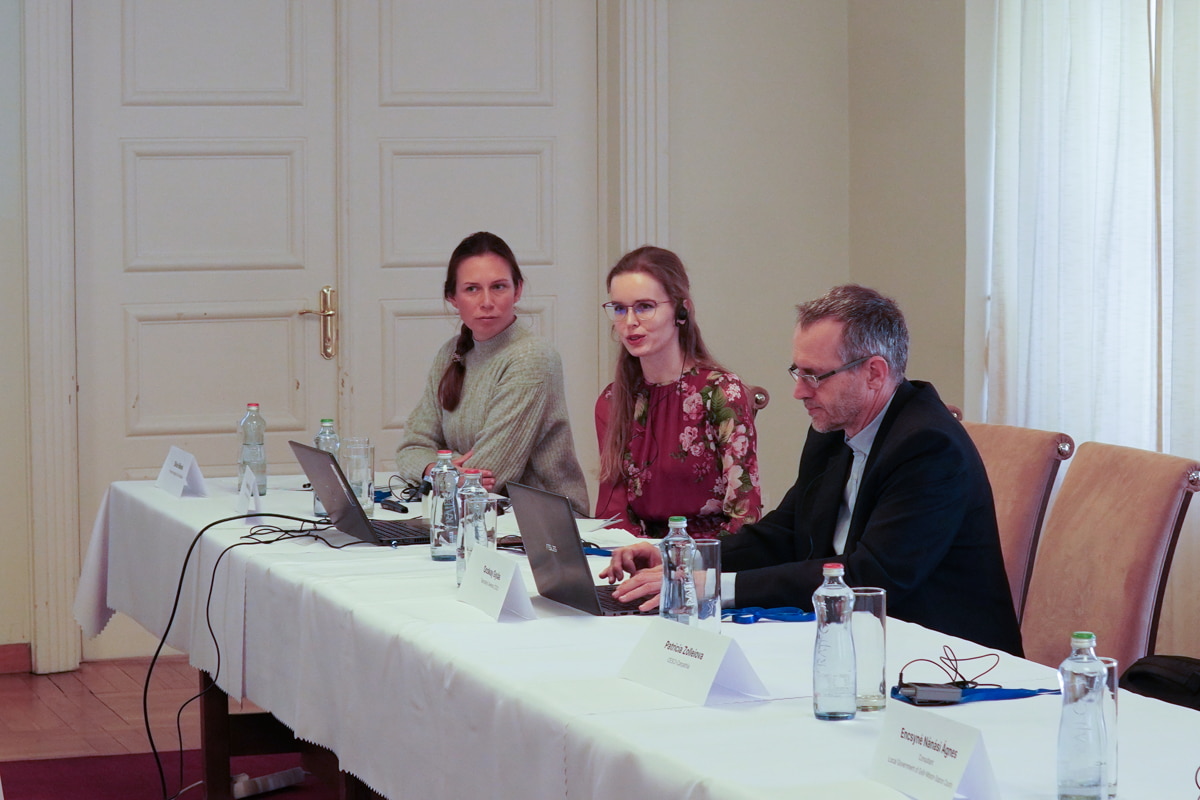
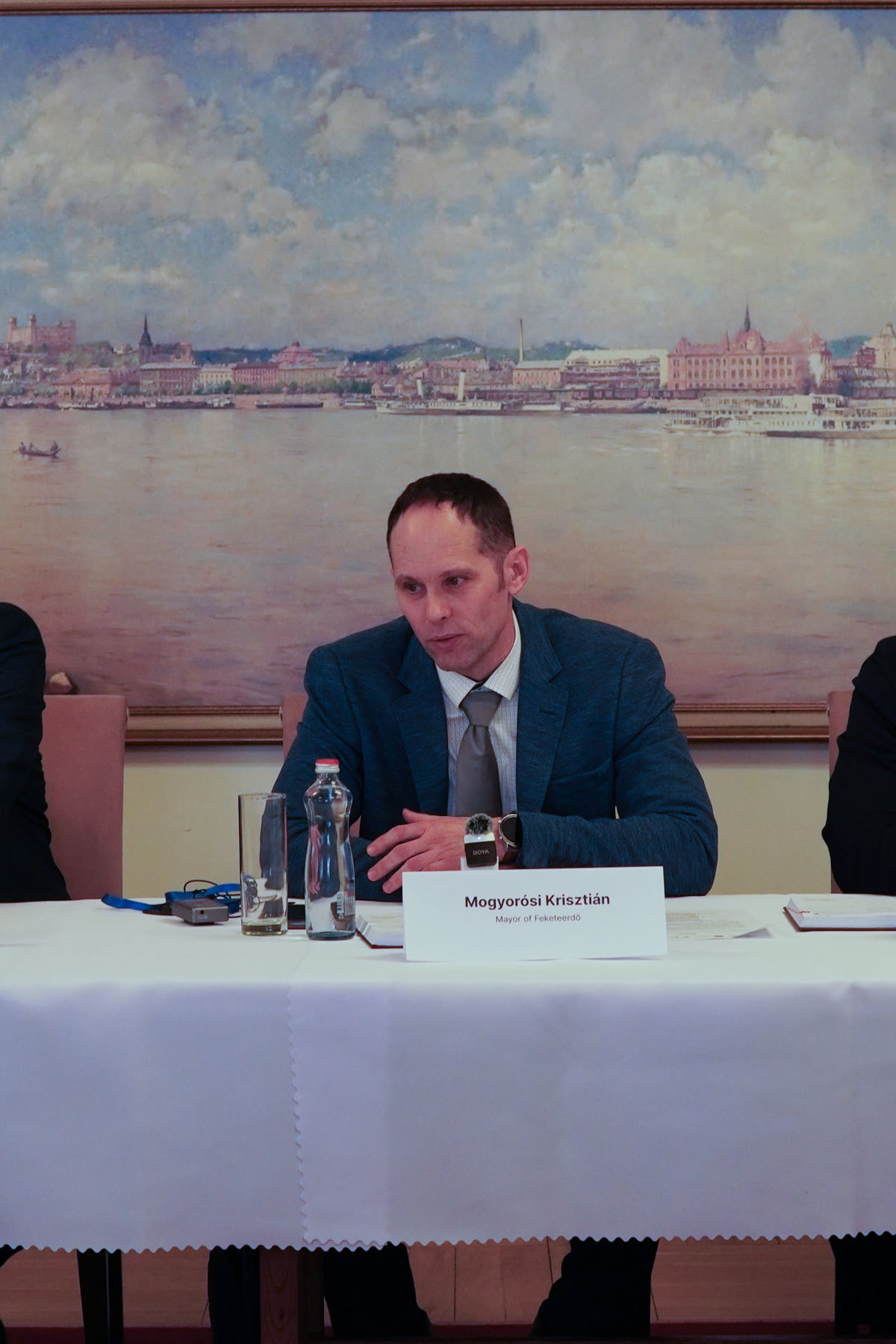
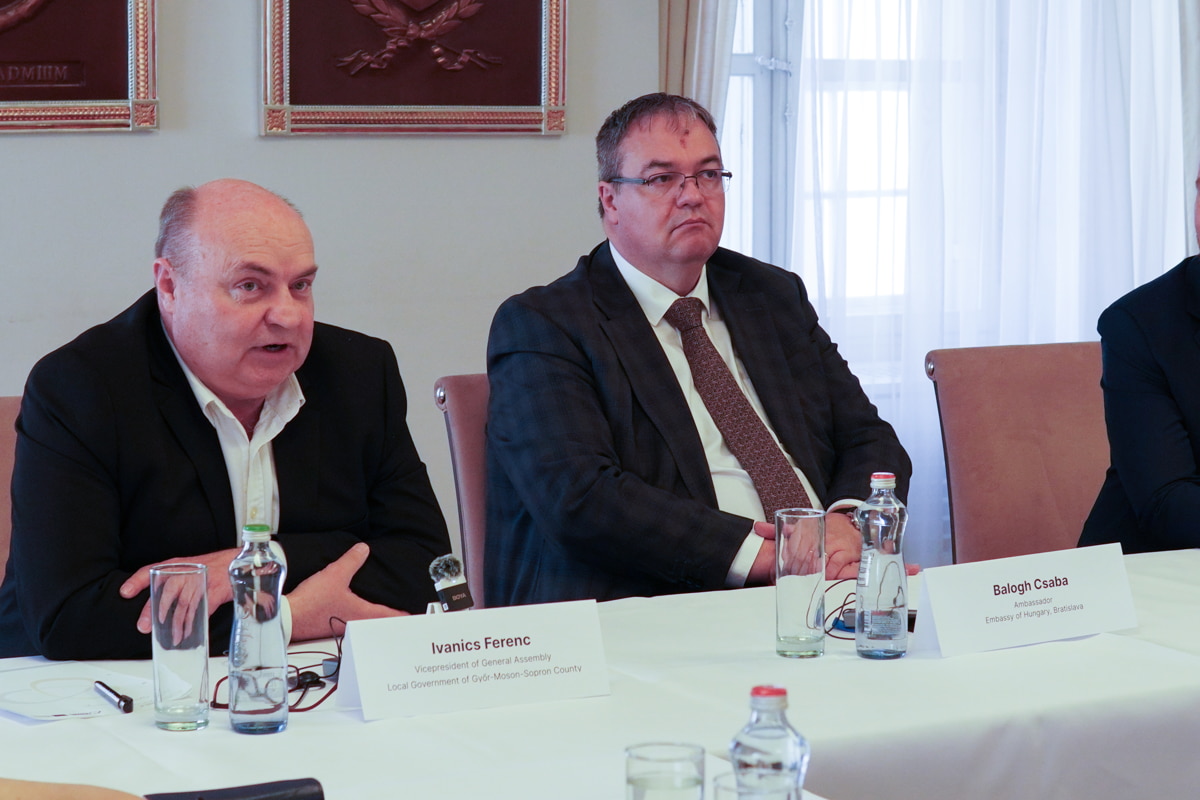
On 5 March 2025, the first workshop of the project targeting the cross-border integration of the Functional Metropolitan Area of Bratislava took place in the former archbishop’s palace in Bratislava. The pilot action supported by the European Commission through the Resilient Borders call aims to improve the management conditions for the Hungarian suburban area of the Slovak capital.
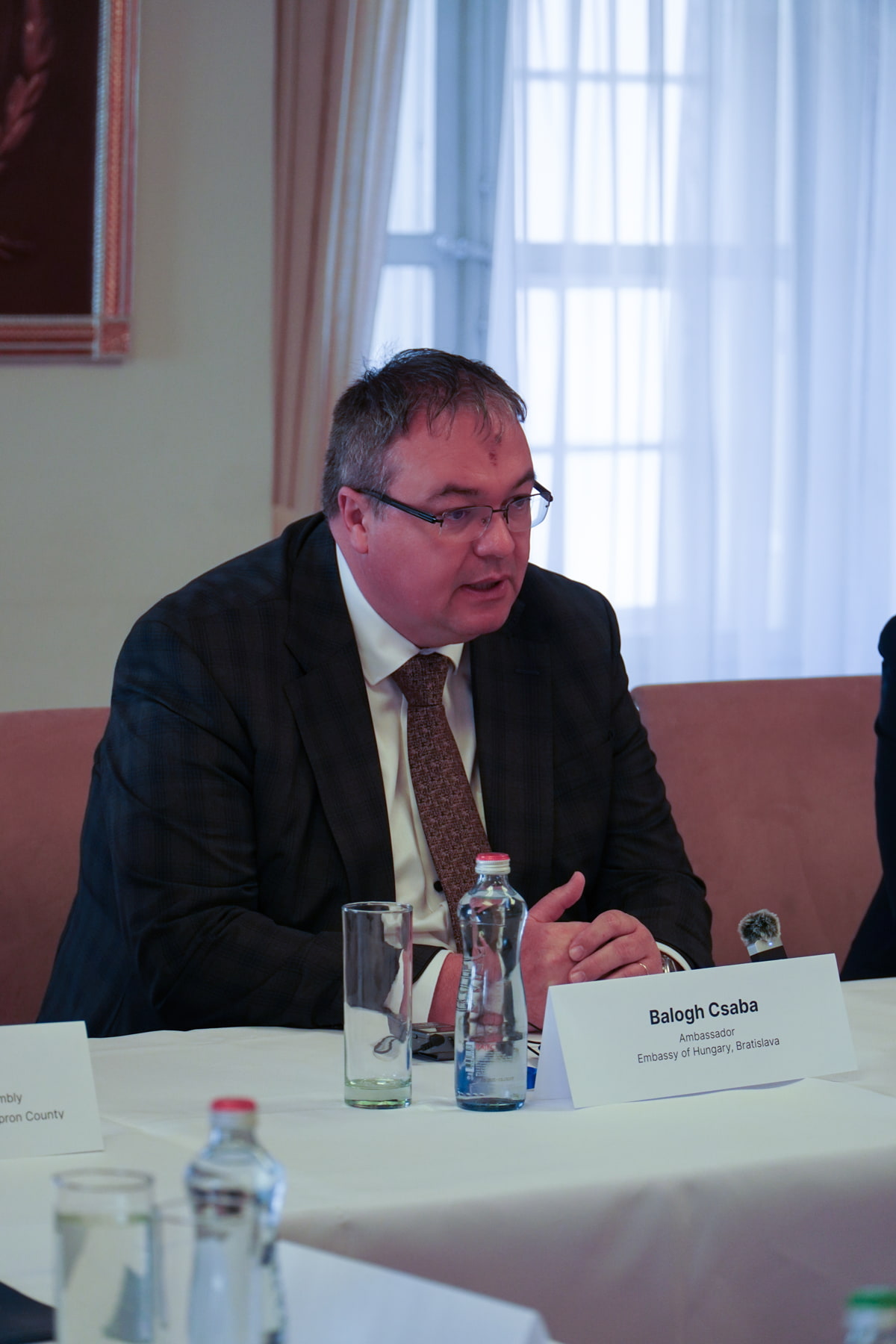
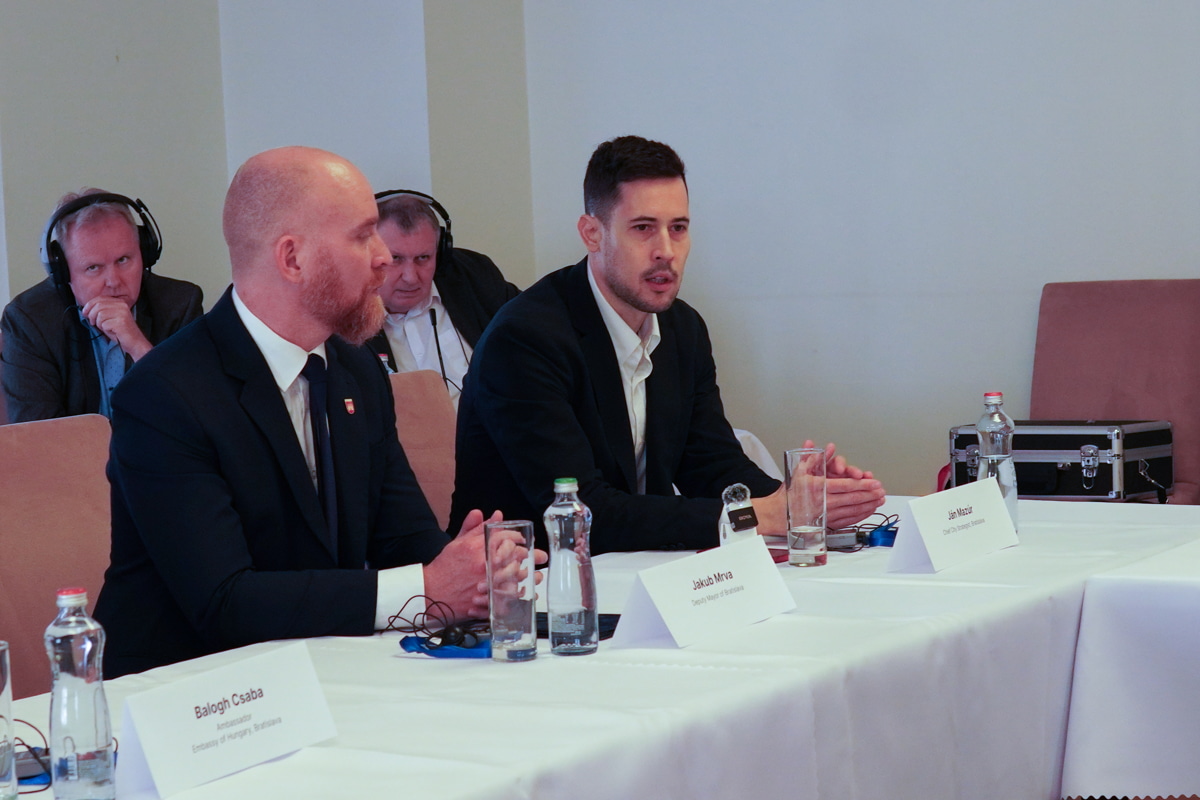
The participants of the workshops were greeted by Mr Jakub Mrva, Deputy Mayor of the City of Bratislava, Mr Csaba Balogh, Ambassador of Hungary to Bratislava, Mr Ján Mazúr, Chief Strategist of the City of Bratislava and Mr Ferenc Ivanics, Vice Chair of the Győr-Moson-Sopron County Council, the partner organisation of the project.
After the introduction of the mayors representing six Hungarian municipalities, Ms Pavla Štefkovičová, coordinator of the baum_cityregion office managing cross-border cooperation between Bratislava and its Austrian vicinities presented the history, the way of operation, the structure and the results of the BAUM (Bratislava and Surroundings Spatial Management) initiative which started in 2011 as a stand-alone project but today it is at the verge of establishing a Working Community. The new organisation involving the City of Bratislava and two Austrian provinces (i.e. Burgenland and Lower Austria) can be a good model when designing the governance solution targeting the Hungarian suburbs of Bratislava where nearly 6000 Slovak citizens have been settled during the last 15 years (they already outnumber 7500 in Austria).
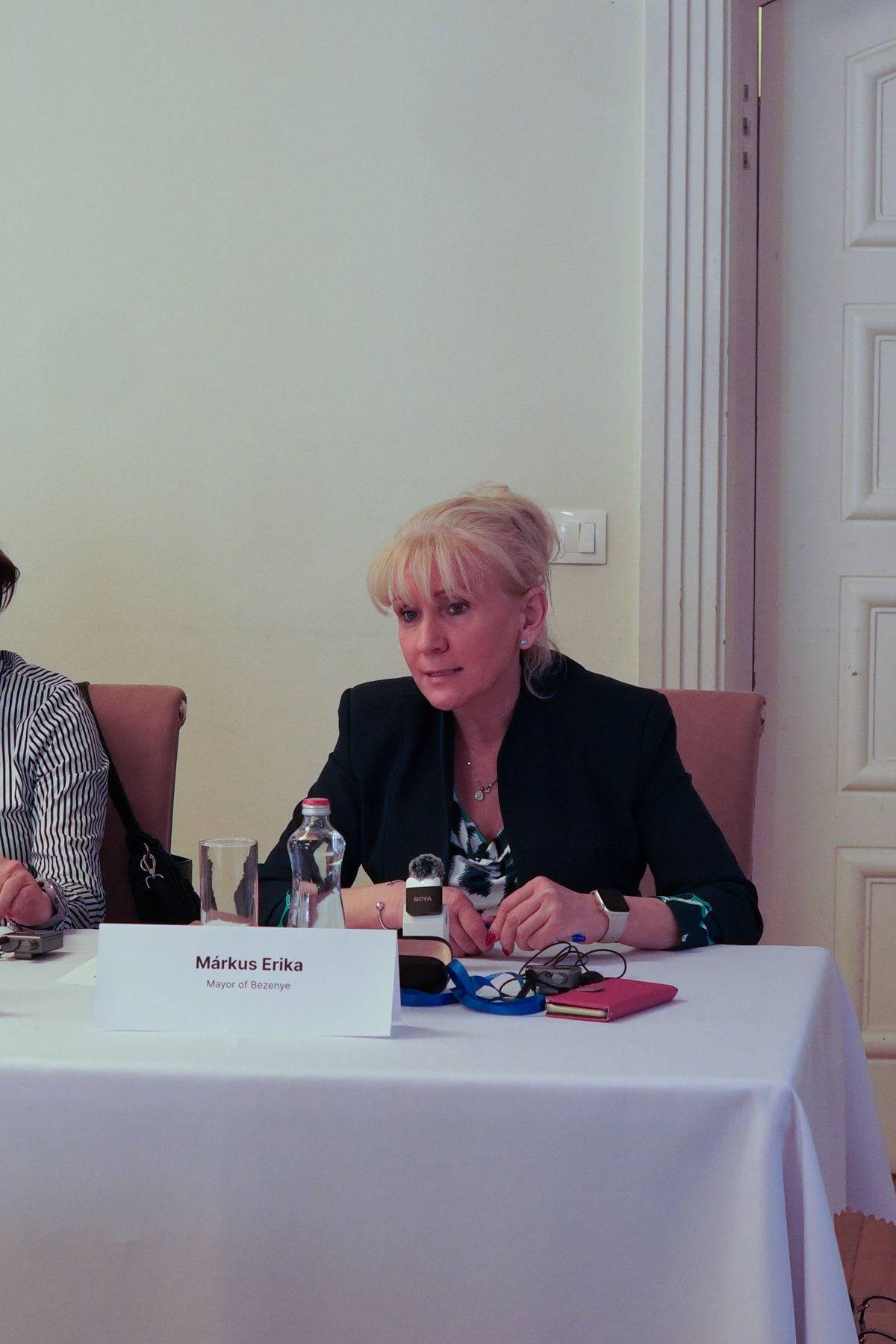
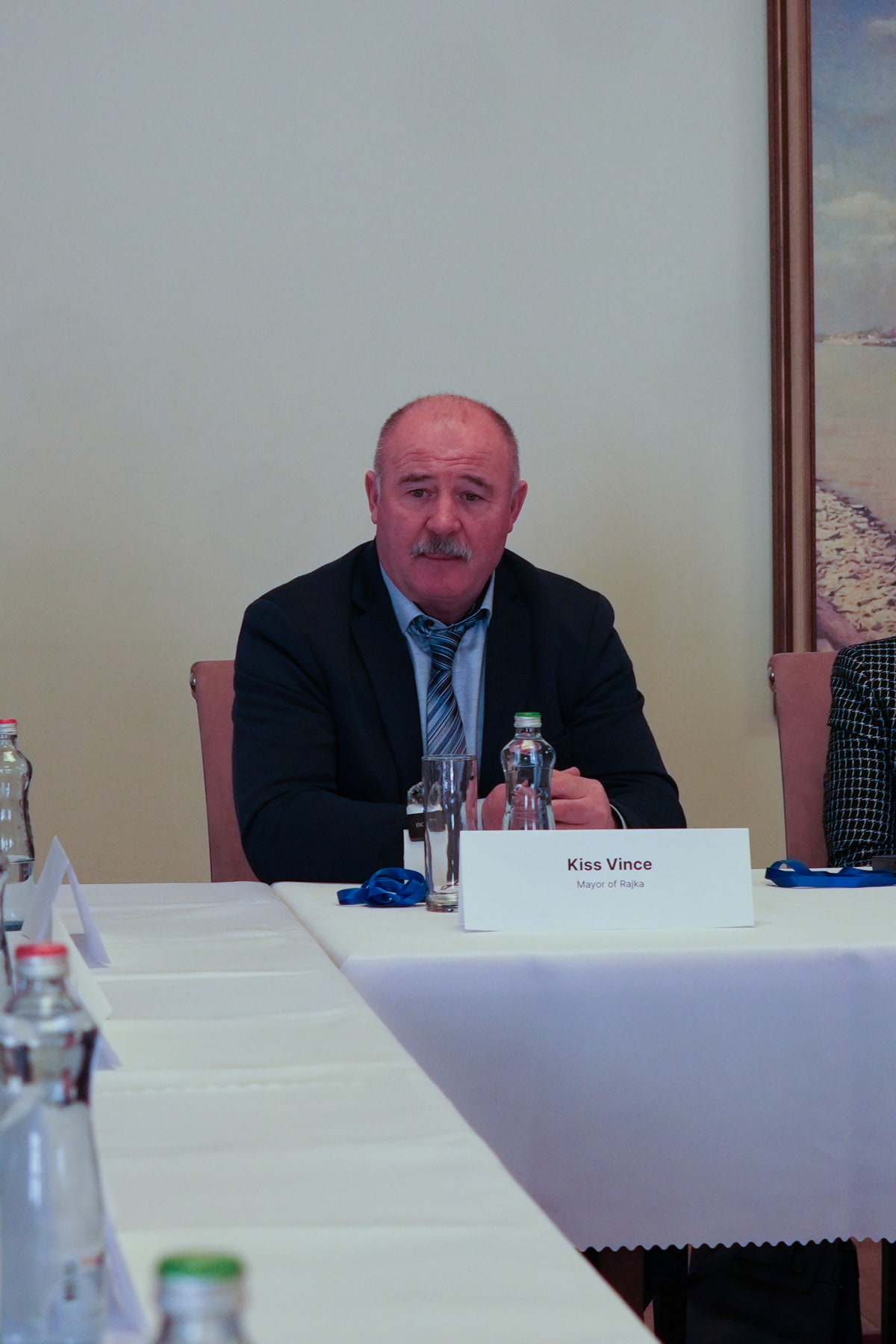
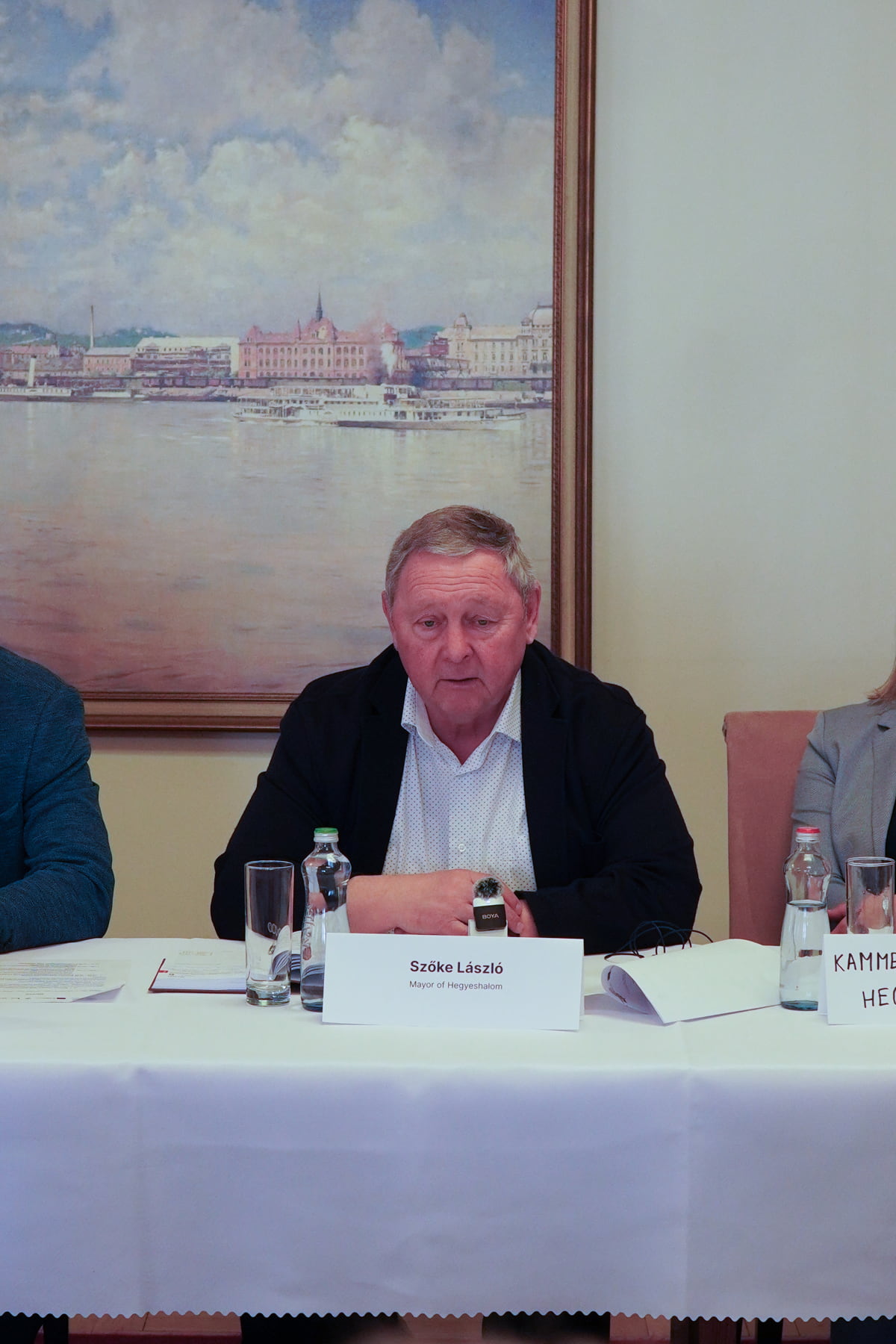
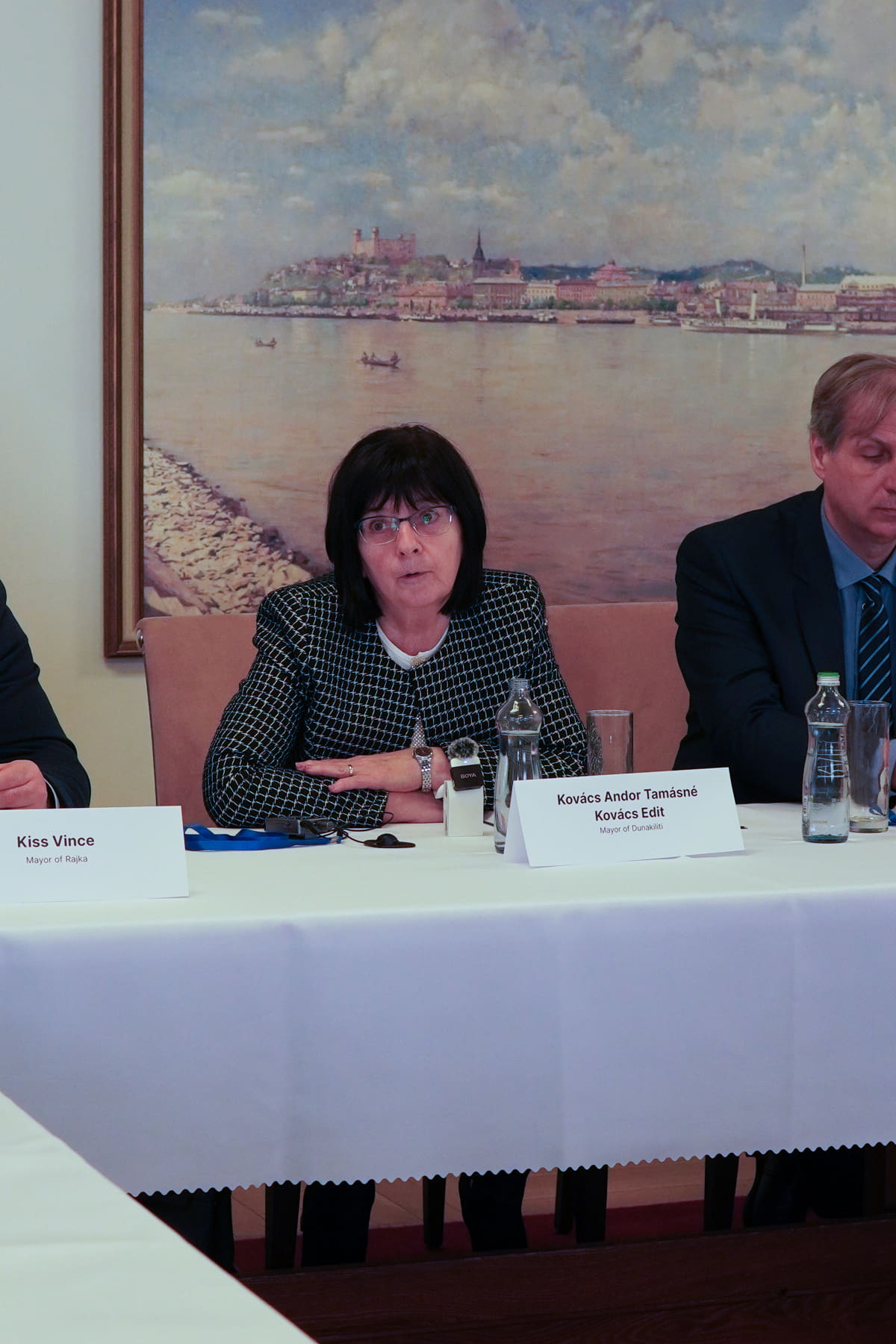
The project aims to deliver an action plan including two chapters: one on the governance solution for managing the cross-border functional area of Bratislava (including its Austrian and Hungarian partner municipalities); and another identifying the most important topics of cooperation. The mayors of the Hungarian municipalities (Mr Vince Kiss from Rajka, Mrs Andor Tamásné Kovács from Dunakiliti, Ms Erika Márkus from Bezenye, Mr Krisztián Mogyorósi from Feketeerdő, Mr Béla Husvéth from Dunasziget, and Mr László Szőke from Hegyeshalom) mentioned several challenges and problems they face due to the phenomenon of cross-border residential mobility. As they underlined, these problems cannot be tackled at the local or regional level as they require the involvement of the national authorities. At the same time, without a permanent platform of exchanges, the management of the cross-border agglomerating zone is unfeasible. During a lively debate, the Hungarian delegation had the opportunity to get a detailed overview of the Slovak-Austrian cooperation model which can be adapted to the Slovak-Hungarian context.
The project continues at the end of March with a meeting of the Hungarian and Austrian mayors affected the most by the suburbanisation phenomena of the City of Bratislava. The partners expect that the exchange of the mayors can advance the discussion on the topical and governance aspects of cross-border residential mobility within the region. It is a good sign that every stakeholder emphasised their willingness to cooperate.

The project is financially supported by the European Union,
within the framework of the Interreg Hungary – Slovakia Programme.
For more information visit www.skhu.eu.
The project is financially supported by the European Union,
within the framework of the Interreg Hungary – Slovakia Programme.
For more information visit www.skhu.eu.

 A successful workshop on cross-border health cooperation in Šahy within the...