First implementation meeting of “BRIDGEforEU”
21 April 2026


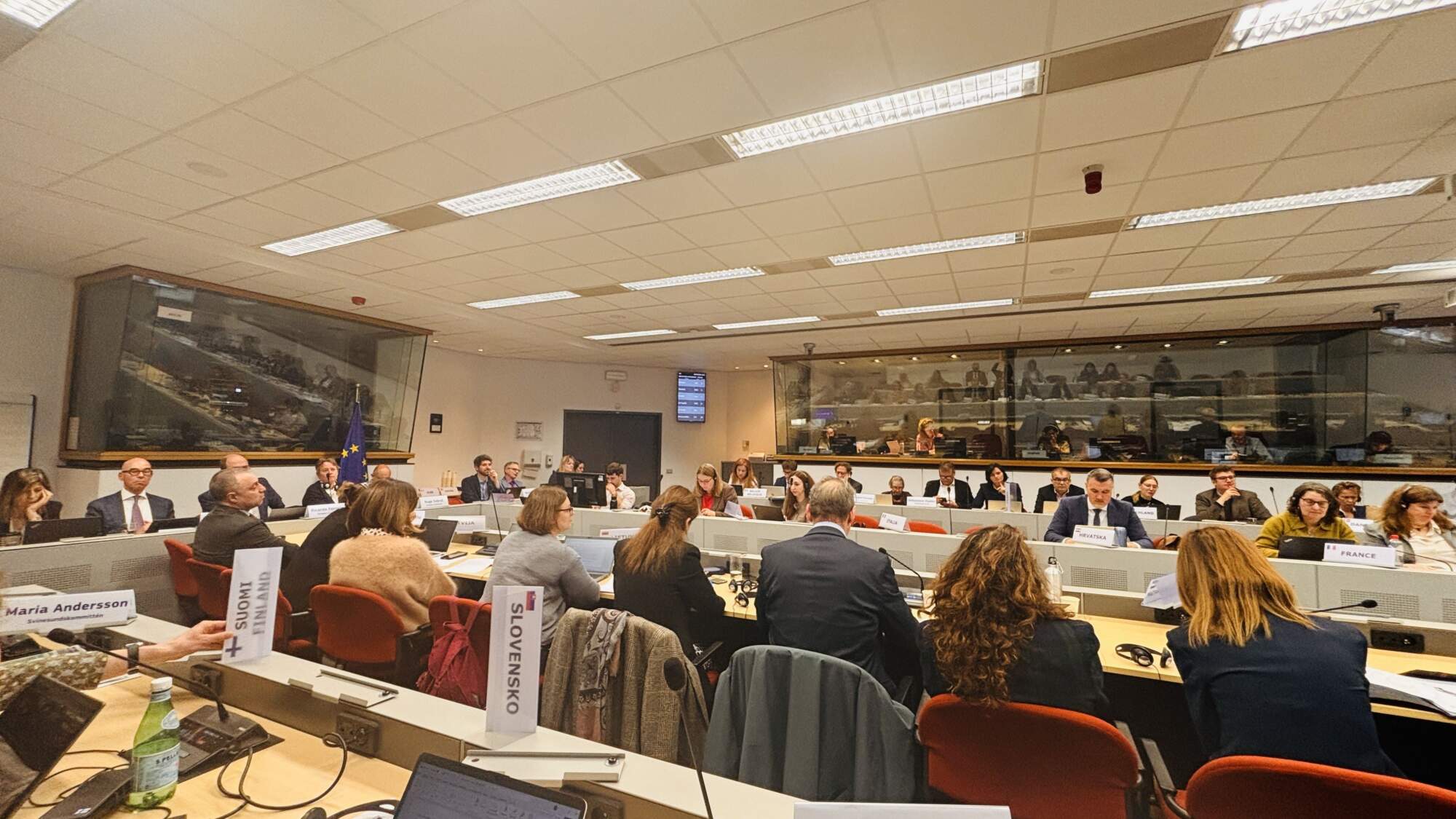
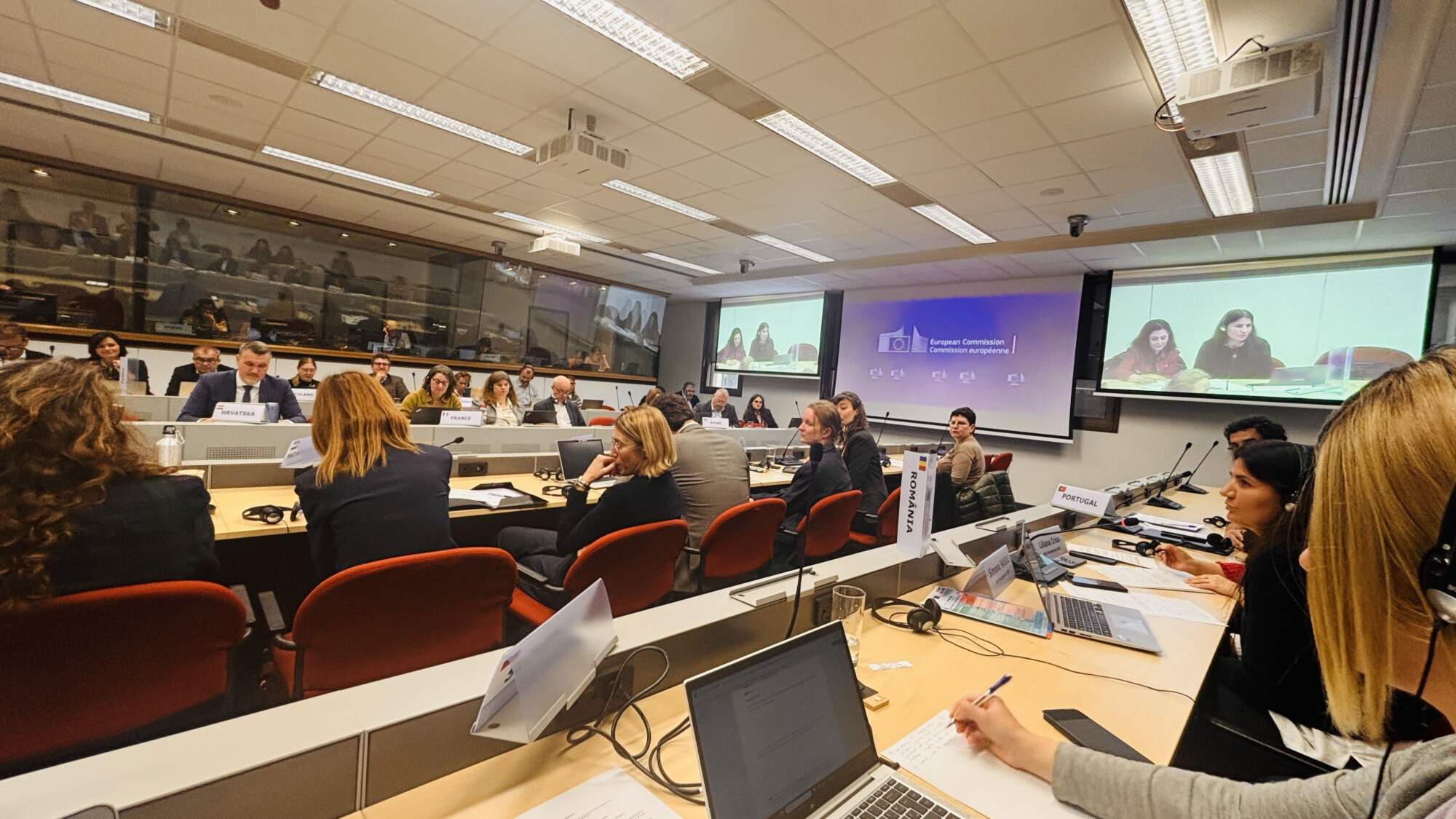
The first historic meeting of EU Member States on the implementation of the “BridgeforEU” Regulation took place on 16 April 2026 in Brussels. The motivation for the adoption of this Regulation was the removal of legal and administrative obstacles at the borders of the European Union countries. The Regulation introduces Cross-Border Coordination Points (CBCPs). These centers serve as a bridge between citizens and the government, taking suggestions to remove or mitigate barriers and sending them to the appropriate ministries for real-world resolution.
According to a study by the European Parliament, addressing cross-border obstacles within the EU would bring significant benefits for NUTS 3 border regions as well as for the Union’s economy as a whole. In particular, the increase in total gross value added resulting from addressing all legal and administrative barriers could reach up to EUR 457 billion per year, representing 3,8 % of the total gross value added of the Union in 2019.
After Hungary, which was the first EU country to officially establish the CBCP, other countries such as Austria, France, Greece, Italy, Lithuania, Luxembourg, Portugal and France are preparing to do so. The Hungarian model was presented by Mrs. Nikoletta Horváth from the Ministry of Foreign Affairs and Trade.
Slovakia, represented by Mr. Matúš Drotár (First Secretary of the Permanent Representation of the Slovak Republic to the EU), confirmed that MIRRI SR (Ministry of Investments, Regional Development and Informatization) will serve as the responsible “competent authority”.
Mr. Rudolf Bauer, Director of CESCI-Carpathia, presented the results and experience of the 3-year implementation of the #ACCESS project. It can be said that this initiative, aimed at promoting legal accessibility across the Slovak-Hungarian border, is a kind of “forerunner” of future CBCPs in the EU.

The project is financially supported by the European Union,
within the framework of the Interreg Hungary – Slovakia Programme.
For more information visit www.skhu.eu.
The project is financially supported by the European Union,
within the framework of the Interreg Hungary – Slovakia Programme.
For more information visit www.skhu.eu.
 Purchasing a Hungarian SIM card with a foreign address